Gallbladder stones, also known as gallstones, are a rising concern in modern times, often linked to sedentary lifestyles and poor eating habits. While modern medicine may suggest surgery as the only remedy, Ayurveda offers a more holistic perspective—tracing the root cause, balancing the body’s energies, and promoting natural healing.
What are Gallbladder Stones according to Ayurveda?
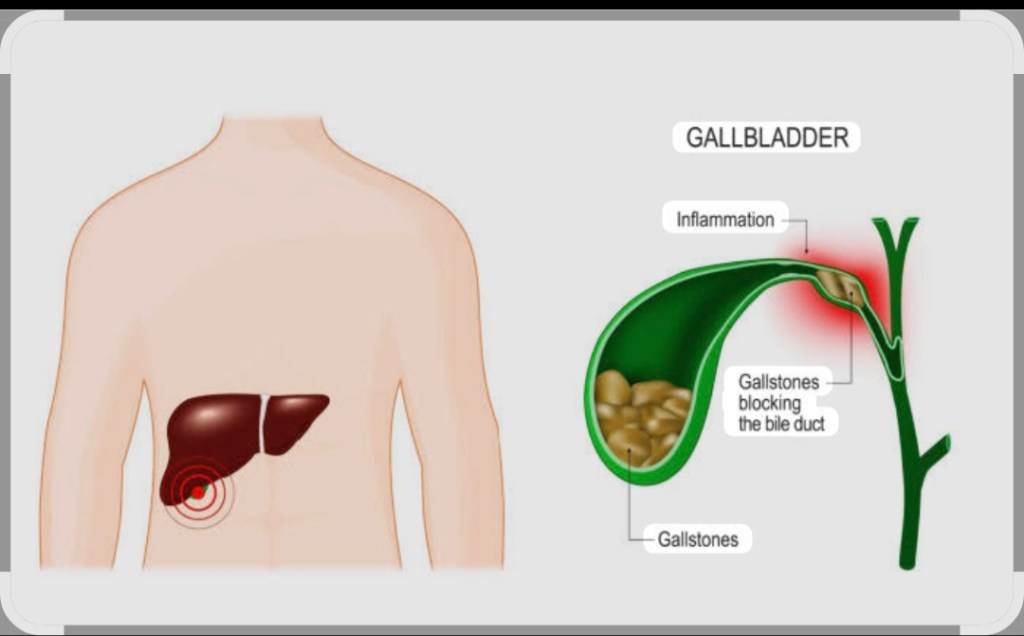
In Ayurveda, gallstones are referred to as “Pittashmari” (Pitta – bile; Ashmari – stone). These are crystalline formations in the gallbladder, arising due to an imbalance in the doshas, primarily Pitta dosha.
When Pitta becomes excessive due to improper diet, stress, and suppressed emotions, it causes the bile to become concentrated and stagnant, eventually leading to the formation of stones.
Which Organ is Responsible?
While the gallbladder is where the stones are found, Ayurveda sees the liver (Yakrit) as the root organ responsible. Here’s why:
• The liver produces bile.
• The gallbladder stores and concentrates this bile.
• If the liver’s Pitta function is disturbed, bile becomes vitiated.
• This aggravated Pitta dosha leads to Ama (toxins) accumulation and bile thickening, causing crystallization and stone formation.
Breaking the Myths
Myth 1: Gallstones are only caused by fatty foods.
Ayurvedic View: Stones form due to Pitta imbalance—caused by stress, anger, suppressed emotions, spicy foods, fried items, alcohol, or long gaps between meals.
Myth 2: Surgery is the only option.
Ayurvedic View: Surgery may remove the gallbladder, but doesn’t address the doshic root. Ayurveda offers natural detoxification, digestion correction, and lifestyle realignment.
Myth 3: Gallstones form suddenly.
Ayurvedic View: It’s a gradual accumulation of toxins and imbalanced bile over years of dietary and lifestyle neglect.
Ayurvedic Line of Treatment
A customised and integrative approach to heal from within is best adopted.
1. Dosha Assessment
• Understand whether Pitta, Kapha, or Vata imbalance is dominant.
• Pitta-Kapha combination is most commonly involved in gallstone cases.
2. Herbal Support
• Punarnava – for detoxification
• Kalmegh – liver cleanser
• Triphala – regulates digestion and clears Ama
• Bhumiamalaki – supports liver and gallbladder function
• Kutki – balances aggravated Pitta
Caution: Herbal formulations should always be taken under an Ayurvedic practitioner’s guidance.
3. Panchakarma Therapies
• Virechana (Purgation): To cleanse the liver and gallbladder.
• Basti (Enema): For overall detox and removal of Ama.
• Abhyanga (Therapeutic oil massage): To balance doshas and improve circulation.
4. Dietary Tweaks
• Avoid fried, spicy, and fermented foods.
• Include bitter and astringent tastes (leafy greens, turmeric, coriander).
• Maintain regular meal times and avoid long gaps between meals.
🧘♀️ Emotional & Karmic Connection
5. Lifestyle Practices
• Daily yoga & pranayama for liver stimulation and stress relief.
• Avoid sun and excessive heat exposure.
• Regular detox routines and seasonal cleanses.
Ayurveda believes the liver stores suppressed anger and resentment. Holding on to bitterness can lead to bile stagnation.
Gallstones are not just a physical ailment—they are a sign that your body is out of balance.
Instead of removing the organ, restore harmony with nature. With the ancient wisdom of Ayurveda, you can reverse the cause, not just the symptom.
Ayurveda views gallstones, known as Pittashaya Ashmari or Pittashmari, as resulting from imbalances in Pitta and Kapha doshas, often involving excess bile stagnation and toxin buildup in the gallbladder. Treatments focus on dissolving stones, balancing doshas, improving digestion, and detoxifying the liver through herbs, therapies, diet, and lifestyle changes. These approaches aim for natural relief without surgery, though professional consultation is essential.Key herbs and formulations of common Ayurvedic remedies include Arogyavardhini Vati for liver detoxification and cholesterol reduction, Katuki (Picrorhiza kurroa) to stimulate bile flow, and Guggulu to enhance metabolism.
Other options like Gokshura Churna act as diuretics to expel toxins, while Hazrulayahuda Bhasma supports stone dissolution and reduces inflammation.
Turmeric and Berberis aristata (Daruharidra) help unblock bile ducts and dissolve cholesterol-based stones over time.
Therapeutic Procedures & Panchakarma therapies such as Virechana (therapeutic purgation) cleanse Pitta from the liver and gallbladder, while Kizhi (hot fomentation) reduces pain and spasms.
Liver flushes with olive oil, lemon juice, and herbs may expel small stones, and external hot packs improve circulation.
These are tailored to individual dosha imbalances for optimal results.
Dietary Recommendations favor Pitta-pacifying foods like bitter greens, barley, and pomegranate to reduce bile acidity and prevent more stone formation.
Avoid fatty, spicy, or heavy foods that aggravate Kapha and Pitta, and incorporate horse gram (kulattha) soups for lubrication and stone breakdown.
Stay hydrated and eat smaller, frequent meals to support digestion.
 Take A Deep Breath