Gallbladder stones, also known as gallstones, are a rising concern in modern times, often linked to sedentary lifestyles and poor eating habits. While modern medicine may suggest surgery as the only remedy, Ayurveda offers a more holistic perspective—tracing the root cause, balancing the body’s energies, and promoting natural healing.
What are Gallbladder Stones according to Ayurveda? In Ayurveda, gallstones are referred to as “Pittashmari” (Pitta – bile; Ashmari – stone). These are crystalline formations in the gallbladder, arising due to an imbalance in the doshas, primarily Pitta dosha. When Pitta becomes excessive due to improper diet, stress, and suppressed emotions, it causes the bile to become concentrated and stagnant, eventually leading to the formation of stones.
Which Organ is Responsible? While the gallbladder is where the stones are found, Ayurveda sees the liver (Yakrit) as the root organ responsible. Here’s why: • The liver produces bile. • The gallbladder stores and concentrates this bile. • If the liver’s Pitta function is disturbed, bile becomes vitiated. • This aggravated Pitta dosha leads to Ama (toxins) accumulation and bile thickening, causing crystallization and stone formation.
Breaking the Myths Myth 1: Gallstones are only caused by fatty foods. Ayurvedic View: Stones form due to Pitta imbalance—caused by stress, anger, suppressed emotions, spicy foods, fried items, alcohol, or long gaps between meals. Myth 2: Surgery is the only option. Ayurvedic View: Surgery may remove the gallbladder, but doesn’t address the doshic root. Ayurveda offers natural detoxification, digestion correction, and lifestyle realignment. Myth 3: Gallstones form suddenly. Ayurvedic View: It’s a gradual accumulation of toxins and imbalanced bile over years of dietary and lifestyle neglect.
Ayurvedic Line of Treatment A customised and integrative approach to heal from within is best adopted. 1. Dosha Assessment • Understand whether Pitta, Kapha, or Vata imbalance is dominant. • Pitta-Kapha combination is most commonly involved in gallstone cases. 2. Herbal Support • Punarnava – for detoxification • Kalmegh – liver cleanser • Triphala – regulates digestion and clears Ama • Bhumiamalaki – supports liver and gallbladder function • Kutki – balances aggravated Pitta Caution: Herbal formulations should always be taken under an Ayurvedic practitioner’s guidance. 3. Panchakarma Therapies • Virechana (Purgation): To cleanse the liver and gallbladder. • Basti (Enema): For overall detox and removal of Ama. • Abhyanga (Therapeutic oil massage): To balance doshas and improve circulation. 4. Dietary Tweaks • Avoid fried, spicy, and fermented foods. • Include bitter and astringent tastes (leafy greens, turmeric, coriander). • Maintain regular meal times and avoid long gaps between meals. 🧘♀️ Emotional & Karmic Connection
5. Lifestyle Practices • Daily yoga & pranayama for liver stimulation and stress relief. • Avoid sun and excessive heat exposure. • Regular detox routines and seasonal cleanses.
Ayurveda believes the liver stores suppressed anger and resentment. Holding on to bitterness can lead to bile stagnation.
Gallstones are not just a physical ailment—they are a sign that your body is out of balance. Instead of removing the organ, restore harmony with nature. With the ancient wisdom of Ayurveda, you can reverse the cause, not just the symptom. Ayurveda views gallstones, known as Pittashaya Ashmari or Pittashmari, as resulting from imbalances in Pitta and Kapha doshas, often involving excess bile stagnation and toxin buildup in the gallbladder. Treatments focus on dissolving stones, balancing doshas, improving digestion, and detoxifying the liver through herbs, therapies, diet, and lifestyle changes. These approaches aim for natural relief without surgery, though professional consultation is essential.Key herbs and formulations of common Ayurvedic remedies include Arogyavardhini Vati for liver detoxification and cholesterol reduction, Katuki (Picrorhiza kurroa) to stimulate bile flow, and Guggulu to enhance metabolism. Other options like Gokshura Churna act as diuretics to expel toxins, while Hazrulayahuda Bhasma supports stone dissolution and reduces inflammation. Turmeric and Berberis aristata (Daruharidra) help unblock bile ducts and dissolve cholesterol-based stones over time. Therapeutic Procedures & Panchakarma therapies such as Virechana (therapeutic purgation) cleanse Pitta from the liver and gallbladder, while Kizhi (hot fomentation) reduces pain and spasms.
Liver flushes with olive oil, lemon juice, and herbs may expel small stones, and external hot packs improve circulation. These are tailored to individual dosha imbalances for optimal results.
Dietary Recommendations favor Pitta-pacifying foods like bitter greens, barley, and pomegranate to reduce bile acidity and prevent more stone formation. Avoid fatty, spicy, or heavy foods that aggravate Kapha and Pitta, and incorporate horse gram (kulattha) soups for lubrication and stone breakdown. Stay hydrated and eat smaller, frequent meals to support digestion.
One of the jewels in the crown of Ayurveda is Dina Carya; a set of daily routines that individuals may practice to support overall health, vitality and connection to nature’s rhythms.
The ancient system of healing and longevity, Ayurveda, understands that irregularity and disconnection from nature’s rhythms in one’s lifestyle contribute to the manifestation of imbalance and disease in the body tissues as well as the mind.
Dinacarya can be used as a therapeutic tool to maintain a state of health and well-being and redirect the body towards balance when finding ourselves in a state of dis-ease.
In Vagbhata’s Ashtanga Hrdayam, the rules of dinacarya are accompanied by a promise that the individual who follows these directives will “surely attain long life, health, wealth, reputation and the eternal world.” a quote which attests to not only the physical but spiritual benefits of these daily rituals; stable health being the necessary foundation for all kinds of spiritual practice.
Many of the specific Dinacarya practices mentioned in the classical texts of Ayurveda focus on the beginning and end of the day.
🌞 Waking up before sunrise: This auspicious time, known as ‘Brahma Muhurta’ or the creator’s hours, unfolds naturally elevated vibrations and spiritual energy, and helps set us up for greater energy levels throughout the day. Vata people who need additional rest can wake up at 6am, Pitta at 530am and Kapha at 430am.
🌞 Splashing cool water on the face and eyes: Helps us to gently wake up and cleanse our senses from the heavy energy of sleep. Rose water is a beautiful tri-doshic face spritz that can be used to impart freshness, cool and tone the skin.
🌞 Scraping the tongue: Before brushing the teeth, scraping the coating off the tongue helps to remove toxins from the oral cavity and GI tract, as well as stimulating the digestive organs and kindle appetite. Copper, silver and stainless steel scrapers are available. Copper is great for Vata and Kapha, Silver for Pitta and stainless steel is Tridoshic.
🌞 Evacuating: Squat on the toilet to help induce a bowel movement that clears your GI tract from yesterday’s waste and toxins. If you struggle to eliminate daily or in the morning, consider using herbal aids such as Triphala or consulting with an Ayurvedic Health Counsellor or practitioner.
🌞 Practicing Pranayama, Asana and/or Meditation: Even a small amount of time spent in yogic movement, breathwork or sitting in meditation has the power to transform our day for the better. Early morning is a great time to practice since the atmospheric Prana is higher than at other times of day. Face East and practice sun salutations to greet the rising sun for an inspired day.
🌞 Drinking a cup of warm water: Helps to flush the toxins and wastes and re-hydrate the GI tract after the night.
🌜 Practicing sleep hygiene: Dimming the lights after sunset, limiting screen time, loud music or noise, including stimulating conversations and eating dinner at least 3 hours before bedtime. Going to sleep before 10pm will help harness the natural sleep-supportive energy of Kapha dosha that is prevalent at this time.
🌜 Reflecting on your day: The Asthanga Hrdayam says that whoever thinks on their day and adopts the right way shall never know fear or sorrow. Journalling, meditation or practicing gratitude at the end of the day can be a powerful tool to help digest the impressions of the day and ensure we do not carry over into our sleep and next day.
🌜 Rubbing oil on the soles of the feet and crown of the head: Oil is generally grounding and herbalised oils like Bhringaraj and Brahmi oil can help support a calm mind and healthy sleep. Rub 1 tsp of warmed oil into the soles of feet and 1 tsp on the crown of the head and scalp. You may want to wear old cotton socks or cover your pillowcase with a towel to protect the linens from oil stains.
These practices can tend to be lengthy or elaborate if we try to do all of them at once! Start simple and achievable; maybe choose one morning practice to incorporate, and one evening practice and build your Dinacarya from there. Good luck!
A Big thank you to Beatrice Voss , Faculty & Graduate of The Ayurvedic Institute
Psoriasis is an auto-immune ailment that is increasing at a tremendous rate. Psoriasis can occur to anyone irrespective of age and gender. The disease results in discomfort both physically and psychologically, because stress and anxiety always come along with this disease.
What is Psoriasis?
Psoriasis is a skin disorder that makes our skin itchy, red, patchy, cracked and inflamed. Silver-colored plaque starts to occur and sometimes the skin also starts to bleed.
The disease is known as “Kitibha” in Ayurveda and the main reason for the occurrence of this ailment is an imbalance of Vata Dosha and Kapha Dosha in our body.
The conditions could be worse if timely medical action is not taken, which is to say opt for Psoriasis Ayurvedic Treatment. What leads to Psoriasis?
There could be a number of reasons for the development of this disorder, but the major causes of psoriasis are:
Poor or Unhealthy Diet
The context- “you are what you eat” is fully supported by Ayurveda. If one consumes junk, stale, or processed food very often, then they are more prone to be a patient of psoriasis. The consumption of such unhealthy foods results in the accumulation of toxins inside your body, which if remain inside the body for extended periods can result in various skin and digestive diseases.
Using Chemical-Based Products
If you often use products that contain a lot of chemical ingredients for beauty purposes or otherwise, then you are getting steps closer to skin disorders. These chemicals-containing products block the skin pores as a result sweat does not pass throughout the body leading to dry, cracked, or irritated skin.
Poor-Immune System
As already discussed, Psoriasis is an auto-immune ailment where the immune blood cells instead of fighting foreign substances start attacking healthy skin cells. Thus, people with a weak immune system are at higher risk of developing these types of auto-immune diseases.
Excessive Stress
One of the root cause factors of several diseases and health concerns is excessive stress. Your mind and body share a direct connectivity and can affect each other interchangeably. It has been seen that distress and hypertension can also trigger flares of psoriasis to a great extent.
Environmental Factors
Environmental agents are also responsible for the occurrence of this skin disorder. The humid environment, dirty, or sweaty clothes and lack of hygiene can contribute to the complications of psoriasis significantly.
Hormonal Imbalance
Last but not least, it is a hormonal imbalance in the body. At the time of puberty, peri-menopause, menopause, especially in women psoriasis can occur due to hormonal fluctuations. High levels of estrogen cause skin cells to rebuild very fast, especially after the first period.
How can you identify that you are diagnosed with this disorder?
The symptoms of psoriasis can vary from person to person depending upon the type of psoriasis they are suffering from. But the most common symptoms are:
Plaques and scaly skin.
Rashes on the skin.
Itchiness and redness.
Light black, brown or white patches on the skin.
Burning sensation.
Dry or cracked skin.
Anxiety & discomfort.
Pain and inflammation in the joints.
If you are experiencing any of the following symptoms then it is suggested to seek medical help to prevent yourself from serious complications.
There are a number of ways to deal with psoriasis. But Ayurvedic treatment for Psoriasis has been considered the most effective way among all of them.
Ayurvedic Treatment for Psoriasis
Ayurveda is a holistic branch of healing that includes the use of natural substances. Panchakarma therapy, Herbs, Dietary & Lifestyle modification, Yoga, and Meditation are considered some magical ways that provide relief from various ailments.
How Ayurveda is beneficial in Psoriasis?
Ayurveda is very beneficial for balancing these Doshas thus helping in treating Psoriasis. It aims to provide permanent relief to the patient rather than just hiding the patches and reducing the pain for a limited period. Therefore, one should always seek an Ayurvedic doctor for healthy and disease-free skin.
Ayurvedic Remedies for Psoriasis Treatment include:
The effective remedies to heal psoriasis are:
1. Haridra (Curcuma)
It is commonly known as haldi or turmeric. Haridra is an effective herb that contains high powers to treat psoriasis, skin disorders as well as several other diseases. Its tika rasa and laghu ruksha qualities help in detoxification. It is anti-inflammatory and anti-biotic in nature thus reducing the raging of Kitibha or Psoriasis.
2. Lasuna (Allium sativum)
Garlic or Lasuna is considered the destroyer of diseases. It is very rich in antioxidants and healing properties. It improves the condition of the skin while preventing infections.
However, garlic is easy to find and use as it is commonly used in every household. For psoriasis, you can chew raw garlic pieces, make garlic tea or add garlic paste to your daily meals.
3. Guduchi (Tinospora cordifolia)
Guduchi is also recognized as Giloy. It brings harmony between the Pitta Dosha, Vata Dosha, and Kapha Dosha. The skin is moisturized, nourished, and smoothed with the consumption of this herb. It boosts the immunity of the skin and provides protection against toxin substances, thus reducing the chances of skin disorders.
4. Nimba (Azadirachta indica)
Nimba or Neem is one of the incredible herbs for treating skin disorders like eczema, psoriasis, fungal infections, etc. It eases the redness and inflammation caused on the skin as it contains Ropan (healing) & Kshaya (Astringent) properties.
One can apply Neem oil to the affected skin area or can take neem-based water baths.
5. Aloe vera (Aloe barbadensis miller)
Aloe vera is mainly known for beauty-related uses as it is a wonderful rejuvenating herb. In addition to this, it has several health-related benefits. The nature of Aloe vera is antioxidant, anti-inflammation, and antihyperlipidemic.
To prevent Psoriasis the gel of aloe vera can be applied to the skin directly. It will surely help to reduce the flaring up of patches and swelling caused.
Do’s For Preventing Psoriasis
1. Mind your Diet
The diet has a direct connection with your body and mind. Ayurveda advises you to eat healthy and fresh. You should take foods like broccoli, cauliflower, brussels sprouts, kale, spinach, arugula, berries, grapes and green leafy vegetables in adequate quantities to prevent psoriasis.
2. Keep your Skin Moisturised
For preventing skin disorders it is necessary to keep your skin moisturized enough. Use herb-based moisturizers on your skin rather than chemical-based ones. Coconut oil, black seeds oil, Lavender oil and Castor oil act as natural moisturizers that protect the skin.
3. Do Yoga & Meditation
One can do yoga and meditation to relieve the stress and tension accompanied by disorders. Doing Pranayama helps to reduce the psychological discomfort as well as symptoms of psoriasis.
4. Maintain Hygiene
Take a bath daily with Lukewarm water.
Wash your hands properly with natural soaps in which Ayurvedic oil, charcoal, and herbs are used as the main ingredients.
Put Epsom salt in lukewarm water for washing your skin.
These modifications will surely help you to cope with this ailment.
Don’ts For Psoriasis
1. Do not eat foods that flare up Psoriasis
Certain foods that could trigger psoriasis. You may be wondering that even Wheat can also lead to high levels of psoriasis because it contains gluten which is a primary trigger of auto-immune disorders i.e:- Psoriasis. In addition to wheat, the consumption of eggs, meat, seafood, processed food, and junk food should be avoided entirely.
2. Do not smoke or drink alcohol
Do not smoke cigarettes or drink alcohol as it makes you more prone to get infections. Because it has been witnessed that such disorders are found more in addicts.
3. Do not consume Dairy products
Dairy products can also contribute to your psoriasis. Dairy products like milk, cheese, yogurt, butter, cream, and milk-based sweets can also act as the causative factor for developing this ailment.
Clarified butter (desi ghee of cow) is a dairy product that is helpful in psoriasis treatment as it eliminates the body’s waste products.
4. Do not use chemical-based products
There are a number of products in which various chemicals are used. These chemicals are harsh on the skin and can cause rashes, redness, and infection, eventually leading to psoriasis.
Applying these creams blocks the pores of the skin thus restricting sweat elimination.
You can also read about Psoriasis Ayurvedic Treatment & How Does It Work?
Conclusion
The conclusion of all points states that psoriasis is really a physically and psychologically discomforting skin disorder. Ayurveda is the best approach to healing this disorder.
Consult an Ayurvedic doctor for any type of skin disorder whether it is psoriasis, eczema or fungal infection. The Ayurvedic online consultation facility is also available for people with hectic schedules.
I was recently encouraged by my Ayurvedic guru Avanti Kumar Singh MD; a Western GP who has gone back to her roots of Ayurveda after recognising many inadequacies of Western pharma dependant practices, where treating the presenting symptoms only with medication over the root cause and not the addressing the individual human imbalances that lead to disease,are favoured during a ‘churn-em-up and chick-em-out’, 10 minute time slot. In her book The Health Catalyst she uses her trademark `The Counterbalance Solution’, to identify a potential symptom of imbalance to heal oneself, using the three categories of physical,mental or emotional symptom. Then to dig down and identify the qualities of the chosen agitator. This lead me onto another path of exploring mental and emotional qualities according to Ayurveda which is a whole new area to me-who new? Established Sage Ayurvedic practitioners I’m guessing! In my exploration, I came across a straight forward paper written by Prof. Subhash Ranade and Prof. Norbert Lotz that I have rejigged for this very purpose..I hope you have as much fun reading this as I did!
Mental and Emotional Wellness 1,2&3!
Mental and Emotional Wellness – Part 1
First let us take a look at the Ayurvedic concept of Mind.
Manas in Sanskrit, means to think, believe, imagine, suppose. It is the internal organ for perception. Atma (Soul), mind, sense organs and their Objects give the knowledge.
Atman (Soul) is the basis of all experience, while Manas (mind) is the instrument of experience. According to Ayurveda, it is atomic and eternal. Simply put, Atman is the consciousness, spirit, soul, self, the source of life and the cosmic power behind the body-mind complex. Just as our body exists in space, similarly our thoughts, intellect, emotions, and psyche exist in Atma, the space of consciousness.
Functions of Mind are broken down into the following: – Chintya (Thinking) – Thinking of what to do and what not to do etc. Vicharya (Analysis) – Analysis of the subject. If we do it, will it be beneficial or not. Uhya (Speculation) – Speculation and find out probabilities Dhyeya (Aim/Goal) – Goal setting. – Objective. Sankalp (Decision ) – of doing various activities to achieve a goal- Determination.
Qualities of Mind are broken down into the following: –
These are super qualities responsible for the creation of the Universe and Man plus the development of the mind also. Sattva – Sat / mind, reality, truth, light, intelligence. Rajas – Raja / stain, smoke, distraction, turbulence and mind agitated by desire. Tamas – Tama/ dullness, darkness, inability to perceive, heaviness, lethargy and mind clouded by ignorance and lack of mental activity.
The Psychological Constitution –
The predominance of the qualities below creates the psychological constitution of the individual. Sattva is considered a good quality and Rajas and Tamas create diseases when in excess.
Sattvic persons are health conscious by nature, Rajas persons have to be convinced and Tamas are ignorant about health.
Sattvic constitution A Sattvic person is intelligent, sensitive and understanding, ever seeking balance. He possesses a good intellect and memory and has an inherent instinct for cleanliness and purity.
Sattvic constitution and health – Although these persons have a great deal of knowledge, they always try to gain more. They have goodwill towards others and allow others to prosper. They are friendly and courteous, have faith in the Divine and devotion to what is good. Since these persons are health conscious, they follow all the rules and regulations of a good and healthy lifestyle. They have good immunity. They rarely become sick and even if some disease appears, it can be quickly recovered.
Rajasic Constitution
ARajasic person is active and aggressive, but agitated and restless. Rajasic types have a nature that tries to overpower others and have a brave but jealous and sometimes cruel character. They manifest a propulsive and dynamic energy that is ever-seeking and striving and which is never contented. Seldom satisfied with the positions and possessions they achieve, they are ever trying for more. They are ambitious and industrious in nature. Rajasic constitution and health – Although they do not follow health rules and regulations, if they are properly convinced, they immediately start following proper healthy routines. They tend to develop Pitta and Rakta (blood) diseases. Hence they should take proper precautions.
Tamasic Constitution Tamasic people are lazy and ignorant and do not make any real efforts to improve their condition in life. Similarly, they are not curious about things but hold to what they already know as final. Usually, they are less intelligent, prefer not to work and are interested mainly in eating and sleeping. They lack cleanliness and are not health conscious. Owing to their ignorance, they are afraid of many things and do not initiate any changes on their own. For this reason they are very difficult to treat. Tamasic constitution and health –
These people are ignorant about the health rules and they also do not want to learn them. Hence they suffer from Kapha and Meda diseases and are very difficult to treat as they have low immunity. They also suffer from various psychological disorders.
Mental and Emotional Wellness – Part 2
What is Emotion?
According to Modern Psychology, emotions are evaluative responses to environmental events that coordinate various physical and psychological sub-systems for the purpose of the best possible response. Emotions are required for our survival, communication, making decisions and happiness.
Emotions –Ayurvedic View – Thoughts create emotions. They are associated with mood, temperament, personality, disposition and motivation. These are the effects of an increase in rajas and tamas qualities of mind. They are created due to “failure of intelligence” (Pradnyaparadha) or volitional transgression which is the main cause of diseases.
Relationship between Physical Doshas / Psychological Doshas – Vata = Air + Ether = Rajas 3+ Sattva 2 + Tamas 1 Pitta = Fire + small water= Sattva 3 + Rajas 2 + Tamas 1 Kapha = Earth +Water = Tamas 3 + Sattva 2 + Rajas 1
Vata Emotions classification – Vata and Sattva – Joy, Surprise. Vata and Rajas – Hyperactivity, Nervousness, Fear, Anxiety. Vata and Tamas – Confusion, Lack of direction, Indecisiveness, Sadness, Suffering, Shame, Grief or sorrow, Neglect.
Pitta Emotions classification – Pitta and Sattva – Longing. Pitta and Rajas – Aggressive competitiveness. Intoxicating mood, lust, passion, disgust, infatuation. Pitta and Tamas – Anger, Rage, Hatred, Envy, Jealousy
Kapha Emotions classification – Kapha and Sattva – Love, Affection, Attraction, Compassion, Forgiveness. Kapha and Rajas – Attachment, Greed, Possessiveness. Kapha and Tamas – Confusion, Depression.
Positive and Negative Emotions –
It is really difficult to classify all the emotions according to their effect on the mind and body. Because the same emotion may have a different effect depending on the situation. However in general the following classification can be given –
Positive emotions are – interest, enthusiasm, laughter, empathy, action, curiosity.
Mental and Emotional Wellness – Part 3
General causes of all diseases –
All diseases originate in the consciousness. Pradnyaparadha or misuse of intellect – faulty intelligence, courage and memory. Wrong contact of sense organs (ears, skin,eyes,tongue,nose etc) with their objects – Absence of analysis of any subject can lead to depression, excessive analysis can lead to anxiety and improper analysis leads to improper behavior. Time – dosha aggravation. Withholding of physical urges and suppressing emotions.
Common causes for all psychological diseases –
Emotions are responsible for causing all psychological diseases and Ayurveda has classified common causes according to two main reasons –
Getting things that are undesired- Hatred, Anger and Depression.
Not getting things that are desired – Greed, Envy, Worry and Anxiety.
Pathogenesis flow chart of the psychological diseases –
Bhagvad Gita, the religious book of Sanatana Dharma has explained the following flow chart for the pathogenesis- Thinking of pleasure / Vishaya Attachment of objects with sense organs / Sanga Lust for pleasure by sensual objects / Kama Non-fulfillment of pleasure Anger/Krodha Delusion / Sammoha Vitiation in Recollection / Smruti vibhrama Damage of intelligence / Buddhinasha Destruction / Vinashyati.
How to treat Emotions –
By conscious efforts, all the emotions should be kept under control. One should observe negative emotions with detachment, allowing them to dissipate. For example, one is taught that when anger occurs, one should be completely aware of it, watch the feeling as it unfolds, learn the nature of the anger, then let it go, releasing it.
Examination of the patient – In order to treat the patient successfully, one must carefully examine the patient with the following view points-
Understanding Mind–Body relations and counseling is very important. Requires expertise, attention and application. The root cause is in the consciousness. To remove this, methods like meditation and Yoga practices are always useful along with Ayurvedic Therapies.
Controlling sense organs – In fact, this is the key for treating all emotions. Our sense organs are constantly focused on the outside world. To focus them inward is the best method of controlling them. Ayurveda and Yoga (Pratyahara) have stressed the importance of this to avoid diseases. Chitta vritti nirodha in Ayurveda refers to yoga tools, meaning the calming of the fluctuations of the mind. Pranayama or breathing exercises are helpful for this.
Treatment of emotional diseases – To treat all emotional problems the best way is to increase Sattva quality in Mind. This can be effectively done by Sattavajaya Therapy. Satvavajaya -Ayurvedic Psychotherapy (a nonpharmacological approach aimed at self-control of mind and restraining it from unwholesome objects or stressors) or by following methods to make the mind more calm and quiet and focused. These therapies mainly aim at withdrawing sense organs from their outside world and following Sadvritta or the Ethical code of conduct. These are simple rules to be observed while moving in society and at home – speaking the truth, giving honor to others, not stealing or inflicting verbal or physical harm etc. Daivavyapashraya /Divine or Spiritual therapy – In practice, it has been observed that many emotions have connections to bad deeds in the past. Hence some spiritual methods to reduce bad deeds in the past life, with the help of various rituals, wearing gems and colours as well as chanting mantras and the prayer to specific deities are used. Yuktivyapashraya/ Rational therapy – These are using appropriate foods, herbs and clinical therapies of opposite qualities for aggravated doshas. Use of proper food, herbs and other therapies like Pancha Karma. When emotions are too deep and strong like depression, medicated emesis or vamana (waste products or toxin elimination through the mouth) is very effective. For anxiety treatment, Shirodhara (oil or warm liquid poured onto the forehead) is extremely useful.
Herbal Therapy – For treatment purposes, emotions can also be classified as – 1. Excitement – extreme joy due to winning the lottery, anger, jealousy, lust, surprise. 2. Suppression – Depression, sadness, fear, anxiety. For treating emotions due to excitement – Specific herbs that produce a calm and quiet mind are used – Gotu kola / Brahmi (Bacopa monnieri), Jatamansi (Nardostachys jatamansi), Yashtimadhu (Glycyrrhiza glabra) Valerian (Valeriana wallichi), Sarpagandha (Rauwolfia serpentina), Manduka parni (Centella asiatica),
For treating emotions due to suppression- herbs that have a stimulating effect on the mind are used – Calamus / Vacha (Acorus calamus), Ashwagandha (Withania somnifera), Shankhapushpi (Convolvulus pluricaulis) Guduchi (Tinospora cordifolia)
Yep, it can be uncomfortable talking about anything below the belt but there is nothing to feel embarrassed about as these infections can happen to anyone irrespective of age, and gender as we all fall out of balance from time to time.
Ayurveda is considered the world’s oldest medical system. Where “Ayur” means life and “Veda” depicts knowledge. It is a holistic approach to healing that aims at curing the disorder from its roots, treating and restoring health by understanding the very cause of the diseases. Treatment of UTIs with Ayurveda through this scientific approach can help prevent and control infections from flaring up and indeed recurring.
Managing and treating urinary tract infections involves detoxification (flushing out of infection), and clearing blockages of the urinary tract through the incorporation of herbal medications along with expert suggested dietary and lifestyle changes for efficient and long-term recovery. For best and most effective results Ayurveda treatment has been proven to provide long-term relief from discomforting symptoms.
Let’s kick off with Cystitis…What is it? What are its causes and how to treat it.
Cystitis refers to infections of the lower urinary tract, more specifically the urinary bladder. There is of course something labeled `Honeymoon Cystitis’, which refers to an agitation of the bladder due to too much afternoon delight….this is different! Most cases however refer to the disease that occurs when a bacteria which was earlier living on the skin and bowel harmlessly, instantly enters the urethra and bladder. As soon as it enters it proliferates and fastens to the lining of the bladder causing extreme abdominal pain and discomfort, most often with additional symptoms of cloudy or smelly urine, and/or difficulty with intolerable pain while urinating. A general Urinary Tract Infection (UTI) however, is an infection that affects any part of the urinary system including the ureters, kidneys, bladder, and urethra. So the two infections differ slightly and require similar approaches but need to be identified to avoid complications. UTIs are usually caused by the same bacteria such as Escherichia.coli (E.coli) that enter the urinary tract through the urethra.
Cystitis/UTI is more common in women than men. The reason is that women have a shorter urethra that is closer to the anus. This biological structure favours bacteria to enter the body easily. In Ayurveda, this infection is known as “Mutrakrichcha”. Which is a combination of two energy imbalances…1.Vata (Air & Ether) the mind-body element responsible for movement, including processes like blood flow, elimination, breathing, and the movement of thoughts in your mind and 2. Pitta (Fire and Water) the energetic force that regulates the body’s transformative functions; digestion, metabolism, even the body’s hormones. This imbalance between the two energies is the primary factor leading to this type of health complication. So what contributes to these imbalances?
The prime contributing factors are:
Bacterial Infection-One of the most common reasons for most UTIs is bacterial infections. However, the invasion and proliferation of bacteria on the lining of the bladder is the main reason for cystitis. Bacteria can enter the body through the anus or urethra. Once inside it travels to the bladder causing inflammation and pain. In most cases, cystitis is caused by a bacteria named E-coli.
Other contributors to this condition are:
Constipation – Uncomfortable bowel movements can increase the chances of bladder infection in two ways i.e. the resistance of stool in the rectum and urine retention which together lead to a bladder infection. When a stool remains in the colon for a longer period it puts pressure on the bladder, resulting in abdominal pain. Additionally, it also supports bacterial growth that ultimately results in cystitis.
Menopause -During menopause the epithelium lining of the bladder gets affected when women reach a menopause. The lower part of the urinary tract is sensitive to estrogen i.e., a decline in the levels of this hormone favours the growth of “bad” bacteria thus increasing the chances of cystitis to occur.
Weak Immune System – A weak and ill-functioning immune system may account for a bladder infection. The immune system’s overactive response to urinary tract infection may increase the risk of developing cystitis.
Hygiene – Hygiene is a must for preventing all disorders. Not cleaning the genitals after urinating or using the same undergarments increases the risk of urinary tract infections. Flushable pH wet wipes are great to have in the hygiene armoury.
Holding the urge to Urinate – Timely elimination of waste materials is necessary in order to prevent these complications. Holding the urge to pee for extended periods creates an ideal condition for bacterial growth. Additionally, it can also increase the chances of renal-related issues.
Diabetes and kidney stones – Diabetes: Higher sugar levels in the blood and urine can favour the growth of bacterial infection.
Kidney stones: The kidney stones are passed out from the bladder and if a person experiences pain and a burning sensation while urinating it is a direct indication of bladder infection.
General Medical History – The risk of having cystitis is magnified, if someone is already suffering from diabetes, kidney stones, or related illnesses. The excess consumption of certain medications can make the bladder inflamed or irritated which could turn into cystitis in the long run.
Certain factors can increase the risk of developing a UTI in women, such as Inflammation: STIs (Sexually transmitted infections) can cause inflammation in the genital area, which can increase the risk of UTIs by making it easier for bacteria to enter the urinary tract. Use of specific birth control methods: Diaphragms and spermicidal agents can increase the risk of UTIs.
Symptoms of Cystitis
Frequent Urge to Urinate – If suffering from any urinary tract infection the person may experience pressure on the bladder and an urge to urinate more frequently.
Cloudy Urine – is characterised by milky colour urine instead of clear or transparent. It is generally harmless, but if it appears more repetitively then indicates a sign of a urinary tract infection.
Abdominal Pain – A person suffering from a bladder infection may experience pain in the lower abdomen and a burning sensation while urinating.
Blood in Urine – When an extreme amount of pressure is felt on the bladder. The walls of the bladder become irritated and inflamed. This leads to bleeding while passing urine.
Smelly Urine – Bacterial infection in the bladder can result in a strong fish-like smell in the urine.
Some of the most effective Ayurvedic Home Remedies for Cystitis:
There are a number of Ayurvedic home remedies for cystitis treatment that help the patient get rid of urinary tract infections naturally. Some of these remedies are as follows:
Ayurvedic Herbs come in powder or tablet form and it is always best to consult your Ayurvedic practitioner for guidance and an overview of the quality of the product.
Herbs being nature-derived hold immense power to cure several intolerable diseases. The use of these herbs has proven to be effective in this 5000-year-old root-based relief. Additionally, they do not cause any side effects. The best herbs for cystitis are:
Haldi: It is also known as the herb of healing. It is a potent anti-inflammatory agent that reduces the swelling of interstitial cystitis and ensures relief. Being rich in anti-bacterial properties, it also kills the bacteria inside the body.
Amla: Amla is loaded with vitamin C which makes it an effective remedy for treating cystitis. It aids in frequent urination, abdominal cramps, as well as other discomforting complications caused.
Gokshura: Gokshura is excellent at clearing bladder dysfunction. If consumed in an ideal quantity, it will tone & strengthen the bladder muscles and prevent frequent urination. Due to such healing nature, it is considered one of the best herbs for cystitis.
Varuna: Varuna is best for urinary tract infections. It aids in easing the complications of cystitis by increasing urine flow and reducing the burning sensation while urinating.
Punarnava: Aids in balancing the Vata and Pitta Dosha, the imbalance of those considered the prime cause of cystitis. It has a diuretic effect that aims at reducing the burning sensation by rejuvenating the body. In addition to cystitis, it is also helpful in treating kidney stones.
Water intake
Another easy home remedy that you can opt for is to drink plenty of water particularly warm water. It will support the smooth and proper elimination of waste products by increasing urine volume. The chances of cystitis become minimum as bacteria had already vanished throughout the urine.
Another effective home remedy that gives positive results is to drink daily coriander juice which helps nourish and heal the urinary tract by flushing out all the toxins.
Whilst modifying your diet to align with your Dosha type is best to keep diseases at bay, minimising the consumption of non-vegetarian food is also recommended in general as it gives a hike to bacterial growth. In addition to non-vegetarian food, the consumption of junk, processed, frozen, spicy, and highly acidic foods should also be avoided.
A Vitamin C-rich diet is great for Cystitis. C Rich Foods you can include in your Diet are: – Bananas, melons, blueberries, watermelons, mango, avocados, beetroots, mushrooms, spinach, cucumber, sweet potatoes, and broccoli are some bladder-friendly foods. The consumption of these fruits and vegetables will surely help you to attain relief.
Personal Hygiene – For keeping urinary tract infections at bay, hygiene management is a must. Maintain good hygiene by washing the area after urinating and keeping it clean and dry. Wipe from front to back (us girls know this yet somehow hovering over s public seat with our leotard wedged to the side…it all goes out the window! )Disposal pH-balanced wet wipes are great too. Also, change your undergarments daily. These habits will surely help to minimise bacterial growth.
Herbal Massage – Massaging the affected areas of inflammation and pain with herbal ointments like clove oil, lavender oil, cumin oil, or virgin coconut oil has been proven very beneficial. Ensure that these potent oils are diluted in a good carrier oil. The upside is that they will also nourish the skin.
The tools of Yoga and Meditation – the movement of Yoga (e.g. Cystitis centric poses include Bridge, Garland , Gomukhasana, Ardha Matsyendrasana & raised leg postures) Meditation is an effective remedy for cystitis too. Performing yoga helps strengthen pelvic floor muscles and reduces pain whilst Meditation improves the symptoms of interstitial cystitis by removing the mental discomfort and distress.
Things to avoid during a Cystitis episode:
• Do not hold the urge to urinate. • Do not consume spicy, junk, processed, oily & fried foods and non-vegetarian food. These foods favour bacterial growth. • Do not use chemical-based products like soaps, moisturisers, creams, etc, especially on your sensitive skin area. Substitute them with natural products like aloe vera gels, virgin coconut oil, or reetha soap. • Do not smoke or drink alcohol as they can trigger complications. • Do not use the same garments for extended periods. • Do not drink coffee, tea, or any other caffeine-based drink in excess. Instead, go for herbal teas or Kadha tea-(2 cups of water, 1 inch of peeled ginger, 4-5 cloves, 5-6 black peppercorns, 5-6 fresh basil leaves, ½ tsp honey and a 2 inch piece of cinnamon stick) • Minimise excessive stress.
Ayurvedic Treatment for Cystitis/UTIs through a qualified practitioner includes:
Panchakarma therapy is the principal procedure of Ayurvedic treatment which helps in detoxification and cleansing of the body system. Treatment for Cystitis and UTIs include:
Snehapana: Oral administration of medicated ghee.
Abhyanga: Whole body oil massage which helps refresh both physical and mental health. It additionally improves circulation and unblocks channels.
Swedana: The medicated steam bath that restores metabolism by flushing out accumulated body toxins.
Guidance on performing yoga asanas daily can help strengthen the pelvic region and urinary system which altogether effectively treat and manage the symptoms of cystitis. Other Ayurvedic Treatments for Cystitis along with herbal medications also involve certain dietary and lifestyle changes that aid in effective recovery from the disease symptoms. Having more fibre in the diet promotes a healthy bladder. Some of the tastiest choices include legumes, broccoli, bananas, and strawberries.
FAQ’sCystitis/UTIs:
How long can Cystitis last?Most of the time, cystitis gets cured on its own within a few days or a week. This type of cystitis is described as acute and does not require any specific medical treatment. But sometimes, the symptoms of cystitis won’t go away that easily. The complications of chronic cystitis can last for weeks and become recurrent. Strict medical action becomes necessary at this stage and Ayurvedic treatment has been considered the most effective way through which relief can be attained and maintained.
How long does general urinary pain last?
The duration of urinary pain can vary depending on the cause of the pain. Generally, if the urinary pain is caused by a urinary tract infection (UTI), it can last for several days to a week or more, depending on the severity of the infection and how quickly it is treated. If the pain is caused by a kidney stone, the pain may last until the stone passes through the urinary tract, which can take several days to a few weeks.
How do you stop getting Cystitis?To restrict the development of Cystitis, adopt Ayurvedic treatment consisting of herbal remedies, dietary precautions, hygiene management, yoga, and meditation.
Which bacteria commonly triggers bladder infection? The bacteria Escherichia coli (E. coli) mainly triggers urinary tract infections. But, there are certain other bacteria also which can cause urinary tract infections.
Can Stress cause bladder infection?Disturbed mental health can greatly impact overall health. A bladder infection can be triggered and flared if the mental and physical stability is not well maintained
What are the complications associated with a persistent bladder infection? There are several serious health complications associated with cystitis including hematuria, acute renal failure, bladder rupture, and pyelonephritis.
Does an unhealthy diet cause a bladder infection to flare up?
The diet plays a pivotal role in ensuring healthy and disease-free living. Therefore, Ayurvedic Treatment for Interstitial Cystitis mainly focuses on adopting a healthy diet choice along with herbal medications that aid in effective recovery. Foods that are suggested to be avoided are artificial sweeteners, spicy foods, caffeinated products, and acidic fruits as these substances can irritate the bladder and cause dehydration, which can exacerbate UTI symptoms.
Foods that are recommended to prevent cystitis must be rich in vitamin C, and calcium.
Can Cycling a bike cause Cystitis in women? The area closest to the saddle is an area that already contains a lot of bacteria, however, the extra warmth and sweat caused by cycling can increase the bacterial colonies if cyclists are not very careful. The friction caused by the saddle can also help to force these bacteria up the urethra and into the bladder.
How do female cyclists prevent UTIs? Lubricate: Use Vaseline or chamois cream to provide lubrication to the labia, groin, and inner thighs to prevent chaffing and saddle sores. Hydrate: Drink plenty of water and empty the bladder without delaying too much. As well as the obvious hydration benefits this will prevent urinary tract infections.
Is ginger good to prevent Cystitis?Yes, because ginger possesses antimicrobial properties which act powerfully against bacterial strains. It is Ayurveda’s suggested best herb to prevent bladder infection or cystitis.
Why is UTI pain worse at night? During the night, the body’s energy is focused on healing and repairing itself, which can cause increased inflammation and pain in the affected area. Additionally, when a person lies down at night, it can put pressure on the bladder and urinary tract, which can worsen the symptoms of a UTI.
What measures should be taken to prevent bladder infection recurrence?The preventive measures are all the above plus adding remedies into your daily diet from the table below:
Natural remedies
Method
How it works
1.
Coriander Seeds (Dhaniya)
1 teaspoon of Triphala powder or tablet can be consumed with lukewarm water at night after meals.
Coriander seeds are a natural diuretic that can help to flush out toxins from the urinary tract. It has anti-inflammatory and antimicrobial properties which help in reducing inflammation and pain. In addition, Coriander seeds are rich in antioxidants, which can help to boost the immune system and prevent infections.
2.
Triphala
Triphala is an ayurvedic herbal supplement that contains three fruits (Amalaki, Haritaki, and Bibhitaki) that have antioxidant and anti-inflammatory properties that can help reduce inflammation and fight off bacteria in the urinary tract.
Triphala is an ayurvedic herbal supplement that contains three fruits (Amalaki, Haritaki, and Bibhitaki) that have antioxidant and anti-inflammatory properties that can help to reduce inflammation and fight off bacteria in the urinary tract.
3.
Kutki (Picrorhiza kurroa)
Kutki has anti-inflammatory and antimicrobial properties that can help reduce inflammation in the urinary tract and fight bacterial infection. It also boosts your immune system, which can help your body fight off infections. This amazing herb protects your liver from damage due to certain medications used to treat UTIs.
Kutki has anti-inflammatory and antimicrobial properties that can help reduce inflammation in the urinary tract and fight bacterial infection.It also boosts your immune system, which can help your body fight off infections. This amazing herb protects your liver from damage due to certain medications used to treat UTIs.
4.
Amla (Indian gooseberry)
Drink Amla juice mixed with honey or an Amla tablet with lukewarm water to help fight UTIs.
It has Antibacterial, anti-inflammatory properties which can help to kill the bacteria responsible for causing UTIs reduce inflammation, and provide relief. It supports the immune system, which can help the body to fight off infections, including UTIs.It has diuretic properties, which can help increase urine production and flush out toxins and bacteria from the urinary tract.
5.
Giloy (Tinospora Cordifolia)
One of the most common ways to consume Tinospora cordifolia is by boiling the stem in water to make a decoction(Kadha). It can be consumed daily on an empty stomach or after meals.It is also available in powdered form and tablet form which can be taken with water.
It has Antibacterial, and anti-inflammatory properties which can help to kill the bacteria responsible for causing UTIs reduce inflammation, and provide relief. It supports the immune system, which can help the body to fight off infections, including UTIs.It has diuretic properties, which can help increase urine production and flush out toxins and bacteria from the urinary tract.
6.
Probiotics
One cup of Curd and Buttermilk can be consumed with meals during the day time. Or purchase from a health store in tablet form and keep it in the fridge or make your own Kefir yogurt
Probiotics are live microorganisms that are beneficial to human health, particularly in maintaining a healthy balance of bacteria in the gut. Probiotics can provide immense benefits for urinary tract health and the prevention and treatment of urinary tract infections (UTIs). Probiotics can help maintain a healthy balance of bacteria in the urinary tract, which can help prevent the overgrowth of harmful bacteria that can cause UTIs. Punarnava contains several compounds that have anti-microbial properties, including punarnavine and boeravinones. These compounds can help fight off bacteria that cause UTIs. Punarnava can help promote a healthy urinary tract by helping to maintain the proper pH balance and preventing the growth of harmful bacteria.
7.
Punarnava (Boerhaavia diffusa)
Punarnava leaves or roots can be boiled in water to make a decoction (Kadha). This decoction can be consumed twice a day to help treat UTIs. Another way of consuming punarnava is taking it in the form of a tablet morning and the evening after meals.
Punarnava contains several compounds that have anti-microbial properties, including punarnavine and boeravinones. These compounds can help fight off bacteria that cause UTIs.Punarnava can help promote a healthy urinary tract by helping to maintain the proper pH balance and preventing the growth of harmful bacteria.
8.
Gokshura (Tribulus Terrestris)
Gokshura can be taken in different forms, such as in 1 teaspoon of powder (Churana) or one tablet with lukewarm water at night.
Urinary tract infection treatment includes the amazing herb Gokshura. It has diuretic, anti-inflammatory, and antibacterial properties. It helps reduce inflammation in the urinary tract and relieve pain and discomfort associated with UTIs. It is known to support the kidneys, which are vital in filtering waste products and excess fluids from the body.
9.
Ghritpaan: Cow’s Desi Ghee (Clarified Butter)
Consumption of 1 teaspoon of Cow’s Desi Ghee on an Empty stomach in the morning is recommended in Ghritpaan.
Cow’s Desi Ghee has the marvelous quality to lubricate the gastrointestinal tract and all tissues.Ghee builds the Immune system (Ojas) and detoxifies the body.
10.
Shatavari (Asparagus racemosus)
Shatavari can be taken in various forms, such as in powder(Churana), capsules with lukewarm water at night, or in the form of tea after meals twice a day.
Cow’s Desi Ghee has the marvelous quality to lubricate the gastrointestinal tract and all tissues. Ghee builds the Immune system (Ojas) and detoxifies the body.
How to get rid of Yeast Infection naturally with Ayurveda?
Several health concerns are becoming more and more common among women due to increased pollution, hormonal fluctuations, poor hygiene management, and distress. Often women hesitate to take medical action and even avoid talking about it. One of these issues is- Yeast infection, also known as Vaginal candidiasis. It affects around 30-50% of women all over the world. There is a need to be extra cautious while dealing with yeast infections because, unlike other skin diseases, they are contagious. Worry not! Reading this will help you to have a clear understanding of the term Yeast infection, along with its symptoms and causes. You will also come to know how relief can be ensured against this unpleasant disorder with the help of Yeast infection Ayurvedic treatment.
What is a Yeast Infection?
It is a type of fungal infection that mainly affects the Vagina and associated parts of the genitalia. It causes extreme pain, itchiness, and discomfort. If left untreated, it can also lead to several complications such as a burning sensation while urinating.
What causes Vaginal candidiasis?
There could be several factors responsible for the development and growth of yeast infections. A brief of these causative factors is as follows:
Candida – Yeast infection is mainly caused by a yeast, called candida. Yeast is a special type of fungus, whereas candida is a subtype of yeast. Generally, it is found on the skin, or inside the body such as the mouth, gut, throat, or vagina, and causes no harm. In certain cases, the yeast (candida) gets imbalanced and starts to grow rapidly, ultimately leading to yeast infections.
Uncontrolled diabetes – One of the prominent factors contributing to a yeast infection is diabetes. High sugar levels in your blood support bacteria to grow more rapidly, consequently resulting in yeast, (fungal) infections.
Hormonal imbalance – Hormonal fluctuations can also fuel yeast infections. Any imbalance in the levels of estrogen, or progesterone upsets the natural balance of the body. It also stimulates the bacteria that is responsible for keeping everything under control in the vagina. It creates a space for candida to flourish.
Antibiotic use – Broad-spectrum antibiotics kill the bacteria without differentiating whether it is healthy, or not, as a result, the harmonious balance of yeast and bacteria in the vagina gets delicate. Such circumstances provide a favourable condition for candida to multiply.
Risk factors of yeast infections
There are certain things that can make you vulnerable to vaginal yeast infections, such as:
Unhealthy diet
Yeast infections might be accompanied by a faulty diet. Foods that are high in sugar, gluten, and artificial nutrients can worsen the condition. Excessive dairy products, Non-vegetarian food, alcohol, and even certain sugar-rich fruits such as bananas, dates, raisins, grapes, and prunes can trigger yeast fungal infection.
Week immune system – It is very bothersome for a compromised immune system to fight against viruses and bacterial infections. You are more prone to yeast infections if you are already suffering from any auto-immune disease such as Rheumatoid arthritis, lupus, or inflammatory bowel disease.
Lack of personal hygiene – Fungi require a humid and moist environment to grow. Unhygienic habits such as not taking a shower after a workout, not cleaning the genital areas, and wearing tight or dirty undergarments for extended periods push your steps forward toward concerns such as urinary tract infections or yeast development.
Chemical-based products Avoid using chemical-based or other harmful substances-containing products on the skin, especially the sensitive areas. These products disturb the pH levels of the skin and cause problems such as itching, burning sensation, and pain while peeing or intercourse. However, yeast infections are seen in women more, but it does not mean they have nothing to do with men. In case of high sugar levels, weakened immune system, distress, or absence of hygiene, they can affect males equivalently.
What are the symptoms of Vaginal candidiasis?
For yeast infections, the symptoms may vary from patient to patient depending upon their immunity power, intensity of infections, and body Prakriti (Your natural energetic balance state) Certain complications that patients complain the most are as below:
Vaginal discharge – A whitish-yellowish discoloured discharge can flow from the vagina. It could be watery, or a little thick like curdled milk with little lumps, doubtlessly very discomforting.
Itchiness and Redness – Yeast infections make the vulva- the outside areas of the vagina itchy, rash, and red. While urinating, or performing sexual activities extreme pain is experienced by the patient.
Pain & Inflammation – Swelling of the vulva and vagina is yet another considerable symptom of these fungal infections. Urine does not pass through these swollen paths, and as a result, the patient experiences pain.
Difficult Urinating – Due to swelling of the vulva and itchiness, it becomes very difficult for a patient to urinate. The patient experiences a burning sensation while peeing. If you are experiencing any of the mentioned symptoms, do not neglect them and opt for yeast infection treatment.
Preventions for Yeast Infection
You are familiar with the term- “Prevention is better than cure” Right? Then why are we not implementing it?
Below are some natural ways through which you can prevent and protect yourself from these discomforting fungal infections.
Hygiene management – Hygiene is a necessity for keeping diseases at bay. It is highly recommended to keep the genitals clean and dry, especially after excrement. It is pivotal to mention that yeast infections aren’t caused by poor hygiene directly, but they can support fungi growth, making conditions more distressing.
Avoid douching – It is highly recommended to avoid douching as it pushes the bacteria and causes infection up into the uterus, ovaries, and fallopian tubes. Apart from imbalancing the levels of yeast in the vagina, it can also lead to many adverse effects such as cervical cancer, low birth weight, STDs, Ectopic pregnancy, infertility, or pelvic inflammatory disease.
Say no to tight clothes – Wearing clothes that are tight, or made of certain specific fabric such as nylon can trap heat and moisture, providing a safe space for yeast infections to grow.
Avoid chemical-based products – Say a big NO to all types of chemical-based beauty products such as soaps, creams, moisturizers, and serums. They can trigger the pH levels of your sensitive skin and may result in rashes, acne, pimples, or inflammation.
Ayurveda- A concept of holistic healing
In Ayurveda, this disease is considered “Krimi Roga ” which comes under the category of Dardu Kushta (Fungal infection). If the digestive fire is mand (deficient) then it causes indigestion. As a result, the food remains undigested in the intestines for extended periods and provides fertile conditions for yeast to develop and spread. In severe cases, the yeast can even enter the bloodstream through the intestinal cycle (known as Leaky Gut Syndrome), creating problems such as low immunity, sleeping difficulty, fatigue, and low energy.
Ayurvedic treatment for Yeast infections
Doubtlessly, yeast infections are extremely painful and discomforting but can be cured with certain natural measures. However, several other ways are available for treating vaginal yeast infection but Ayurveda is the best. It is a natural therapy that causes no harm to the body and yields only fruitful results. Yeast Infection Ayurvedic Treatment mainly includes: Herbal remedies
Herbs can act as a panacea for yeast infections. Being nature-derived they are free from side effects and cause no harm to the body. Herbs such as Garlic, Ginger, Neem, Oregano, Turmeric, Guduchi, Clove, Lavender, Ashwagandha, Shatavari, Basil, and Aloe vera are fully loaded with anti-fungal, anti-bacterial, and anti-inflammatory properties. These herbs can be taken in a powder form along with lukewarm water or in capsule form. You can also add these herbs to your foods as most of them are regular ingredients in your daily meals.
Dietary transitions
Yeast Infection Ayurvedic Treatment also recommends certain dietary modifications to be taken in your daily life. The food you consume acts as a fuel for the body and keeps it functioning and growing. If the intake is not satisfactory, nothing can be done. It is pivotal to make certain healthy choices and say goodbye to detrimental foods such as junk, oily, processed, frozen, under, or overcooked. Take fresh and water-content-rich fruits and vegetables in your diet. It will not only provide the body with adequate strength but will also aid in the elimination of toxins from the body via sweat and urine.
You can take them in salad form, soups, juices, or smoothies. Isn’t it tempting? Tasty and healthy both. Then, do not delay further and modify your diet now.
Gentle massaging
Yeast fungal infection can also be treated using certain nature-derived ointments and pastes. Coconut oil, Cow’s ghee, Lavender oil, almond oil, tea tree oil, and sesame oil are considered to be the most effective ointments for yeast infections. Being derived from mother nature, these substances are absolutely free from side effects and will cleanse the body from outside and within. A gentle massage with these oils will help restore a healthy balance of yeast and bacteria in the vagina. Apart from these ointments, you can also take a bath with buttermilk, or curd to nurture and nourish your body.
Yoga and meditation
If you are assuming that Vaginal yeast infection is only physically painful and awful, then please clear your misconception. Apart from being a physical pain, it is equivalently psychological discomforting. In Ayurveda, We believe that a sound body and mind are the mere pillars of a healthy body. Whatever is encountered by the body, will eventually affect the mind consciously, or unconsciously and vice versa. It is highly recommended to add the tools of yoga and meditation to your routine. It will not only provide your body with the strength to fight against bacterial infections, but will also make your mind calm, and peaceful. In fact, it works as a natural candida albicans treatment.
FAQ’s
How to identify yeast infection?
Vaginal Pain, itchiness, redness, inflammation, or a thin discharge from the vagina, or Vulva are some common signs that indicate yeast infections. You may also experience a burning sensation during intercourse, or urinating.
Can yeast infections go away on their own?
If the yeast infections are not that severe, they may get fine on their own, but such chances are very rare. Candida, once it enters the vaginal region starts multiplying itself causing more harm to the body.
What is the main cause of vaginal yeast infection?
A specific type of fungi, called Candida is the main cause for the development of yeast infection. The overgrowth of candida disturbs the healthy balance of yeast and bacteria, resulting in problems such as vaginal discharge, pain, and itchiness.
What are the dangers of a yeast infection?
Certain factors that make you prone to being infected by a candida yeast infection are poor hygiene, use of chemical-based products, poor immune system, wrong dietary choices, hormonal imbalance, and untreated endocrine diseases.
Why do my farts go the wrong way; out through my front and can they contribute to a yeast infection?
Sexual intercourse, pelvic exams, exercise, pregnancy, and menopause can all cause vaginal farts. … Any woman can experience vaginal flatulence. However flatulence from the bowel can be caused by a candida infection and when misdirected through the vagina, is due to the pressure outside of the vagina and gravity which can move pelvic floor muscles into the vagina, especially with pelvic floor dysfunction. Stretching overactive pelvic floor muscles in positions like downward dog or legs wide allows air in and then air pushes out when the pelvic floor returns to its resting state. There is no evidence to suggest that this passed wind carries or contributes to any infection.
Takeaway
The above infections are all slightly different in nature but present very similar conditions in the same body zones. Most are treated by the same methods too including dietary changes, herbs & physical applications. It is important therefore to identify the infection thoroughly to avoid overlooked symptoms that can cause recurrence, undiagnosed acute issues, and long-term damage to certain organs.
Ayurveda is considered one of the oldest of the traditional systems of medicine (TSMs) accepted worldwide. The ancient wisdom in this traditional system of medicine is still not exhaustively explored. The junction of the rich knowledge from different traditional systems of medicine can lead to new avenues in the herbal drug discovery process. The lack of understanding of the differences and similarities between the theoretical doctrines of these systems is the major hurdle towards their convergence apart from the other impediments in the discovery of plant-based medicines. This review aims to bring into limelight the age-old history and the basic principles of Ayurveda. This would help the budding scholars, researchers, and practitioners gain deeper perspicuity of traditional systems of medicine, facilitate the strengthening of the commonalities and overcome the challenges towards their global acceptance and harmonization of such medicinal systems.
Ayurveda is one of the most renowned traditional systems of medicine that has survived and flourished from ages to-date. With the enormous knowledge of nature-based medicine, the relationship of the human body’s constitution and function to nature and the elements of the universe that act in coordination and affect the living beings, this system will continue to flourish in ages still to come. There are many avenues still to be explored by the researchers, practitioners and experts in the field who carry the responsibility of keeping the traditional systems of medicine (TSMs) alive and contributing to their growth in the future. However, due to many barriers such as lack of literature sources in different languages and insufficiency of awareness about the basic principles and histories of the systems from different ethnic origins, there is a lacuna of exchange of information from systems around the globe. Knowledge of systems from different ethnic origins would bring about the interchange of knowledge and increase the understanding of different systems, and this can ultimately contribute to the integration and advancement of herbal drug research when accompanied by the collaborative work of researchers from different countries. These futuristic goals can be accomplished when one gains insights about the systems, principles and histories and works upon the strengthening aspects common between the various TSMs. In this review, we have made an attempt to put forth the basic principles of the doctrine and history of Ayurveda to contribute to the above-said perspectives.
To date, there have been several reviews detailing Ayurveda. However, very few reviews detail the modalities of the basic principles and history of Ayurveda. Through this review the authors wish to provide the readers an understanding of the age-old history and the basic principles of Ayurveda different traditional systems of medicine can lead to new avenues in the herbal drug discovery process. The lack of understanding of the differences and similarities between the theoretical doctrines of these systems is the major hurdle towards their convergence apart from the other impediments in the discovery of plant-based medicines. This review aims to bring into limelight the age-old history and the basic principles of Ayurveda. This would help the budding scholars, researchers and practitioners gain a deeper understanding of the histories and works upon the strengthening aspects common between the various TSMs. In this review, we have made an attempt to put forth the basic principles of doctrine and history of Ayurveda to contribute to the above-said perspectives.
2. History of Ayurveda
Ayurveda has an age-old history since the 2nd Century BC. Ayurveda has its foundations laid by the ancient schools of Hindu Philosophical teachings named Vaisheshika and the school of logic named Nyaya. It is also related to the manifestation framework, well-known as Samkhya, and it was established in the same period when schools of Nyaya and Vaisheshika flourished.
The Vaisheshika School preached about inferences and perceptions that should be obtained about a patient’s pathological condition for treatment. Whereas, Nyaya school propagated its teachings on the basis that one should have an extensive knowledge of the patient’s condition, and the disease condition before proceeding for treatment. The school of Vaisheshika, classifies the attributes of any object into six types: substance, particularity, activity, generality, inherence and quality called Dravya, Vishesha, Karma, Samanya, Samavaya and Guna respectively, in Sanskrit language. Later, Vaisheshika and Nyaya schools worked together and jointly founded the nyāya–vaiśeṣika school. The nyāya–vaiśeṣika school, in the later years brought glory to the ancient knowledge and helped in disseminating the knowledge about Ayurveda. Even before these schools were established and also today, the origin of Ayurveda is considered to be divine, from the Hindu God, Brahma who is called the creator of the universe. It is believed that the creator of the universe passed on this holistic knowledge of healing to the sages for the well-being of mankind. From the sages the knowledge of traditional medicines was passed on to the disciples and then to the common man by various writings and oral narrations. The information about the healing properties of the herbs was composed in the form of poems, called “Shlokas”. These were used by sages to describe the use of medicinal plants. The Hindu system of healing is believed to be based on four eminent compilations of knowledge (Vedas) called Yajur Veda, Rig Veda, Sam Veda, and Atharva Veda. The Rig Veda is the most well-known of all the four Vedas and describes 67 plants and 1028 Shlokas. The Atharva Veda and Yajur Veda describe 293 and 81 medicinally useful plants. The practice of Ayurveda is based upon the knowledge gained from these Vedas. The writings in Rig Veda and Atharva Veda are attributed to “Atreya” who is believed to have been conferred with this knowledge from Lord Indra, who initially received it from Lord Brahma.Agnivesha compiled the knowledge from the Vedas, and it was edited by Charaka and some other scholars and is presently called “Charaka Samhita”. Charaka Samhita describes all aspects of Ayurvedic medicine and Sushruta Samhita describes the Science of Surgery. Both these legendary compilations are still used by practitioners of traditional medicine. These ancient texts are available in various translations and languages like Tibetan, Greek, Chinese, Arabic and Persian. There are several other allied minor compilations like Nighantu Granthas, Madhava Nidana and Bhava Prakasha from the contributions of various scholars, however Charaka Samhita is the most respected of all the records.
3. Basic doctrine principles of Ayurveda
Ayurveda believes that the entire universe is composed of five elements: Vayu (Air), Jala (Water), Aakash (Space or ether), Prithvi (Earth) and Teja (Fire). These five elements (referred to as Pancha Mahabhoota in Ayurveda) are believed to form the three basic humors of the human body in varying combinations. The three humors; Vata dosha, Pitta dosha and Kapha dosha are collectively called “Tridoshas” and they control the basic physiological functions of the body along with five sub-doshas for each of the principal doshas. Ayurveda believes that the human body consists of Saptadhatus (seven tissues) Rasa (tissue fluids), Meda (fat and connective tissue), Rakta (blood), Asthi (bones), Majja (marrow), Mamsa (muscle), and Shukra (semen) and three Malas (waste products) of the body, viz. Purisha (faeces), Mutra (urine) and Sweda (sweat). Vata dosha maintains cellular transport, electrolyte balance, elimination of waste products and its effect is increased by dryness. Pitta dosha regulates the body temperature, optic nerve coordination and hunger and thirst management. Heat conditions of the body aggravate Pitta. Kapha dosha is increased due to sweet and fatty food and it provides lubrication to the joints for proper functioning. The catabolism of the body is believed to be governed by Vata, metabolism by Pitta and anabolism by Kapha. For a healthy state of health, a balance between the three doshas and other factors should be maintained. Any imbalance between the three causes a state of illness or disease. In Ayurveda it is believed, that a perfect balance between the nature elements and the Tridoshas of the human body should be maintained for a healthy state of living by following the principles of divine wisdom. The body is believed to be composed of seven types of tissues called as “Sapta Dhatus”. These seven tissues work in coordination with each for proper physiological functioning of the human body. The Rakta Dhatu resembles the blood and regulates the circulation of blood cells and provision of blood components to the body. The Mamsa Dhatu (Muscle tissue) provides supports in the form of skeletal muscles for the Meda Dhatu (adipose fat). The Asthi Dhatu comprises the bones of the body and the Majja Dhatu is made up of the bone marrow and fluids required for the oleation of the bones and their functioning. The Shukra Dhatu is responsible for functions of the reproductive organs of the body.
Apart from the Doshas and the Dhatus, the other important factors considered in the doctrine of Ayurveda are the Tri Malas and Trayo Dosa Agni. Tri Malas are the three types of waste products formed in the body due to metabolic and digestive functions of the body. They comprise of the Mutra (urine), Purisa (faeces), and Sveda (sweat). Ayurveda explains that if the balance between Tridosha is not maintained the waste products of the body are not effectively eliminated and these lead to further complications like diarrhea, constipation, asthma, rheumatoid arthritis and such other complications. If the Mutra Mala (urine) is not removed from the body, it can lead to urinary tract infections, cystitis and gastric pain. If the Sveda Mala is not cleared from the body, it can lead to skin irritation problems, and improper fluid balance. As per the principles of Ayurveda the biological fire of the body for all the metabolic functions is called as “Agni”. There are thirteen categories of Agni in the human body and the most important is the one responsible for digestive fire, called Jatharagni. Jatharagni has a close relation with Pitta and ultimately Vata of the body. If the digestive fire of the body is increased in the body by an increase in acidity conditions, the elevation in Pitta levels and its relative symptoms are observed. Digestive fire is important in controlling the normal microflora, proper digestive functions and provision of energy to the entire body. Any disturbances in its balance, creates discomfort to the gastro-intestinal tract and results in pathological complications like ulcers, diarrhea and constipation.
Considering the bodily constitution, pathological history, the Dosha characteristics, lifestyleand environmental conditions in an individual’s routine lifestyle, Ayurveda has many treatment strategies for promoting well-being to individuals.
Ayurveda employs the “Pancha karma” method in its therapies. Pancha karma therapy applies various processes for the rejuvenation of the body, cleansing and enhancing longevity. The Pancha karma is composed of five karmas (actions) that are used for removal of toxins from the body tissues. They are the Virechan (purgation though use of powders, pastes or decoction), Vaman (forced therapeutic emesis by use of some medicines), Basti (use of enemas prepared from medicated oils), Rakta moksha (detoxification of blood) and Nasya (administration of medicines like decoctions, oils and fumes through nasal route).
Primarily, Pancha karma consists of 3 steps. Poorva karma (preparatory process of the body for the therapy), Pradhan karma (the main process of therapy) and the Paschat karma (consisting of regimens to be followed to restore digestive and other absorptive procedures of the body, back to the normal state). Clarified butter and medicated oils are used in the oleation process. Swedan (sweating) is brought about by exposure to steam for particular areas of treatment of the body. Forced emesis or vamana is brought about by administration of decoction of liquorice, honey with a few hours of prior administration of curd and rice. These substances are believed to cause elevation in the emesis effect. The Virechana, or laxative therapy is carried out by administration of herbs and liquids like senna, cow milk, psyllium seed, and castor oil. The enemas used in Pancha karma can be prepared from medicated oils or decoction of herbs like sesame or anise.
In practice, Ayurveda has eight disciplines called “Äshtanga Ayurveda”. They are Kayachikitsa (internal medicine treatment), Bhootavidya (treatment of psychological disorders), Kaumar Bhritya (pediatric treatment), Rasayana (study of geriatrics), Vajikarana (treatment through aphrodisiacs and eugenics), Shalya (surgical treatment), Shalakya (otorhinolaryngologica (ear,nose & throat) land ophthalmological (eye) treatment), Agada Tantra (toxicological studies).
With a rich knowledge of plants, minerals and animal-based products, and the above-based principles of doctrine, Ayurveda has achieved its widespread acceptance globally.
4. Allied systems of medicine in Ayurveda – a brief overview
India has a rich history of traditional systems of medicine based upon six systems, out of which Ayurveda stands to be the most ancient, most widely accepted, practiced and flourishing indigenous system of medicine. The other allied systems of medicine in India are Unani, Siddha, Homeopathy, Yoga and Naturopathy.
Ayurveda is the most dominant system amongst the other Indian systems of medicine and finds its prevalence globally for centuries. In this paper, we have restricted the detailed discussion of various aspects of Indian systems of Medicine (ISM) to Ayurveda alone, and only a comprehensive overview of the other systems is provided in the text. After Ayurveda, the Siddha, Homeopathy and Unani systems of medicine are widely used. Naturopathy is still developing and in future it may emerge as a flourished system of medicine. Yoga, is a system of allied medicine that deals with the physical, mental and spiritual state of an individual.
The Siddha system of medicine is based upon the principle similar to Ayurveda considering that the human body is constituted from the five elements of the Universe like the pancha mahabhootas. Along with these elements Siddha system considers that the physical, moral and physiological well-being of an individual is governed by 96 factors. These 96 factors include perception, speech, diagnosis of pulse etc. Perception is commonly used determinant for the treatment of psychosomatic systems with the help of minerals, metals and to a lesser extent some plant products. Siddha system uses many preparations of plant and mineral origin in powder form, prepared through various procedures including calcinations.
Unani system of medicine originated in Greece and was introduced by Hippocrates; a famous philosopher and physician during the 460–366 BC period. Hippocrates laid down the “humoral theory” for the treatment of diseases and describes the wet and dry characteristics of each humor that constitutes the human body. This system of medicine was introduced in India by the Arabs and it grew stronger when some scholars and physicians of Unani system fled to India after the invasion of Persia by the Mongols. Since then, this system of medicine has made a firm footing in India and is recognized by the Indian government for clinical practice and research funding. The plant based formulations like oils, tinctures, powders and ointments are used in treatment.
Homeopathy was brought into practice by Dr. Samuel Hahnemann, who was a German physician in the mid-17th and 18th centuries. Homeopathy is based upon the laws of “immunological memory” and “memory of water” and the similarities in the pharmacological aspects of the drug and the disease. It utilizes medicines that produce symptoms similar to that of the disease for treatment of the pathological condition initially by producing or aggravating the pathological conditions and then treating it. For more than a century this system has been practiced in India and has formed an integral part of the Indian traditional system of medicine. It is recognized by the government of India and there are various institutions, research centers and regulatory bodies that help propagation of this system. In homeopathy the mother tinctures or aqueous extracts of the drugs (plants, animal origin substances, venoms and minerals) are diluted and succussed (specific method of mixing or shaking) as per Pharmacopeial methods to prepare the formulations of very low potencies.
Yoga originated in India in ancient times. Through its therapies and diagnosis based on pulse and analysis of the Tridosha state of an individual, it suggests meditative exercises and lifestyle management to obtain tranquility and improve health. The Asanas (postures) of Yoga are applied in various clinical and nonclinical conditions for curing various physical and emotional conditions.
Naturopathy, also termed naturopathic medicine originated in Germany in the 19th century and today it is practiced in several countries. It is not an ancient system of medicine but some practitioners who practice traditional medicine sometimes use Naturopathy in combination with the major system. The Naturopathic system is based upon using the curative power of nature in combination with the traditional and modern techniques to help restore good health. Homeopathy, herbal formulations, and hydrotherapy are some of the treatment methods used by this system.
Current status of Ayurveda and perspectives for its future applications
In recent decades, Ayurveda has experienced a considerable shift in its paradigm and a significant change in the outlook of researchers, towards its applications has occurred. The therapeutic principles of Ayurveda focus on prakriti and tridoshas, and these principles explain that every individual has his unique constitution called prakriti. Prakriti determines the characteristic response of each individual to medications, environmental conditions and dietary factors. ‘Ayurgenomics’ a recently introduced research field, bridges this gap between genomics and Ayurveda and serves as an aid in understanding inter-individual differences in responses to therapies in various diseases. It especially emphasizes studying inter-individual variances in patients from identical ethnic backgrounds. TSMs are now been looked upon for recourse to some limitations faced by Western medicine, such as the need for individualized therapies, potential side effects and lack of desired therapeutic efficacy.
Rotti et al, have published several studies correlating the concept of prakriti in Ayurveda to present-day science. A report indicating the correlation of dominant prakriti with the Body Mass Index (BMI) and place of birth in individuals was published. Studies involving subjects of various prakriti types. Vata, Pitta and Kapha, were carried out to identify molecular differences that affect the susceptibility and responses of individuals to various environmental or disease conditions. A classification method for the human population, with respect to DNA methylation signatures is reported based on the traditional Ayurveda concept of prakriti. In a study involving genome-wide SNP (single nucleotide polymorphism) in 262 male individuals from three different prakritis, it was found that PGM1 gene is associated with energy production. PGM1 was found to be more homogeneous in Pitta prakriti, than the Kapha and Vata prakriti.
An integration of the knowledge of modern analytical techniques with a broader perspective for applications of Ayurveda principles can help in its wider acceptance globally. There is an increasing need of proving and fostering the scientific basis of the principles of Ayurveda, to keep this age-old valuable system of medicine, as a living tradition in the future.
Summary
Ayurveda has a rich history; however there were certain drawbacks in approaches towards it, which inhibited its growth like the western system of medicine. The active components of the herbal drugs prescribed were not known, and even today many drugs still need further exploration for their active constituent characterization and elucidation of the mechanism of action. Even after decades of applying advanced analytical techniques for drug analysis, herbal drugs still face some drawbacks. The administration of combinations of several drugs adds to the complexity of the study of the activity of these medications. A merit of traditional medicine systems as discussed earlier is that, they consider every individual as the prime focus of treatment rather than the disease. But this factor also possesses a hurdle to the applicability of medications on a general population basis. Several issues like, the variation in the potency due to differences in species, absence of an integrated coding for every species used commonly in TSMs, varying geographical location of growth, and incorrect identification and adulteration of drugs, non-uniform quality control standards, differences in processing methods, direct an alarming need towards a comparative study of drugs used in both these systems of medicine.
Published by ncbi.nlm.nih.gov/Jaiswal YS, Williams LL
Ayurveda is all about your relationship with food. This relationship takes centre stage in caring for the stomach. Is your empty stomach clamouring for food? Is your nauseous stomach turning you off to food altogether? Ayurveda provides answers and remedies to many basic questions about stomach health and wellness.
Ayurveda believes that imbalance begins in the digestive tract. The stomach is the focal point of this digestive belief. Ayurveda believes it is essential to address imbalances here to prevent more complicated disease manifestations.
The stomach is the first place food goes after we eat it. So, the stomach responds quickly to the food, drinks and herbs you ingest, giving you a tremendous opportunity to influence your stomach health, and your health overall.
Your stomach is strongly affected by diet. The food that you eat can:
Irritate the stomach
Lead to mucus buildup
Enhance or reduce enzyme production and generally affect the potency of digestion.
Blood conditions also have a huge effect on your stomach, as blood rushes to your stomach every time you eat.
Do you have enough good, strong, warm blood to build an appetite?
Is your blood hydrated enough to pump 2/3’s of a litre of hydrochloric acid into your stomach?
As a comprehensive, holistic form of medicine, Ayurveda excels in managing your diet and improving the strength of your blood, so you digest foods quickly and easily in your stomach.
General Info – How does the stomach work?
The stomach is a hollow, rounded organ in the gastrointestinal tract between the oesophagus and duodenum. The inner layer is full of folds called rugae which allow it to stretch & hold onto food. The stomach comfortably stretches to one or two litres and maxes out at three to four litres when you overeat. Consistent gorging can permanently stretch out your stomach, diminishing the optimal function.
The stomach consists of four parts.
Cardia – The cardia is the top of the stomach where it attaches to the oesophagus. At this junction, there is a valve called the lower oesophagal sphincter which contracts to hold food and acid in the stomach and prevent it from regurgitating into the oesophagus. Certain foods and substances, such as tobacco and mint, relax the cardiac sphincter and can lead to acid reflux.
Fundus – The fundus of the stomach is the dome-shaped region above the stomach body. It stores undigested food and also the gases released from the chemical digestion of food. The fundus also contains cells which release hydrochloric acid, pepsin and mucus.
Body – The body is the main part of the stomach – this is where the magic happens. The food you ingest is churned here and mixes with gastric juices. Keeping your abdomen relaxed during digestion allows for maximum mobility of your stomach.
Pylorus – Below the stomach body is a funnel-shaped region that connects your stomach to the duodenum called the pylorus. At the end of the pylorus is another valve called the pyloric sphincter which controls the flow of food out of the stomach. The pyloric sphincter carefully releases the partially digested food in small amounts to ensure optimal digestion and absorption in the small intestine. If you eat too much food, you will push undigested food through the valve, which can lead to poor digestion and ulcers. Lemons slow gastric emptying, while aromatic herbs like mint accelerate it.
Stress & the Stomach
Your mental and emotional state while eating also influences your stomach health. Stress is a common culprit in stomach disorders. Whether it be due to anger, anxiety, worry, sadness or overwhelm, stress reduces blood flow to the stomach, creates tension that hampers stomach movement, and can lead to ulcers and acid reflux. Do your best to calm down before sitting down to eat. And, relax 15 minutes after eating.
Food churns in the stomach for about one to two hours. Contractions of the stomach (due to samana vayu) churn the food, mix it with the gastric juices and ensure it moves in the right direction, similar to the bubbling and movement within the pot of rice as it cooks. Stress, overeating, and undereating can disturb stomach movement, leading to indigestion.
Hydration & the Stomach
During its incubation, the stomach releases about 2/3 of a litre of acid to process your meal. That acid is comprised of liquids retrieved from the blood. This is why hydration improves digestion by up to 25%!
In order to digest food, the stomach tends to be a fiery organ. The fiery, hot acids and enzymes (Pachaka Pitta) in the stomach start the first phase of digestion. Ayurveda compares this process to “cooking” the food, similar to the fire under the pot of rice.
Your stomach fire (agni) may be hampered by drinking too much fluid with your meal which hampers enzymes. If you drink too much water during a meal, you may feel slightly nauseated, or your stomach heavy and waterlogged. On the other hand, if you drink too little fluids in the hours before your meal, you may be dehydrated, which reduces enzyme production. Thus, your stomach fire can be hampered by too much or too little fluids.
Mucus in the Stomach
The stomach protects itself from fiery acids with a mucus barrier (Kledaka Kapha). Without this protective mucus barrier, your stomach would auto-digest itself. Kledaka Kapha also provides the liquid for food to “cook” evenly in the stomach, similar to the function of water when cooking rice. An excessively rich meal will thicken mucus in your stomach, making your digestion and your whole body feels heavy and sluggish. Alternatively, if your diet is too light, the mucus barrier will become too thin, which can lead to ulcers.
General care for the stomach
Be sure you are hydrated before you eat. Digestion in the stomach requires a lot of juice – gastric juices, hydrochloric acids and the like. The stomach can’t release these juices if you are dehydrated.
Eat only when you are truly hungry. Digestion takes a lot of energy. Hunger is a signal that your body is in need of and ready to digest food. Eating when you are not hungry puts unnecessary strain on the body, inhibiting its ability to perform other important tasks such as cleansing or rejuvenation of tissue. Eating without hunger on a regular basis can weaken your digestion over the long term.
Chew your food well. Digestion begins in the mouth. Your saliva contains digestive enzymes. Therefore, the more you chew your food, the more you help your body digest it! Also, breaking up large chunks of food mechanically in the mouth makes it easier for your stomach to complete the job of chemical digestion. Compare how much longer it takes stomach acids to break down a whole almond to how quickly your teeth can pulverise it.
Eat only until you are two-thirds full. Stuffing yourself to maximum capacity leads to difficult digestion because your stomach can’t contract to mix your food. Leaving some space in your stomach not only ensures optimal digestion but keeps your mind clear and sharp and ensures a healthy appetite for the next meal. You will easily know when it’s time to eat again.
What you do after eating also affects your stomach health. As mentioned earlier, digestion takes a lot of energy. Relax after you eat to conserve energy. Thinking or exercising after eating uses up to much blood, blood needed for good digestion. An excessive activity like exercising after eating can easily induce nausea and indigestion. The first fifteen minutes after eating is a critical time to relax. Afterwards, go for a short walk to help your stomach churn the food. Then, return to work or daily activities.
Allow for some downtime. Rest your digestion between meals by minimising snacking. Digestion takes a lot of energy and is a slow and careful process. It’s ideal to allow at least 3 hours – optimally more like 5-6 hours – between meals so that stomach has time to digest and slowly release food to the small intestine.
Disorders of the Stomach
Among the most common disorders of the stomach is feeling tired after eating. If your stomach is functioning optimally, you should feel light and energized post-meal. If instead, you feel like a brick is sitting in your belly, your stomach needs support. People who frequently experience slow, heavy digestion often complain of fatigue as well. Food seems to take forever to creep through the digestive tract and result in a bowel movement.
Burping – especially when accompanied by the flavour of food you ate and a sense of heaviness in the stomach – is another common stomach disorder. While some burping is normal after a meal, an excess of burping points to the fermentation of food and toxins (ama) in the stomach.
Soreness and burning in the stomach can be a result of general inflammation, H. pylori infection, ulcers, bile or acid reflux and/or gastritis. These conditions of excess heat can make the stomach feel tender upon palpation and extremely sensitive to spicy food. Frequent nausea and indigestion also indicate stomach issues and are sometimes accompanied by vomiting.
Stomach Disorders in Deficient Constitutions (Vata)
Each body type is prone to certain types of stomach disorders based on the qualities associated with that dosha. As Vata is dry, Vata individuals typically have dry stomachs. They need to be especially aware of whether they are sufficiently hydrated when they sit down to eat. The mouth and tongue should be moist and saliva plentiful before your first bite. A dry mouth indicates a dry stomach. Without sufficient gastric juices, food will stagnate in the stomach leading to fermentation, bloating and/or acid reflux.
Vata individuals also tend to have cold digestion, either due to poor circulation, stress, or anaemia. Spices and herbs such as hingvastak churna can warm up Vata digestion. Take 1/4tsp hingvastak churna in a cup of heat tea a half hour before meals. The additional fluids will combat Vata dryness as well. Vata individuals should be sure their palate is moist when they sit down to eat. Alternatively, Vata folks may also drink fresh ginger, lime and salt thirty minutes before mealtime to increase bodily secretions, boost appetite and fire up digestion. Vata individuals should add spices to their meals such as ginger, black pepper, garlic, onion and turmeric. This helps their digestive fire to burn stronger and prevents stagnation of food in the stomach.
Stomach Disorders in Fiery Constitutions (Pitta)
For Pitta, the stomach tends to be hot, acidic and easily irritated. Pitta individuals are prone to burning sensations and inflammation. This irritation may cause a sensation of “false hunger” giving them a strong urge to eat. Their overproduction of stomach acid quickly digests their food, while a strong metabolism quickly burns up energy. Therefore, Pitta individuals get hungry quickly. They may become ravenous and “hangry” when food isn’t ready on time. Their weak liver can also result in increased chemical sensitivity. Certain foods and smells make Pitta individuals frequently nauseous.
Pitta individuals should favour cooling, soothing foods such as milk, oatmeal, and cucumber. They should avoid acidic and spicy foods like vinegar and cayenne pepper. Avipattikar churna sprinkled on top of food or taken in hot water thirty minutes before meals can improve digestion for Pitta individuals. Avipattikar churna won’t irritate the stomach when it is inflamed. Alternatively, cooling, Pitta pacifying digestives such as cilantro, ginger, cardamom and fennel optimize Pitta-type digestion.
Stomach Disorders in Congested / Sluggish Constitutions (Kapha)
Kapha individuals tend to have mucus-laden, sluggish stomachs which easily tend toward stagnation. Overeating, overhydration, too much dairy or wheat and/or eating too late at night are common causes of Kapha stomach issues. These transgressions can lead to disorders involving acid reflux, feeling tired after eating, sluggish digestion, burping, nausea and/or vomiting.
Kapha individuals should avoid soggy, gooey, heavy and demulcent foods such as wheat, dairy, oatmeal and okra as these types of foods can bog down their stomach creating stagnation and excess mucus. Kapha individuals do best when they eat a light and early dinner and avoid eating after dark. This ensures that food is out of the stomach by the time you lay down to go to bed and allows the stomach a long fasting period which ultimately strengthens the digestive fire.
Kaphas can use generous amounts of spice in their cooking. Their stomachs tend to be slow and sluggish. Spices of any kind help perk it up. Pungent spices like black pepper and ginger heat up the stomach, while aromatic spices like oregano and thyme encourage the muscles to relax so that food can flow out of the stomach smoothly. Some of our favourite herb blends for supporting Kapha in the stomach are Trikatu, Mint Belly Bliss and Digestive Bitters.
Conclusion
Proper care of the stomach ensures that digestion starts off right. Your stomach’s performance sets the tone for the rest of digestion. Use these insights to identify the root causes of any stomach woes you experience and optimise your stomach function to feel your best.
Autumn is a season of deficiency and change. When the temperature starts to drop, the body scrambles to protect itself from heat loss. Nourishing foods, especially soups, seem all the more enticing while offering the added benefits of refortifying deficient tissue and thickening the skin, thus insulating your body from the cold. In Ayurveda, nourishing foods are called ojas building foods. Ojas building, nourishing foods for autumn include root vegetables such as carrots and beets and hard “winter” squash like pumpkins and butternut squash as well as ghee and almonds.
Restoring Vitality to the Skin
Have you ever noticed your skin loses much of its luster in the autumn? The vitality of skin wanes as blood vessels constrict with colder temperatures (a process called vasoconstriction). Your pulse also rate drops with the temperature. Warm blood close to the surface of the skin radiates too much heat. When the outside temperature drops, your body protects itself from heat loss by reducing blood flow to your skin, arms and legs. Trees experience something similar: when the weather turns frigid they pull their sap into their core (the roots). Soon their leaves wither and autumn. Reducing blood flow dries out your skin, leaving it dull and lusterless. Massaging your body with dosha specific oils is one of the best ways to combat dry skin in the autumn.
The Muscles & Colon
The opposite of spring fever, by late September reduced blood flow leaves your muscles feeling fatigued. As it begins to grow darker earlier, a comfortable evening curled up on the couch with a favourite movie seems all the more attractive. Smooth muscle tissue, including the tissue of your colon, become sluggish when the temperature and pulse rate drop. The colon, also sensitive to stress, carries the wear and tear of autumn. See
Indigestion & Electrolytes
A process called cold diuresis causes fluid loss in Autumn. Cold diuresis is a response to vasoconstriction. When blood vessels constrict, it increases blood pressure much as squeezing the air inside a balloon. The kidneys release the extra pressure by removing fluids from circulation and dumping them in the urine. A summer of hot sweating followed by cold diuresis may leave you dehydrated and electrolyte deficient. Sours encourage juiciness and salty taste encourages water retention for dry Vata. Vata types should avoid dry foods in the autumn.
Cold Feet & Warm Socks
Some people get cold feet even with two pairs of socks. These socks can’t coax blood out of hibernation once it moves to the core. The body may simply lack confidence or strength to maintain core temperature and warm the toes. A sweater to heat the core does a better job than an extra pair of socks to cure cold feet. Lifestyle changes, such as warm clothes and indoor heating, can convince the body it has heat to spare. Additionally, daily oil massage in the morning before bath coats the skin and prevents evaporation. As in a summer sweat, evaporation causes significant heat loss. Oil massage thus helps retain heat. Once pathological cold has penetrated our system, hot baths may be the only way to restore circulation. A pinch of turmeric keeps circulation strong. Sour lemons in morning tea convince sweat glands and stomach glands to stay juicy.
Inspiration, Emotions & the Mind
Autumn is a time for inspiration and new ideas. The movement of blood from the extremities back to the core increases blood flow to the mind. The opportunity to reflect on the last few months could stir up emotions as well. Wind, sudden temperature shifts, and the school season also provoke higher stress levels this time of year. According to Ayurveda, keeping the nervous system stable through autumn is our number one tool for maintaining strong immunity and staying healthy. Ashwagandha is Ayurveda’s most important herb for Vata-type anxiety and Chywanprash helps build immunity.
Routine & Resiliency
Wearing oneself ragged in October’s social calendar could result in compromised immunity for flu season come November. Alternatively, relaxation and downtime free up energy to help the body prepare for winter. Skipping meals, staying up late, and irregular mealtimes create stress and deficiency.
Less blood in the skin means better circulation in the core. The stomach gains access to more blood and clamours for food. We experience this as a craving for starchy and heavy foods like potatoes sometime mid-August. Appetite and digestion improve just in time to thicken up and insulate the skin. Warm, oily, heavy foods build ojas and prepare the body’s reserves for winter.
Foods to build resilience for the autumn should include:
Lemons
Miso
Cooked Apples
Ghee
Butternut Squash
Sweet Potato
Beets
Almonds
Recipes to build resilience for the Autumn should include:
Sweet Potato with Pumpkin Spice
Apple Cider with Spices
Butternut Squash Soup.
Traditional herb formulas for autumn include Chyvanprash to protect immunity, ashwagandha, and ashwagandha ghee to prepare the body for winter cold.
Prana is the subtle, life-affirming essence of vata dosha.
From a larger perspective, prana is the vitality of your mind.
It provides flexibility, creativity and the ability to communicate. It’s all of the spiritual, life-affirming aspects of the air element from adaptability to spiritual growth.
Prana is the basis for all thought and consciousness.
Today’s exploration
What practices support prana in your everyday life?
Western medicine and Ayurvedic medicine agree that the conversation between the gut and brain contributes to depression. And that communication works both ways.
A depressive episode can be triggered by our physical environment – the food we eat, lifestyle factors, and the environment we’re in. It can also be triggered by emotions, stress, trauma, relationships, and challenges.
Cultivating strong agni is an important component to ensuring we can properly digest everything from emotions to meals, which can help lower inflammation in the body.
Western and Ayurvedic protocols can both support patients with depression – which is nuanced and can vary by person. I recommend seeking support from practitioners in both fields.
To me, the word Simple, symbolises, ease, freedom & lightness which is why I had to use this word. Simple is what I aspire to be! Simplicity is one of my core values!
Today I just wanted to share with you what my core values are in my view and how they can influence everyday life. Values dovetail into Ayurveda because everything we do matters and has an effect on everything we do. Core values are just articulating the things that are most important to us.
For Example, what are your priorities in life, where do you put your time, attention, love and care. For me the list of core values today are:- Simplicity, Health, Individuality, Knowledge, Joy & Harmony. You can figure out your core values by looking at the attached sheet of words and circling the ones that call to you and symbolise who you are and what you aspire to put your time and intention into. 5 or 6 are sufficient.
I have found that going through this exercise of figuring out what my core values are and writing them down, having a reference to look back on them is just a reminder of what my higher self wants and where I direct my attention.
So what does a core value look like in action? For Example ` Light ‘- a feeling of lightness and one of the ways to keep lightness at the forefront of your mind is by keeping your schedule pretty free and open, so not committing to too many things. A simple example of this is too many things on a to-do list, having too many appointments – hairdressers, vets, courier collections/deliveries, shopping etc, plus too many activity and wellness classes can be stressful too, when actually all we would rather have is time open to wonder through the woods, parks, rivers, nature & beach walks, paint, read, learn, socialise and have fun… than having to be somewhere at a said time, especially in 40 degree heat at the moment.
So having a schedule as open as possible creates this feeling of freedom and lightness. Another example of how I try to live my core values and I don’t do this perfectly at all, is to get my mind churning about what my core values are and how I want them to show up in my day-to-day life. So one of my values is Harmony.
Now part of me always wants to be right and that’s natural as part of our ego, right..but I’ve really been paying attention to how I interact with my family and friends every single day. So this story just happened the other day… My husband kept getting a flat on his bicycle tyre every morning when he went out to start his ride, every day he would pump it up or change the inner tube and go out on his ride only to find that the next time he wanted to ride it, it was flat again!…. I dont know much about riding or bike mechanics but I suggested that there may be something inside the wheel that was pinching the inner tube and perhaps a thorough inspection would highlight the issue and save all the frustration. It fell on deaf ears, so that when during a ride a few days later the tyre exploded, luckily near to home and nowhere near a car. Further investigation discovered it to be a spoke that had displaced itself and was causing all the trouble inside the wheel. I said nothing of course at first as I certainly didn’t want to say `I told you so!’ …and letting him learn his own lessons is part of love & harmony right? Instead some hours later, I said `What would be the best way to avoid this in the future, with the cost of inner tubes as they are and a potential accident waiting to happen, how could you remedy this…..next time …to see if?’ He then listed off a 5 minute due diligence prep for setting off.
You see by not saying Ì told you so!’ I released him of hearing the `I’m right and you’re wrong lecture’, which fits in with Harmony being more important than, `I’m right’!
So back to Simplicity, for me a couple of weeks ago, I chose a local animal charity as a goal and every day for 30 days, I bagged up stuff that I don’t use, I don’t see and stuff that just sits in boxes, most still with labels on. I realised that actually I was falling in love with the idea of minimalism and that we all accumulate unnecessary stuff…those trappings were bogging me down. So you could try this..just get rid of stuff, a bag of paper from the office counts, food from the cupboards, clothes & shoes that just sit packed in boxes, drawers of old make-up, lotions & potions, just a bag a day. I realised that once I put my focus on clearing stuff I didn’t need anymore in 30 days straight, it was such a mind shift! I got rid of all sorts of stuff including larger pieces of furniture, kitchen appliances & garden accessories. This has propelled me to join the minimalist movement happening all over the world through communities and to look at my life differently. Minimalism isn’t some wacky 21st century fad, it is just putting the focus on what’s more important to you and that’s where the core values can be helpful because, how do you know what is important to you?
In the past, I have sometimes felt off kilter, now I understand it was because I had shifted from living in alignment with my core values. Therefore connecting with this idea of minimalism recently and saying`No’ to things, whilst clearing out some white space in my daily schedule has been most liberating.
A month ago, it didn seem right looking around my kitchen, seeing appliances I don’t use and not being able to find the stuff that I do want to use, it occurred to me again that I’m not living those core values and I’m stressed out and I don’t even want to be in my kitchen because it’s not a fun experience. Whereas, clearing loads of stuff to give to a deserving charity and clearing worksurfaces and shelves, cleaning, bringing useful items into view and access and painting the whole kitchen and cupboards white (even the clock and light didn’t escape) was giving me a new blank canvas and a point by which to start afresh. `Simplifying’, it would seem really does create the freedom to be creative and to express yourself, have joy and to do the things you want to do…!
So what does`Simple’, look like in Ayurveda,? For me, it is to make this ancient wisdom or knowledge easy to relate to and possible to practice in everyday life. So I want to take those values of Lightness, Joy and Ease and put it into making it accessible for everyone. For me it’s about getting to the basics of what the ancient wisdom says and figuring out how to make this super easy to practice. I will look to write more on modern Ayurveda and its place in todays society.
I’m not perfect (shock horror) I don’t follow Ayurveda protocol perfectly and you don’t need to either, thats the whole point. You can try the different practices and figure out which ones that work best in your routine and let go of the rest or maybe this season you need a certain practice and next season you won’t. You can pick and choose what works for you according to the level of healing, what your lifestyle looks like and how balanced you are. You can also start with something small and as you feel the effects, start to layer on. For example, I bought some nasaya oil and was putting the drops up my nose every morning, then I forgot and bottle got pushed to the back of the cupboard and I haven’t picked it back up yet and that’s OK. What I do prioritise is my daily routine, utilising my energy with the circadian rhythm and the ayurvedic food recommendations for proper food combining, so as not to overload my Agni. For each person, it can be different based on what is important and what you are going to prioritise in your life.
So in conclusion, I encourage you to take a moment and figure out what your core values are and have that sheet to hand somewhere. Once core values have been figured out you can look at Ayurveda in a simple way, what’s going to work for you today and let go of any shame or guilt for what is not currently working out.
… I’ll leave you with a quote from Einstein `Everything should be made as simple as possible but not simpler!’…
In a culture that tends to glorify youth and productivity, thinking about menopause and the changes that come with it can bring up trepidation. Navigating this time of life can be challenging to say the least, but it can also be a window of opportunity and a new beginning—a chance to realign with our values and prioritise our own well-being.
We may have heard stories from friends about their own trials through menopause—and for those of us who have yet to go through it, we might end up feeling resigned to a similar experience.
For many of us, it conjures visions of hot flashes, dizzying mood swings, and long nights lying awake.
Thankfully, the Ayurvedic approach can help ease many of these challenges and support a different experience—one that is graceful, luminous, and empowered.
In this article:
Menopause in Ayurveda
An Ayurvedic Perspective on Menopause and Hormones
How the Doshas Influence Menopause
The Path to a Graceful Menopause
Tips for 5 Main Concerns of Menopause
Embracing Menopause Early
1.Menopause in Ayurveda
The classical Ayurvedic texts do not refer to menopause as a disorder. In fact, menopause, as a disease, has been known to be relatively uncommon in the East until recently, for this reason, many refer to it as a disease of the West.
So let’s dispel the discouraging negative connotations of menopause in our society and support a more empowering story…..
From an Ayurvedic perspective, the stage of life you’re going through at a given moment can impact your overall health—especially when it comes to menopause and its associated experiences.
Ayurveda recognises three major stages of life—childhood, adulthood, and elderhood. Each stage is associated with one of the three doshas.
Childhood (Brahmacharya Ashram) is generally viewed as a time full of growth, building, and learning. Ayurveda associates this stage of life with Kapha, the dosha of earth and water.
Adulthood (Grihastha Ashram) is considered the time of achievements and accomplishments and is associated with Pitta, the dosha of fire and water.
Elderhood (Sannyasa Ashram), traditionally, has been viewed as a period of letting go of the need to achieve. It is associated with Vata, the dosha of air and ether.
When you enter menopause, you’re transitioning into the Vata-dominated period of your life, which allows for insight, clairvoyance, and wisdom to grow from deep reflection and contemplation on the life lived thus far. Vata also has a dispersing nature, which may inspire some to share this wisdom with their loved ones and society at large.
Some reach this stage of life with a sigh of relief—knowing that all of our major responsibilities have been taken care of, and fully ready to shift awareness within. This stage of life is a terrific opportunity to get to know ourselves and make time for self-care, reflection, and meditation.
That said, not all of us are retired (or even close to retirement) when we reach menopause, which can make the experience a more daunting prospect.
So how do we balance menopause with our daily lives? Can Ayurveda’s ancient wisdom still apply to modern-day living? The answer is yes! Read on to learn how…..
2. An Ayurvedic Perspective on Menopause and Hormones
During menopause, levels of estrogen and progesterone, two powerful female hormones, drop. Both of these hormones provide two subtle, yet vital substances in our body:
Ojas. Ojas is a superfine substance that is responsible for building immunity, stability, and nourishment. As such, it can be seen as a very subtle and refined form of Kapha. The very end product of nutrition in our body, after it passes through all of the seven layers of tissues (or dhatus), including the final layer of our reproductive organs, is ojas. Our immune system, which thrives when we have strong ojas, gives us the ability to tolerate our external environment, as well as changes to our internal ecosystem. So it happens that those with low ojas are more prone to imbalances and illnesses. For instance, you will see that with hot flashes, a lack of hormones causes the temperature zone in which we feel comfortable to narrow substantially. This makes it difficult to remain within a comfortable temperature range.
Tejas. Tejas is a refined version of Pitta. It acts as the positive subtle essence of agni, our digestive fire. It governs intelligence, discernment, enthusiasm, and all types of digestion and transformation. Without tejas, there is no guidance as to where pitta and heat should flow to, so it can serve its purpose. Ideally, the mind and body by this point in the life cycle have built enough intelligence to continue with these functions without necessarily needing hormones to guide it. But if tejas is lacking, we can experience imbalance.
Since hormones serve vital Pitta and Kapha functions, it is very important that these two doshas, specifically, are balanced to a very healthy level when entering menopause.
Pitta should primarily reside in its home, in the core, providing a solid source of agni. Kapha should not be depleted, as it nourishes all tissues so that they are not whisked away with the littlest change.
During menopause, we are low on ojas, and so we have a lessened ability to maintain balance, even in the same environment and with the same stressors. Couple that with the erratic nature of Vata, and when unchecked, our body shifts into a sympathetic overdrive.
Our nervous system is a delicate balance of the sympathetic nervous system, a stress-oriented system that exists for self-preservation, and the parasympathetic nervous system, which functions to relax and renew. These two branches work as opposing yet complementary systems.
Because of low ojas, menopause becomes a state of high sympathetic nervous system—cortisol levels increase, blood pressure increases, heart rate increases. This state of stress drives high Pitta throughout the body, ready to attack any threat.
Further this with the cessation of the monthly blood release. The menstrual cycle can be seen as a therapeutic rakta moksha (blood cleansing). This is a therapy used in traditional panchakarma, where blood is let out for the purpose of releasing excess Pitta.
In the ideal, healthy state of the menopausal individual, we shift away from Pitta predominance, mentally and physically, to Vata predominance. In an ideal scenario of perfect health, the body would transition just fine. But with persistent Pitta activities and constant activation of the hot and sharp sympathetic system, Pitta remains trapped in the body. In the end, we are left with the following process:
Elevated, ungrounded Vata disperses throughout the body, carrying your core digestive fire, agni, away from its home in the stomach and intestines. This leads to difficulty with digestion and overall nutrition.
The heat travelling in the circulatory system gives rise to hot flashes, troubled sleep, and, in an extreme case, heart disease.
High Vata also flows downward, drying out the vagina.
High Vata in the colon and other deeper tissues causes dryness. In an extreme case, it can lead to conditions such as osteoporosis.
Superfine tejas, also decreased, leads to troubles with memory and concentration and a higher predisposition to cancers.
3. How the Doshas Influence Menopause
As with all of Ayurveda, there are many ways that an imbalance can manifest. The interplay of the doshas add different layers of diversity. Use this table to understand what flavour your menopausal transition has or will have. Knowing this will help you see what doshas may be out of balance so that you can adjust your diet and lifestyle accordingly.
Here are some clues as to which energy (dosha) is out of balance :
Vata
Dry skin or mucous membranes (including the vagina)Scanty bleeding during perimenopauseDigestive discomfort and occasional constipationTrouble concentrating or sleepingAnxiousness, worry, and fearBone density loss
Pitta
Hot flashesIrritabilityHeavy bleeding during perimenopauseSkin discomfort and imbalancesAnger, irritation, jealousy, criticism, competitivenessFeelings of excess heat in the bodyHeart imbalances
Kapha
Weight gainFeeling sad, unmotivated, or greedyDecreased concentration due to dullnessFeeling “bogged down”
All of these shifts—the changes in hormones, the reduction of ojas and tejas, and the influence of the doshas—often cause an imbalance in the gunas, or qualities, leading to too much dry, rough, mobile, subtle, spreading, cold, or hot qualities. We can see these reflected in the above table—increased dryness can lead to dry skin, while increased heat can lead to hot flashes and irritability.
4. The Path to a Graceful Menopause
While most studies are small or preliminary, there is a growing body of evidence and exciting initial findings to support an alternative approach to menopause that embodies nourishment, contentment, and balance.
There is also growing support for herbalists and alternative practitioners and their care for reproductive health. A holistic approach not only eases many of the challenges that many who go through menopause face, but also empowers us to live with more joy and fulfillment.
Ultimately, attaining the luminous, graceful menopause can be simplified into three main goals:
Increase juiciness. Some Kapha during menopause is a great thing, as long as it is in balance.
Be calm. Bring Vata and Pitta back to balance by calming the sympathetic nervous system.
Strengthen your Agni (digestive fire). When your Agni functions optimally, your whole body functions optimally because it is well-nourished and has the intelligence it needs.
Here are some of my recommendations to see you through your transition. Remember the aggravating qualities of menopause—dry, rough, mobile, subtle, spreading, cold or hot—and see the opposing qualities come to life in the recommendations.
Make Peace with the Past. Making peace with the past and creating acceptance for the present and future is the single-most important element of your transition. There is nothing that drives our stress like anger, resentment, and irritations—especially from the past.
Take time and make space to make peace with yourself, all those that you have crossed paths with, and your life at large.
Do a Monthly Cleanse/Detox. especially if you are experiencing lots of heat and high pitta. Speak with me for details of a specific plan.
Eating an easy-to-digest kitchari diet and doing a daily abhyanga (body oiling) with the correct oil for your type- Pitta requires a cooling coconut, almond or avacado oil )
Eat a Vata-Balancing Diet. A vata-balancing diet (that does not aggravate pitta) consisting of warm, well-cooked foods, cooked with spices that aid in digestion, such as cumin, fennel, coriander, saffron, turmeric, and triphala.
Support Your Digestion (Agni). Have a teaspoon of grated ginger with lime and a pinch of salt before and after meals. You can also drink CCF Tea (cumin, coriander, and fennel seeds) throughout the day. Pomegranate, Lime and mint tea are also cooling.
Practice Pranayama (breathing exercises and calming Yoga. Learn the art of breathing slowly and deeply and use yoga to calm your nervous system, decrease stress, and help with menopausal symptoms. If you’re new to pranayama, start by practicing Nadi Shodhana (Alternate Nostril Breathing) daily for up to 20 minutes. Contact me for more details.
Try Yoga Nidra. Also known as yogic sleep is a guided meditation process done while lying on your back or in a similar comfortable position. Take at least 10 minutes every afternoon to practice this restful process to ease your mind and calm your nervous system. Contact me for more details.
Bathe Yourself in Moonlight. Spend summer nights moon bathing. The direct illumination from the moon was traditionally used as a therapy to increase ojas and bring coolness to the body. Even just 15 minutes a few times a week can make a difference.
Ways to Increase Moisture
Abhyanga. Not only does the practice of self-massage, literally oleate the body, but it also is one of the most effective ways of calming Vata and also the nervous system. Study after study has shown massage as effective in easing anxious feelings and stress. It can also be very effective at helping with uncomfortable joints. Calming oils for Vata are sesame, almond and apricot kernel. You can add 2 drops of either Jasmine, Rose Geranium, Bergamot, Ylang-Ylang, Sandalwood, Lavender, Patchouli, Tulsi, Basil, Ginger or a mix of 3.
Shirodhara. Shirodhara, the slow pouring of oils on the third eye area (on the forehead, parallel between the eyebrows) is a classic therapy for calming and balancing the mind. Rubbing oils here can also be soothing.
Hydration. Your body is 75 percent water and requires this fluid for nutrition and elimination of wastes. Drink plenty of water 2-4 Litres a day of room temperature/luke warm water and have sufficient electrolytes and essential fatty acids to help maintain the quality and quantity of your waters.
5. Tips for Five Main Concerns of Menopause
While all of the recommendations discussed are amazingly beneficial for overall menopausal wellness, there are particular areas where you might want more specific guidance. In the following section, I review the top five most common concerns associated with menopause.
a) Cooling Hot Flashes
Up to 80 percent of those going through menopause suffer from hot flashes. This is important, not only as a cause of unease, but also as a sign of significant Pitta running havoc throughout the bloodstream. Regular hot flashes can be a sign of further imbalance in the body.
Like most other menopausal symptoms, it is a signal to take rest and relax—your sympathetic nervous system is on high.
Practice a Cooling Pranayama (breathing exercise). Try practicing Nadi Shodhana for up to twenty minutes daily to decrease your level of stress and calm your nervous system. Sheetali Pranayama (Cooling Breath) is extremely cooling and can be used during a hot flash. Contact me for more details.
Adjust Your Diet. Reduce caffeine and alcohol intake and eat pitta-balancing foods which are also energetically cooling. Contact me for more details.
Drink cooling fluids such asPomegranate Juice and Fresh Lime or Peppermint Tea. These refreshing drinks can cool and cleanse the blood of natural toxins and excess heat.CCF Tea is a good option too.
Maintain a Healthy Weight. Excess weight can serve as an insulating layer, making the body hotter. But be careful—if you are underweight, losing further weight will create stress on the body.
Meditate. The ability to maintain inner peace despite external circumstances can serve all of us well. A daily dose of meditation and other ways of achieving mindfulness can go a long way with hot flashes.
Herbs for Cooling the Body
Brahmi powder – (Centella asiatica) is a renowned mental rejuvenative traditionally used to promote the intellect,
It enhances mental performance, and supports proper function of the nervous system.
Brahmi also calms Vata in the mind and reduces excess Kapha in the body. A truly amazing herb that lives up to its name, which means “the energy of universal consciousness.”
Gotu Kola supplements- are cooling and relaxing, making them an excellent tonic for Pitta.For anger and irritability, brahmi/gotu kola tea can be taken three times daily.
Guduchi stem, (Tinospora cordifolia)- Has the unusual characteristic of being heating while simultaneously removing excess Pitta from the body.
This heat burns accumulated natural toxins purifying the liver, kidneys, joints, and blood.
It also helps soothe the skin and promotes a clear, healthy complexion.
As a rejuvenative, guduchi strengthens the tissues, bolsters immunity, and promotes vitality while calming the mind and supporting proper function of the nervous system.
It is also traditionally used to promote longevity and to support healthy reproduction.
Shatavari root (Asparagus racemosus) Rejuvenation for Vata and Pitta that Promotes Vitality and Strength.
It maintains a healthy female reproductive system.
Supports healthy lactation.
Supports fertility and a healthy libido.
A nourishing tonic for women and men.
Shatavari is a rejuvenating herb that cools the body and strengthens and nourishes the tissues. Traditionally used to maintain the healthy production of female hormones, Shatavari may be translated as “100 spouses,” implying its role in promoting fertility and vitality. As a nutritive tonic it encourages the healthy production of milk in lactating mothers and the healthy production of semen in would-be fathers. It is also useful for supporting the menopausal transition. Shatavari supports a healthy immune system and assists in both physical and mental digestion. Its unctuous quality soothes and nurtures membranes of the lungs, stomach, kidneys, and reproductive organs, and gives it a building nature that makes it a great support for anyone looking for a nourishing grounding effect. Its bitter and sweet taste also has a cooling effect on the system. These combined qualities make it a rasayana (rejuvenative) for the reproductive system, the digestive system (particularly when pitta is involved), and the blood. Sattvic (pure, harmonious) in nature, Shatavari calms the mind and promotes love and devotion.
Removes natural toxins and excess heat from the blood
Supports healthy skin and a clear complexion
Supports proper function of the liver and kidneys
Excellent for reducing Pitta and Kapha
Maintains clear channels in the body, supporting the healthy flow of blood and urine.
Manjistha (Rubia cordifolia) is the quintessential blood purifier in the Ayurvedic pharmacopoeia. It removes excess heat and natural toxins from the blood helping to support healthy skin and a clear complexion. It is one of the best Pitta-pacifying herbs and is used to support the proper function of the liver and kidneys. Manjistha is also excellent for reducing excess Kapha. It helps to maintain clear channels in the body supporting the healthy flow of blood and urine.
Bhumyamalaki herb (Phyllanthus amarus) Detoxifies and Strengthens the Liver
Supports proper function of the liver
Cleanses the gall bladder
Promotes healthy skin
Cools and soothes the digestive tract
Bhumyamalaki (Phyllanthus spp.) is the classic Ayurvedic herb for the liver. It is very bitter in taste and has an action that is cooling, soothing, and cleansing. With its special affinity for the liver, bhumyamalaki acts to cleanse, detoxify, and strengthen this essential organ. It also supports proper function of the gall bladder and promotes healthy skin. An excellent herb for both Pitta and Kapha, bhumyamalaki is useful for those with constitutions that would benefit from its dry and light qualities.
Fennel seed (Foeniculum vulgare) Aromatic Spice that Supports Healthy Digestion
Rekindles the digestive fire without aggravating pitta
Supports a comfortable post-meal experience
Supports healthy urination and soothes the urinary tract
Calms and soothes the nerves and muscles
Supports a healthy, comfortable menstrual cycle
Supports the healthy flow of milk in lactating mothers
Fennel (Foeniculum vulgare) is an excellent herb for supporting a healthy, comfortable digestive experience. It is especially useful for strengthening the digestive fire without aggravating pitta. The roasted seeds are commonly served post-meal in Indian restaurants to support digestion and to freshen the breath. Fennel seeds combine well with cumin and coriander and makes a great digestive tea. It also soothes the urinary tract and promotes healthy urination. Fennel supports healthy lactation in nursing mothers and is also used to promote menstrual comfort. A tonic for the nervous system, fennel calms the mind and increases clarity of consciousness.
b) Improving Sleep
To bring more restful sleep, increase heaviness—especially before nighttime. As most cases of sleep disturbance are caused by hot flashes, the above recommendations will also help.
Drink Milk Before Bedtime. Drink hot, boiled milk with some nutmeg. If you are still having difficulty with sleep, drink milk that has been boiled with two cloves of garlic. With either of these recipes, adding a pinch of turmeric will make the milk easier to digest.
Meditate Before Sleep. Take five minutes to shut the mind off with your breath or a meditation technique. Those five minutes are worth an hour of sleep. It can also be tremendously helpful for a woman in Pitta-imbalanced menopause to have her own room to sleep in, especially if her moods are putting a stress on her relationship!
Sleep Hygiene Tips
Sleep at a set time and wake at a set time.
Get sufficient sleep! We often underestimate the amount of sleep we need. The average adult needs 7–8 hours of sleep.
Avoid naps during the day.
Go to sleep with the T.V. off.
Invest in a good cooling pillow and cotton sheets
b) Herbs for Promoting Healthy Sleep
Ashwagandha tablets calm the mind and shake stress off of the body, and taking a couple tablets a day can bring a sense of rest to the overtaxed. You can also add a half teaspoon of the powder to your cup of milk. (Milk also acts as an anupan, a carrier substance which helps deliver herbs deeper into the body’s tissues.)
c) Countering Vaginal Dryness
Dryness in the vagina affects sexual function for many. This is a simple problem with potentially significant effects, affecting 10–40 percent of people at least once in their lifetime. This is clearly the result of high Vata in the pelvis, as narrowing and shortening of the vagina and a loss of fat in the labia accompany it.
Increase Lubrication. Chemical-free, natural lubricants, and moisturisers can provide relief to vaginal dryness. Ayurveda’s natural lubricants, ghee or sesame oil, can potentially serve you equally well. These can be applied with a finger or on a tampon and inserted.
Stay Hydrated. Oppose the dry quality with fluids, such as tulsi tea or even just plain water. A rule of thumb is to drink in ounces the number that you get when you half your weight in pounds. For an example, if you weigh 120 pounds, drink 60 ounces daily.
d) Caring for Your Heart
Cleanse your body of excess heat and strengthen your digestive fire to metabolise excess Kapha that may create blockages. These are key ingredients for a healthy heart…
Mental Relaxation. Meditation and other calming practices, such as Tai Chi, all decrease your risk of having poor heart health by keeping stress levels at bay and decreasing your heart’s workload.
Get Exercise. A daily yoga practice not only keeps your body free of stagnation, but it is also successful at balancing the mind. Also, consider taking a healthy walk daily for 30 minutes.
Herbs for Heart Health
Arjuna is a herb gaining press for great effects on the heart. A traditional Rejuvenative and Tonic for the Heart. It…
Supports proper function of the heart
Strengthens and tones the circulatory system
Supports healthy blood pressure already within the normal range
Maintains healthy cholesterol levels already within the normal range
In Ayurvedic medicine Arjuna (Terminalia arjuna) is the foremost rejuvenative for the heart. It strengthens and tones the circulatory system and promotes proper function of the heart muscles. Arjuna’s strengthening and toning actions help maintain healthy blood pressure already within the normal range. It is also used to help maintain healthy cholesterol levels and to support healthy coagulation. Arjuna is traditionally used to promote emotional balance for those experiencing grief and sadness. It is said to mend a “broken heart” and to impart courage and strengthen the will.
e) Maintaining Bone Health
Your bones grow most around the age of 20. Around the age of 35, you begin to slowly lose bone mass with the greatest bone loss occurring in the years around your very last menstrual period. Thus, your bones are a dynamic tissue and the sooner you start supporting your bones, the better.
Keeping your colon clean is an important component of maintaining healthy bones. The wisdom of Ayurveda has long seen the dhara kala, or membrane, of the colon as being intimately connected to the dhara kala of the bones. So it is no surprise when we find that bowel and colon imbalances can also impact the bones.
Strive for Healthy Bowel Movements. Ayurveda encourages having bowel movements 1–2 times a day.
Drink Plenty of Water. This helps keep the colon functioning at its best.
Get Enough Calcium. While intake of calcium is very important, studies are finding that the amount may vary depending on your diet. For instance, the protein-dominated diet of the West may require more dietary calcium as protein can decrease the absorption of calcium. Sesame seeds and dairy are excellent calcium sources.
Eat an Adequate Amount of Fibre. Make sure you eat fruits and vegetables, especially high-fibre vegetables that are also a good source of calcium—such as leafy green vegetables, in balance with proteins.
Daily Dose of Vitamin D. There are many supplements, but the best, most nourishing source is the sun when it interacts with your skin. Ideal times are non-peak times early in the morning or late in the evening, and during late spring through early Autumn, when the sun has its greatest impact. Be careful not to burn.
Yoga for Healthy Bones
A gentle, yet effective yoga practice that is appropriate for any age can be a great way to prevent bone loss. Daily practice will not only help decrease bone loss, but will also help with balance and stamina, both very important factors in preventing bone fractures.
Yoga postures that focus on opening the hips and strengthening the pelvis and core will root Vata and activate the root of the boney tissue—the pelvis and sacrum. Consider practicing the following:
Warrior I (Virabhadrasana I)
Warrior II (Virabhadrasana II)
Extended Side Angle Pose (Utthita Parsvakonasana)
Bound Angle Pose (Baddha Konasana)
Wide-Legged Forward Bend (Prasarita Padottanasana)
Herbs for Bone Health
Ashwagandha-Rejuvenation for Vata & Kapha that promotes vitality & strength and is particularly good for supporting healthy joints.
Increases energy and vitality
General adaptogen for combating stress
Assists in calming the mind and promotes restful sleep
Supports proper function of the adrenals
Ashwagandha is one of the most highly regarded and commonly used herbal adaptogens in the Ayurvedic pharmacopoeia. Maximising the body’s ability to resist stress, it enables the body to reserve and sustain vital energy throughout the day while calming the nervous system and promoting sound, restful sleep at night. It is said to bestow upon its user the vitality and strength of a horse and is considered one of the best herbs for revitalizing the male reproductive system and supporting a healthy libido for all. It maintains proper nourishment of the tissues, particularly muscle and bone, promoting muscle strength and supporting comfortable joint movement. Ashwagandha also supports the proper function of the adrenals, and as a rejuvenative, it is especially useful to seniors and anyone who would benefit from a nourishing, natural source of energy.
Triphala is cleansing to the colon and promotes healthy rejuvenation. Assists natural cleansing
Gently maintains regularity
Nourishes and rejuvenates the tissues
Supports healthy digestion and absorption
Supports the proper functions of the digestive, circulatory, and respiratory systems
Natural antioxidant
Triphala is recommended and used more than any other Ayurvedic herbal formulation. Popular for its unique ability to gently cleanse and detoxify the system while simultaneously replenishing and nourishing it, this traditional formula supports the proper functions of the digestive, circulatory, and respiratory systems. Translated as “three fruits,” it is composed of the dried fruits of amalaki, bibhitaki, and haritaki. Containing five of the six tastes (all but salty), Triphala readily removes excess Vata, Pitta, and Kapha from the body, bringing balance and proper functioning to the system. It is commonly taken as a daily supplement to help maintain balance of the doshas.
6. Embracing Menopause Early
If menopause is something you know you will experience one day, then the most successful approach to achieving a graceful menopause is to start now—no matter what age you are. Like puberty, menopause is just another of life’s many journeys, and like any other period of change, disarray and discomfort can arise simply because of imbalance.
Ayurveda encourages you to enjoy the journey—and to trust the inner intelligence and clarity that is available throughout menopause.
The greatest thing you can offer to yourself, your family, and your community is the knowledge that shines through as a result of caring deeply for your body, mind, and heart. I hope that this article will support you in doing just that.
Hypertension is one of the major causes of disability and death in the world. It causes heart attacks, strokes, kidney failures and other disorders if left neglected and untreated. In many cases Hypertension does not cause any symptoms at all until complications occur such as heart attacks and strokes. It plays the role of a silent killer in the body. So it is important to have your blood pressure checked at regular intervals.
Blood pressure is high when the arterial blood pressure is elevated above the normal ranges. A normal blood pressure is systolic 120 over diastolic 80.
Symptoms of hypertension are:-
Pain experienced at the back of the neck and head on waking up which soon disappears
Dizziness
Palpitations
Heart pain
Frequent urination
Nervous tension
Fatigue
Difficulty in breathing
Causes of Hypertension
Stress & hectic lifestyle
Vitiation of the Vata energy
Smoking & an excessive intake of intoxicants
Hardening of the arteries
Obesity
Metabolic disorders
Excessive intake of common table salt
Overload of fast foods
Ayurvedic Approach to Hypertension
According to Ayurveda, Hypertension involves all the doshas, the heart and the blood vessels. Symptoms of Vata derangement, mainly that of vyana vayu (outward moving air) in high blood pressure. The treatment involves balancing the Vata dosha. Pitta vitiation can also be seen and also needs to be treated. People with Pitta and Vata predominant constitution and Pitta & Vata imbalances are more prone to hypertension than any other. Unprocessed anger, frustrations, irritability, anxiety and fear, lead to mal-adaption of the endocrine system which then leads to conditions like hypertension. Treatment is bringing these imbalances back to normal. The treatment of hypertension includes, exercise, breathing exercises (Pranayama), yoga, meditation, behavioural modification along with prescribed various herbs and minerals.
Ayurvedic lifestyle for hypertension
If you master the technique of keeping your blood pressure down, you have a much less chance of having hypertension later in life and you are less likely to have fatty cholesterol deposits in your arteries. Even if you have normal blood pressure, you can benefit from a simple adjustment in lifestyle.
Ayurvedic and Mediterranean diets lower cardiovascular risk and increase the anti-inflammatory omega three fatty acids in the diet. Although fatty fish such as salmon has been emphasised as a key to heart health, fruits and vegetables are alternative sources of omega 3. Indeed, the mass consumption of fish oil is likely to have a devastating effect on fish species. Instead, emphasise flax oil, olive oil (here’s where the Mediterranean gets into the picture), legumes—an Ayurvedic mainstay—along with nuts, berries, cruciferous vegetables, basil, garlic and leafy greens.
Turmeric is a super-food that distinguishes the Indian diet. Not only will turmeric help reduce inflammation and have blood-thinning effects, it will also help prevent the other great risk apoE epsilon4 presents—which is Alzheimer’s.
From the Ayurvedic standpoint, we are all quite familiar with risk factors and dietary guidance for heart disease. We know that kapha individuals will have a greater risk of atheroma leading to coronary heart disease, while vata individuals are stress-prone and so can develop vata hridrog (heart disease). Now, the latest discoveries in biomedical science and genetics have led researchers to an interesting conclusion: there are three types of people with different lipid profiles and disease risks. To understand this we will have to take a brief look at plasma lipids. (For more information on HDL,LDL and ApoE Types please see footnote)
For the Kapha type, suspecting that they may well be ApoE epsilon 4, will need to take steps to lower their array of risks. Smoking is a typical Kapha addiction that is extremely dangerous for cardiac health. Sedentary lifestyle is of course another risk factor lethal to Kapha. Fried foods, refined sugars and refined starches are similarly important to address. Inflammation plays a key role in atherosclerosis and heart disease and is related to a diet high in meats and low in vegetables. The kapha/suspected apoE 4 type must be guided towards a diet high in omega 3 fatty acids, emphasising plant-based food rather than meats, both the Ayurvedic and the Mediterranean diets lower cardiovascular risk and increase the anti-inflammatory omega three fatty acids in the diet. Although fatty fish such as salmon has been emphasised as a key to heart health, fruits and vegetables are alternative sources of omega 3. Indeed, the mass consumption of fish oil is likely to have a devastating effect on fish species. Instead, emphasise flax oil, olive oil (here’s where the Mediterranean gets into the picture), legumes—an Ayurvedic mainstay—along with nuts, berries, cruciferous vegetables, basil, garlic and leafy greens.
For the Pitta type, supposed ApoE epsilon 3, susceptibility to heart disease is a result of inflammation. As well as stressing an anti-inflammatory diet rich in omega three fatty acids, consider all the other ways to reduce Pitta’s tendency toward inflammation. Health begins in the mouth, an important site of inflammation that can lead to heart disease. Use of herbs such as neem and triphala in dental care, using a tongue scraper and regular ‘oil pulling’, rinsing the mouth with sesame, sunflower or coconut oil can help reduce Pitta’s susceptibility to heart disease. Again, use turmeric as a spice and herbal supplement to reduce inflammation and anti-inflammatory teas such as tulsi tea.
And for the Vata type, suspected ApoE epsilon2, stress management is key, along with a basic Vata-soothing Ayurvedic diet. Vata’s tendency to worry predisposes to heart disease, since anxiety generates pro-inflammatory cytokines, which lead to arterial plaque formation. A good yoga routine emphasising shiva asana and pranayama, a daily meditation practice and soothing teas such as a mix of brahmi and tulsi will help shift Vata out of the high-risk group without use of medications.
Regular exercise is one of the best ways to lower blood pressure, however it has to be the right exercise. A good routine with endurance exercises such as jogging or athletics will cause the peripheral resistance to decrease. Exercise helps to eliminate body fat, lower total cholesterol and raise HDL levels that prevent fatty deposits. According to Ayurveda, exercise improves the body, depletes excess fats, and brings lightness of the body and mind. Improving your lifestyle by adopting ethical elements mentioned in the articles of ‘Achara Rasayaha’ (Ayurvedas life codes of good conduct), is a must if you want to stay clear of the physical and mental stresses and eventual hypertension. It is proven that stress is a primary contributor to hypertension. Anxiety is a second contributor to an acute stage and can cause a rise in your blood pressure. Relaxation and removal of stress will help to lower mildly elevated levels of blood pressure. Love And affectionate touch can also significantly lower your blood pressure.
Speak the truth…Lying has been proven to boost blood pressure levels because it requires a lot of mental exercise. The more you lie, the more you add tension, hence you get more stressed. Speak gently; don’t get annoyed. Speaking rapidly and loudly can significantly raise your blood pressure during conversation. Chronic anger produces elevation in blood pressure too and can be a serious risk factor for coronary-heart-disease. Laughter is the best medicine. It is as beneficial as relaxation therapy, exercise or other methods to reduce stress. Studies show that laughter decreases adrenaline and cortisol production. If you are frustrated, angry or unhappy just laugh and move away from rage.
Yoga & Breath Therapy for Hypertension
For complete tranquillity of mind, meditate in Corpse Pose (Shavasana) First concentrate on the incoming and outgoing breath, focusing on the temperature of the breath as it flows in and out. You may notice that the exhaled air is slightly warmer than the inhaled air. If you focus the mind on the breath for 10 minutes, mental disturbance is diminished and blood pressure normalises. Then you can meditate. Science confirms that regular practice of Corpse Pose, controls high blood pressure. Meditating and practising breathing exercises are essential to establishing a new relaxation response in place of the hypertensive reflex to stress.
Useful Ayurvedic Herbs for Hypertension
Sarpagandha -(Rauvolfia serpentina) for centuries has been used to treat hypertension. Research has shown that extracts of the plant may reduce symptoms of anxiety (stress, nervousness, restlessness, or tension) in patients with various psychiatric disorders, including schizophrenia, personality disorders, and psychoneurotic disorders. Anxiety is mainly caused due to Vata imbalance.
Rasagandha – is used for insomnia, restlessness, irritability and hypertension
Arjuna – acts as a beta-blocker and is a powerful antioxidant, liver protectant and contains cardio protective, hypolipidemic, anti-angina and anti-atheroma properties.
Gokshura – is a natural herb used for treating many diseases including hypertension. It is shown to be a diuretic and an ACE inhibitor.
Amla or Indian Gooseberry – is another effective medicine for blood pressure. It has Vitamin C which helps reduce blood cholesterol levels and widens blood vessels. If you take Amla juice every morning on an empty stomach it can control hypertension and other ailments too.
Triphala – taken with warm water daily-helps maintain clean intestines which supports healthy blood.
Gotu Kola –also known as Indian Pennywort is commonly used in Traditional Chinese and Ayurvedic medicine. This bitter herb, taken in small quantities, can prove beneficial for blood circulation and control blood pressure.
Ashwagandha or Indian Ginseng – is a natural herb that you can add to your evening tea in small quantities. It has been proven to lower blood pressure along with acupressure points for blood pressure (1. Webbing between big toe and second toe, 2. Webbing between thumb and index finger and 3. 2 points at the base of your skull). Studies also suggest that it can reduce blood sugar levels in people with diabetes.
Home Remedies
Garlic – helps to alleviate the vata dosha controlling the blood pressure and triglycerides that have an impact on heart disease. It is a natural blood thinner and reduces cholesterol levels. You can try consuming one clove of garlic in the morning as it will have multiple health benefits in the long run. A paste made from 1grm of garlic mixed in a glass of buttermilk, drank twice a day. Alternatively, eating 2 or 3 cloves of garlic on an empty stomach in the morning will correct any vitiation of the Vata dosha and help to lower your blood pressure.
Honey – Consuming two teaspoons of honey with warm water every morning, can work wonders for your health. Honey is a great remedy to relax the walls of blood vessels and control blood pressure levels.
Fenugreek seeds – soak 1 tsp in water at night and munch early morning on an empty stomach will reduce cholesterol and excess fats.
Panchakarma for Hypertension
Niruha Basti Chikitsa (non unctuous enema) is very beneficial for hypertension
Dhara Therapy – for treating obstinate cases of hypertension. Oil processed with herbs and droplets administered across the forehead.
Footnote:
When a patient has their blood test results, they will often be concerned about their total cholesterol. However, a typical blood test will also show the break-out of HDL ‘good’ to LDL ‘bad’ cholesterol. HDL or high-density lipoproteins are the smallest lipoprotein molecules in the blood and also the most dense because of their higher ratio of protein to cholesterol. They act as physiological vacuum cleaners, picking up cholesterol from blood vessel walls and transporting it to the liver, adrenals and gonads. Higher proportions of HDL protect against heart disease. LDL or low-density lipoprotein, is implicated in the creation of plaque in the arteries and hence is thought to play an important role in heart disease.
If a patient has had a more sophisticated test, their specific apolipoprotein levels will have been determined. Apolipoproteins A, C, E, J, L and M are contained in HDL, while apolipoproteins B and E are components of LDL.Apolipoprotein E (ApoE) is of particular interest to us as Ayurvedic practitioners. ApoE is involved with triglyceride, phospholipid, cholesteryl ester and cholesterol transport in and out of cells and is a ligand for LDL receptors. ApoE has been implicated in autoimmune conditions such as multiple sclerosis and in neurodegenerative diseases such as Alzheimer’s as well as in coronary heart disease.It has been found to suppress lymphocyte proliferation.
So now we get to the really interesting part: genetic polymorphism of ApoE. In humans, there are three main types of ApoE, epsilon 2, 3 and 4, giving different disease susceptibilities. And since one gene is inherited from each parent, there are six ApoE types in all. This of course cannot help but remind us of the various prakruti types in Ayurveda. ApoE types epsilon4, including 4/4 and 3/4, have been found to have a higher risk of heart attacks, coronary heart disease and Alzheimers. They also tend to have higher fasting blood sugar and hence propensity to diabetes. ApoE epsilon3 types have a neutral risk of heart disease and ApoE epsilon 2 types have a lowered risk of strokes but, according to some studies, do have a higher risk of heart disease as compared to the 3/3 type. So far, few of my number of patients have had their ApoE genotype determined. Speculatively though, we can see ApoE epsilon4 types as having many characteristics of kapha syndrome, with an increased tendency to diabetes, atherosclerosis, and heart disease. We could perhaps imagine that the ‘neutral’ 3/3 type, who will get heart disease in response to dietary and lifestyle risk factors, as similar in some respects to pitta types and the 2/2 types as vata types, who do have an increased risk of heart disease, as Madhava Nidhanam states, because they are susceptible to stress and worry. This topic needs and merits further research.
If you eat according to your dosha type, incorporate just a few ayurvedic practices into your lifestyle and add some gentle yoga moves every day, you will notice:
An increase in energy, positivity, clarity & sleep, after just 1 week
A completely new mental state after 1 month
An entirely new character & positive habits after 1 year!
By following these tips, you’ll delight in spring’s abundance and enjoy optimal health in April.
By April, spring fever is in full swing. You may have been hibernating indoors throughout March to avoid the tumultuous weather, but by the time April rolls in, the great outdoors is calling. Children stare longingly at the window, itching to get outside. This itch is commonly known as ‘spring fever.’ What you may not know is that spring fever is also a physical condition that comes with the mounting heat – that itch to get outside is an important sign that physical changes are happening in your body.
(Do you live in the Southern Hemisphere? You may need the Ayurvedic Diet for October instead. April in the southern hemisphere is equivalent to October in the northern hemisphere.)
Climate
The world comes to life in spring. Birds sing, bees buzz, and small critters who hibernated warm and cosy all winter are also coaxed out into the sun. Buds swell and leaves unfold from the barren trees, creating a cool green canopy in the forest. Luscious flowers open up, offering their intoxicating scent to the mix. Teachers know just how difficult it is to conduct a class at this time of year – once spring fever sets in, the children are eager and restless. Late spring is one of the most inviting, beautiful, inspirational times of the year. It’s impossible to resist the enthusiasm that comes with it!
Psychology of April
April and May are full of sweetness and affection. With the itch to get outside, the desire for romance arises in the hearts of the birds, the bees, and people too! Springtime is a traditional courting season. Archetypal Bambie has transformed from young and clumsy to mighty and elegant – a real catch! The thrill of the chase inspires teenagers to fall madly into puppy love and behave ridiculously! In fact, in Chinese Medicine, falling in love is considered a form of madness. It’s wonderful, but it makes you stir-crazy just like a spring fever.
Your liver is pretty hot by this time in the season so you may also be inclined to hot blooded reactions like anger. Winter’s bitterness becomes anger in spring. What you have been stewing on all winter rises to the surface to sprout. Physically, angry rashes may spread on your skin. The same foods that drain liver toxins in early spring also cool down your blood mid-spring. Hot blood from your heart slows and cools as you eat bitter greens. With these bitters, you may gently return to a state of sanity.
April in Your Body
A warm day in April presents a new challenge for your body. Spring fever isn’t just a mental condition, but a physical one as well. Your body, accustomed to the cold of winter, is now adapting to consistently warmer days. This is a huge transition! Although you may have been craving this heat, your body isn’t ready just yet – it’s still catching up to the changing weather.
As a result, this excess heat can cause symptoms related to congestion and puffiness, especially for Kapha and Pitta types. As much as the sap runs in the maple trees, your hands may swell on a warm day in April as your heart rate increases. You may notice your cheeks and face feel swollen and puffy. With every one degree rise in basal body temperature, the heart rate increases by ten beats per minute.
Spring restores your youthful glow. With the heat, your skin colour transitions from the grey and lifeless colour of winter to the rosy-cheeked glow of summer. Heat pushes blood into your extremities which have been neglected over the cold winter months. This blood surges into your muscles bringing with it an itch to move, to get outdoors, till the garden, and bask in the sunshine. The enthusiasm is contagious.
Kapha in April
While April showers bring May flowers, they also increase the humidity in the air and make you prone to symptoms of Kapha aggravation like mucus congestion. The body may still be congested by excess Kapha in April, so the fragrant air can easily aggravate sensitive respiratory systems and internal dampness. Favour pungent and diuretic foods and herbs to keep Kapha’s accumulated moisture flowing out of the body.
Pitta in April
Allergies are in full swing as everything begins to bloom and the air thickens with pollen. A stressed liver can make Pitta individuals more prone to allergic reactions. Common April symptoms include a runny nose, itchy eyes (due to liver heat), rashes and sore throats. Pitta types in particular benefit from liver cleansing with bitter foods and herbs. Enjoy the wild green bitters like chickweed and dandelion popping up beneath your feet. Soothe red, itchy eyes with a cooling rose water eye rinse in the mornings.
Vata in April
Vata types continue to enjoy the bliss of spring’s moisture and warmth in April. They need to be mindful of keeping grounded with a good daily routine (dinacarya-daily routine) amidst the excitement of spring fever.
Routine
Don’t oversleep this time of year! It is ideal to wake up with the sun. Begin your day by rinsing your sinuses with a neti pot followed by an invigorating breathing practice, which can be as simple as several full deep inhalations and exhalations. Your full breaths should include both dropping the diaphragm (belly breathing) and expanding the chest. These will keep your lymphatic system refreshed and cleansed, ensure your airways remain open, your mind alert, and your digestive fire stoked.
Get some colour in your skin and a healthy dose of vitamin D by soaking up more sunlight with the warmer weather. Movement is also key during spring. Longer days mean that there’s plenty of time to get a short workout in after work. Aim for at least 15 minutes of daily exercise. Walking, hiking and biking are all great ways to lighten up and enjoy the fresh spring air. Your exercise routine should also include stimulating backbends that will energize you, open the lungs and wring out the liver.
Just as the seeds deep in the soil become swollen with April’s moisture, so does your body. You may notice your rings seem to be suffocating your fingers and your feet may feel squished in your shoes. As the weather warms up, trade abhyanga (oil massage) for skin brushing. This will help to reduce the natural spring puffiness that abounds in April. Sip cumin, coriander and fennel tea throughout the day. It’s diuretic nature flushes excess water from the body.
Diet for April
Light fare abounds in the spring, and your body is ready for it. All fall and winter, you did your best to eat foods that would keep you warm and strong. But now it’s time to drop your storehouse of fats and sweets. Rather than hearty roots, the springtime diet should favour greens like dandelion and arugula along with fresh, light tender sprouts like asparagus.
Springtime flourishes with wild abundance! You can find many wild greens like dandelion and chickweed cropping up beneath your feet. Eating these fresh, young spring greens are nature’s timely remedy. Their bitter taste drains heat from your blood thereby saving you from fever, sore throats, swollen hands, and heat-induced headaches. Other spring bitters that drain dampness and support liver cleansing include fennel bulb, watercress, chard, radicchio, kohlrabi, lettuce, beet greens, endive and microgreens. Their lightness brings welcome relief from liver congestion and sluggish circulation. You’ll start to crave the refreshed feeling they offer. Sour foods also support gentle cleansing of the liver. Serve up ferments, grapefruit, and raw beets to show your liver some love.
April’s theme is puffiness. Life is literally swelling with potential! You may notice yourself less thirsty than usual and it’s fine to cut back on your water intake, but not if you are sweating. Diuretics such as corn, celery, kale, cabbage and collards should be on the spring menu. These help to dry out overly moist and puffy Kapha in the watery month of April. To encourage healthy circulation and reduce puffiness, especially when your hands and face are swollen, also use diaphoretics. Diaphoretics are herbs that help you sweat by dilating capillary beds. Pungent diaphoretics like radishes, mustard greens, arugula, chives, raw onions and garlic will facilitate blood flow to the surface of your body (called the exterior in Chinese medicine). Aromatic diaphoretics include mint, peppermint, rosemary and basil. The improved circulation from these diaphoretics will combat general sluggishness due to excess Kapha as well. Spices such as cinnamon, cayenne, ginger and black pepper also increase circulation and can be used generously this time of year
The astringency of cool bean salads, especially chickpeas, are also timely. Astringent foods like legumes, sprouts, raw veggies, millet, barley and buckwheat tighten and tone loose tissue, perfect as April puffiness sets in. Avoid Kapha provoking foods like wheat, dairy, sugar and salt as well as heavy, fatty, fried foods which also tax the liver. Eat Kapha pacifying fruits that aren’t too sweet. These include apricots, cherries, oranges (don’t forget to use the zest!), lemon, pomegranates, tangerines and kumquats. Take your fill of the earth’s bountiful spring offering, and feel the healing effects on your body.
Herbs
Drying, bitter, and pungent herbs are useful this month. Bibhitaki is one of the three fruits in Triphala and is renowned for balancing Kapha. Its astringency, along with dry and light qualities, soak up the excess moisture and heaviness of Kapha – clearing out the places where Kapha easily accumulates including the sinuses, lungs, liver and lymph (rasa dhatu).
Kapha’s accumulation in your lymph is what leads to your spring puff. As mentioned above cumin, coriander and fennel tea is a famous detox & digestive blend that supports weight loss and reduces water weight. CCF makes you feel light and vibrant as metabolism improves and swelling is reduced.
Commonly known for it’s ability to relieve sunburn, aloe vera gel’s appeal includes many other health benefits. The bitter taste of aloe vera soothes and cleanses irritated tissues. It also acts as a cholagogue, stimulating the gallbladder to release bile. As bile is a fatty substance, release of bile also tends to lower blood fat, and cholesterol and improve fat metabolism. As it decongests your lymphatic system, the cooling drink is an excellent way to help your body cleanse in the spring. Aloe also helps balance blood sugar levels, which is why aloe vera has been traditionally recommended for diabetes and balancing Kapha.
Pungents
Pungent herbs dispel mucus congestion and stoke a sluggish digestive fire. Trikatu is Ayurveda’s favourite pungent Kapha balancing herbal formula. Trikatu not only gets your blood moving, it supports the metabolism of fat and toxins. Its warming and drying pungency wrings out excess moisture and kick starts your digestive fire, moving you from couch potato to spring chicken.
Bitter orange peel is a classic herb for boosting metabolism. It’s anti-inflammatory, anti-bacterial, and antifungal properties reduce your susceptibility to spring colds and allergies.
Ensure your elimination is regular and your colon is cleansed with Ayurveda’s classic formula triphala. Triphala’s drying nature also helps to reduce spring puffiness.
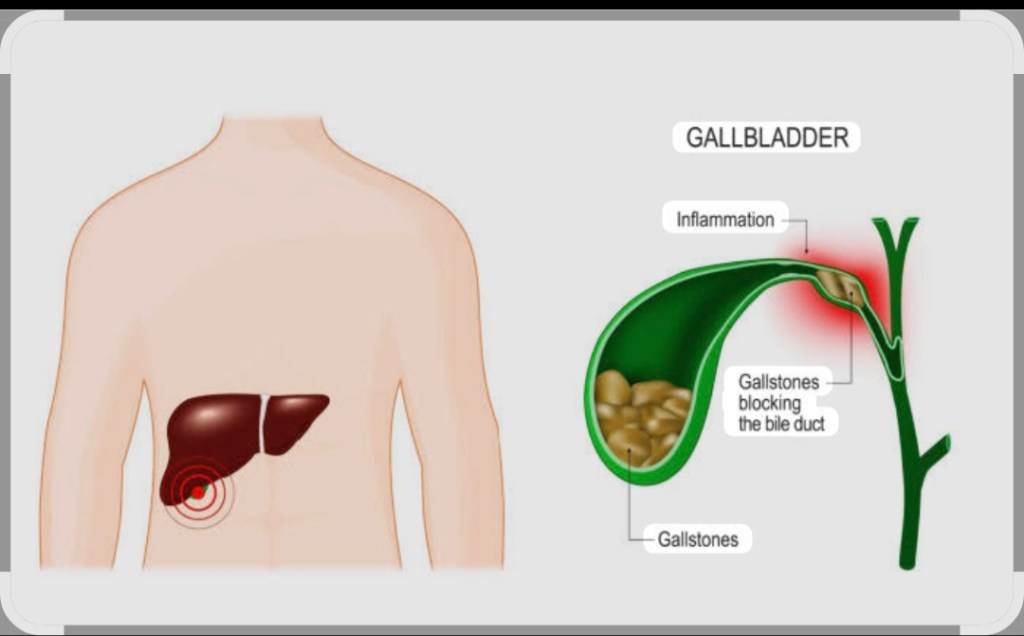


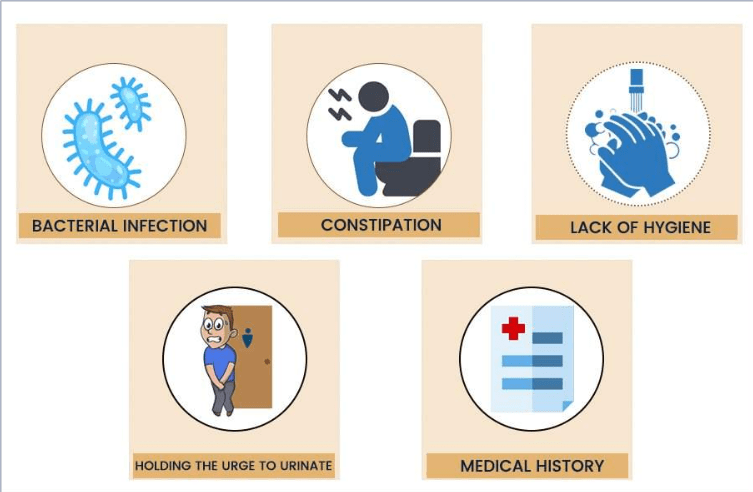
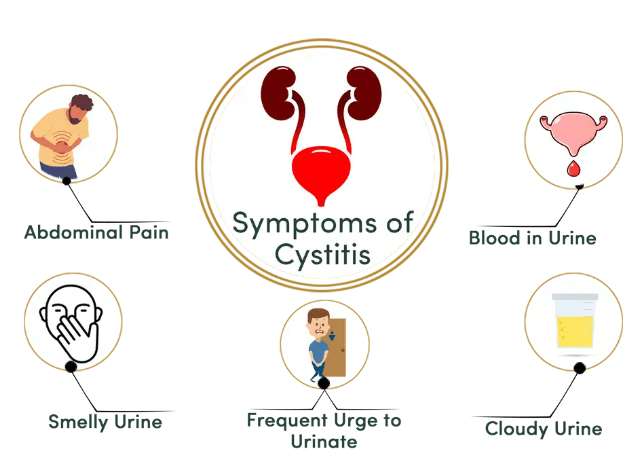
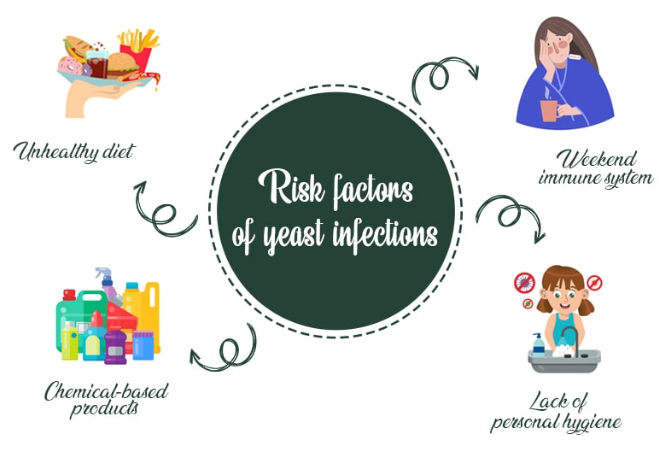
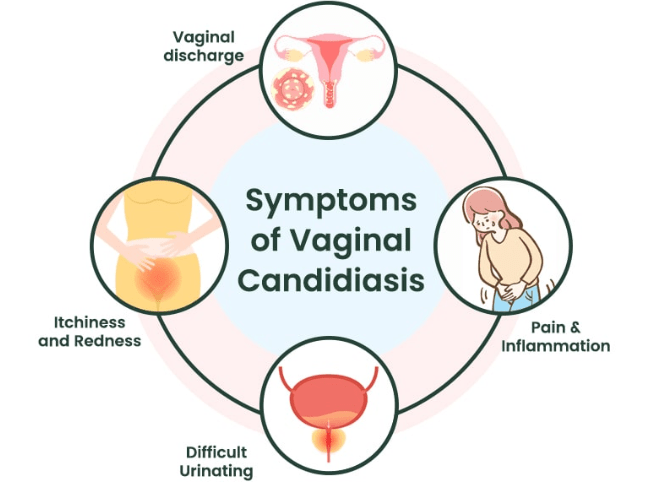
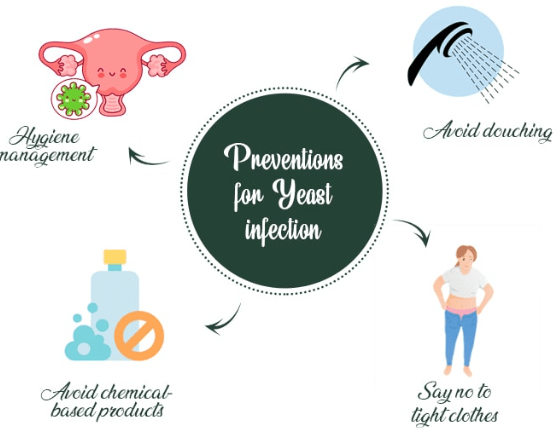
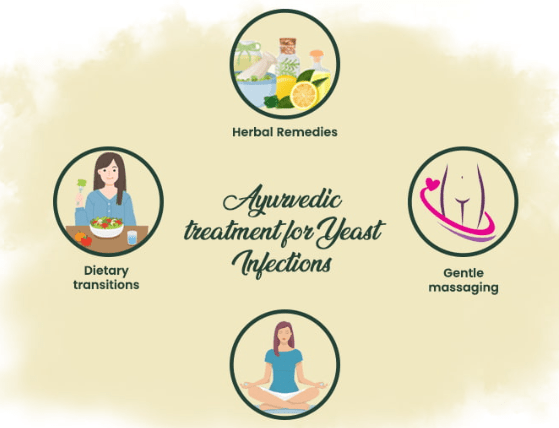
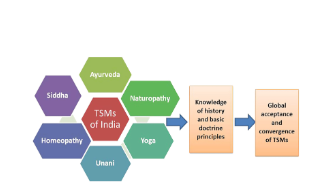


 Take A Deep Breath