Let’s face it, there’s nothing more important than health!
The thing is, despite always wanting a very healthy lifestyle, I’ve not been perfect and living a lifestyle that extended from my days in the film & broadcast media industry for some 32 years; operating at a pace of a demented chicken for many years, I regularly stayed up too late, ate too little or too much of the wrong things, drank a little more alcohol and a bit less water than I should have done. But I’ve also found through Ayurveda that the best way to counteract my imperfections is to create a daily practice of healthy habits.
Ayurvedic medicine and its practices are one of the ways I stay healthy and on track these days. I discovered the healing power of Ayurveda after I started experiencing imbalances such as digestive pains, unexplained aches & pains, energy dips, hormone imbalances, anxiety and general life fears back in 2020. Over the last year, as my knowledge has deepened and I have thrown myself into some 700 hours of back-to-back studies with an additional 200 hours of some really wonderful case studies, I have been able to fully immerse myself in the practices and ethos.
Ayurvedic practice is, in many ways, so foreign to the Western approach and so central to the philosophy behind Breathe, my virtual and physical clinic in The Valley, that it bears a deeper explanation.
The thing is, despite always wanting a very healthy lifestyle, I’ve not been perfect and living a lifestyle that seamlessly extended from my days in the film & broadcast industry for some 32 years; operating at a pace of a demented chicken for many years, I regularly stayed up too late, ate too little or too much of the wrong things, drank a little more alcohol and a bit less water than I should have done. But I’ve also found through Ayurveda that the best way to counteract my imperfections is to create a daily practice of healthy habits.
Ayurvedic medicine and its practices are one of the ways I stay healthy and on track these days. I discovered the healing power of Ayurveda after I started experiencing imbalances such as digestive pains, unexplained aches & pains, energy dips, hormone imbalances, anxiety and general life fears back in 2020. Over the last year, as my knowledge has deepened and I have thrown myself into some 700 hours of back-to-back studies with an additional 200 hours of some really wonderful case studies, I have been able to fully immerse myself in the practices and ethos.
Ayurvedic practice is, in many ways, so foreign to the Western approach and so central to the philosophy behind Breathe, my virtual and physical clinic in The Valley, that it bears a deeper explanation.
by Take A Deep Breath January 2022
Ayurveda is good. It’s natural and, depending on both the practitioner and the patient, can be very powerful.
An Ayurvedic practitioner will assess the results of the Dosha test to determine your unique constitution, physically examine your face, nails and tongue to determine any current health issues or any weakness where health issues could arise in the future, plan a specific food diet, recommend a daily routine, specific exercise, medicine and a treatment schedule if necessary.
According to Ayurveda, diseases can be caused by things including thought patterns, emotional states, and deeply ingrained beliefs. An Ayurvedic practitioner attempts through science, to identify the root cause of such ailments, and then, through ritual and Ayurvedic services, removes the blocks. For some people in the West, this is an absolute last resort that they take on unwillingly. In every one of my many experiences here with patients from all over the world (some of the most hardened and sceptical people I’ve come across), all of them have become believers on different levels, and have improved their health and well-being by embracing just a few of these simple practices.
Programs vary on a case-by-case basis; depending on the patient and conditions. Here’s what a typical daily schedule could look like:
7:00 a.m. Wake up, prepare for the day with tongue scrape, clean teeth, oil pull and splash face and eyes, hydrate with a warm herbal infusion or warm water. Eliminate.
7.30 a.m. Gather energy, meditate, visualise,create-gentle stretch yoga, sun salutation and dosha specific pacifying or energising moves. Bathe/shower.
8:00 p.m.-10:00 p.m. Slow down, assimilate, prepare for sleep, go within.
Bedtime.
It’s not easy and requires a certain amount of work, discipline and a willingness to strip away every vice and take a good, clean look at yourself.
Although this is difficult, your perspective shifts and your motivation grows. If you’re lucky, you realise that the only thing in the way is you.
My advice? Take action, don’t scrape the surface, dig in and accept that you are in this for the long haul. Deep realisations happen on a daily basis if you continue to strip away the layers. The clarity can be addictive. I realise that the best I’ve ever felt comes as a result of a lot of hard work and no alcohol or stimulants of any kind, barring the ridiculously good Chai tea. This is not to say that we shouldn’t follow our desires in the real world. In fact, the opposite is true. Ayurveda teaches that we should be happy, first and foremost. If you like cake, have a piece of cake. Just don’t live on it. If you want a drink, do so in moderation. It’s all about balance and living a good, wholesome, complete life where the mind, body and spirit work together to serve you and those around you.
As you become more familiar with Ayurveda, the journey takes on more meaning and significance. The deeper and longer into the practice you delve, like yoga (the sister science) the better and more flexible you become.
My Ayurveda practice and yoga game is on point. I have no plans to change my name to Ammachi, however, instead, I’m off to Granada for the spiciest damn fish curry I can find and a large glass a Clara.
“Nightshade” is a term used for the group of plants in the Solanaceae family. The exact reason why they are called nightshades is unknown, but possibly because they grow and fruit at night without the sun, absorbing “deadly night energies”.
The ancient science of Ayurveda says to reduce or avoid this group of plants for several reasons. Also, many researchers have discovered they are inappropriate for human health.
Among the foods listed above potato is a tuber, tobacco is a leaf and the rest are fruits.
Why are nightshades so potent?
Nightshades can be medicinal or toxic due to the presence of glycoalkaloid properties.
What are glycoalkaloids?
Glycoalkaloids are natural pesticides produced by nightshade plants. Glycoalkaloids are bitter compounds found throughout the plant, but are highly concentrated in the leaves, flowers, seeds and unripe fruits. Glycoalkaloids are also neurotoxins.
Why could the nightshades be bad for your health?
From a nutritional perspective, the ingestion of members of the nightshade family has two significant biological effects:
Glycoalkaloids are neurotoxins. Nightshades interfere with a neurotransmitter that is present in the nervous system. This means that they can be overstimulating and even lead to stress and anxiety when consumed in excess. On top of this, tomatoes’ high acidity can aggravate Pitta and Vata.
They can bring about an inflammatory effect on the joints.
All of the nightshades contain nicotine, or one of its close chemical relatives: solanine in potatoes, tomatine in tomatoes, aubergine in eggplants and alpha-solanine in bell and chilli peppers. All of these contain an acetylcholinestrase inhibitor that impedes the transmission of nerve impulses from one synapse to the next by retarding the production of acetylcholinesterase.
Many nightshades contain immune-activating molecules called lectins that can provoke an allergic response, and when food allergies are present, they are best eliminated.
Biochemical constituents in nightshades can also dehydrate the fluid lubricating the joints which can worsen arthritis and associated bone disorders. It may also interfere with calcium metabolism, worsening digestive sensitivity, sciatica, kidney and gallstone disorders.
Ayurvedic view on nightshades
From the perspective of Ayurveda, edible nightshades all are heating in nature, except for the white potato, and they are inflammatory in action. All of them have a pungent and/or sour post-digestive effects (vipaka). Thus, during digestion, the colon experiences the physiological consequences of the sour and pungent tastes, with the pungent vipaka, being both heating and dehydrating properties and provoking both vata and pitta doshas, and the sour vipaka, being both heating and moisture-promoting, provoking the kapha and pitta doshas.
Nightshades are therefore said to be aggravating for all three doshas.
Nightshades are also believed to possess inflammatory properties. Thus, they are aggravating to both vata and pitta doshas.
Nightshade foods come under the categories of Rajasic and Tamasic food which can alter the state of mind. They are stimulating, preserving the inertia and passion states of mind.
Are they OK to eat?
There is no one fit answer to this question. Somebody who has no issue on using them can use them in moderation or precaution. If you have been diagnosed with one of the following issues, I would recommend eliminating nightshades from your diet:
Autoimmune diseases
Arthritis
Fibromyalgia
Gout
Osteoporosis
Ongoing inflammation
Rheumatoid arthritis
Not sleeping well
Lack of energy
HOW TO EAT NIGHTSHADES?
If nightshades are not sensitive for you and they do not cause you unpleasant symptoms, here are some tips to enjoy nightshades in your diet:
Choose ripe nightshades: choosing the ripest fruits which are less toxic, since solanine levels are highest in unripe ones. For example, choose juicy red tomatoes over green tomatoes and red peppers over green peppers.
Cook nightshades: did you know, cooking makes food edible and reduces alkaloid content up to 50%. Lectins are also degraded, to varying levels, with cooking. Potatoes, tomatoes and the other Nightshades should always be cooked Ayuvedically, and the addition of Ayurvedic spices cumin, turmeric, black pepper or mustard seeds can relatively lessen their toxic effect. Cooking with healthy fat like ghee can reduce its toxicity.
Use moderation and variety: Ayurveda suggests eating everything in moderation as a medicine. Also not to eat the same food every day. Eating nightshades once in a while is alright but should not be addictive. Presence of nicotine can make us want to eat them often. It’s not great to use tomato sauce and ketchup as daily condiments. Enjoy variety and use nightshades in moderation.
Sesame oil has a warming effect that helps in reducing muscle pain. It also works wonders during winters when the feet are often cold.
Oiling and massaging the feet doesn’t take more than five to eight minutes and the results are fantastic, especially when done with sesame oil. Sesame oil has a warming effect that, in turn, helps in reducing muscle pain. It also works wonders during winters when the feet are often cold.
Have you ever felt exhausted right after you wake up, as if you have been on your feet the whole night? Feeling tired after a seven-hour sleep is quite common among young adults and people in their late 40s, and is also a reminder that your feet need some pampering.
In Ayurveda, the popular practice of abhyanga means massaging your body. While it is done before a shower, massaging your feet as a bedtime routine is also something that benefits the body. Oiling and massaging the feet doesn’t take more than five to eight minutes and the results are fantastic, especially when done with sesame oil.
Sesame oil has a warming effect that, in turn, helps in reducing muscle pain. It also works wonders during winters when the feet are often cold. All you need to do is warm it a bit (either in your palms or in a vessel inside a warm cup of water) and gently massage it on your feet for some time. In a week, you would notice the pain easing out. It also works wonders if you apply it around fractured bones or portions where one has had injuries.
Benefits of oil massaging on the foot:
* Foot massages on a daily basis helps reduce anxiety and stress as it can calm the nerves.
* It also helps one sleep better.
* It reduces the qualities of Vata, which also helps in improving digestion.
* It improves blood circulation and releases muscle tension, eventually making you feel energetic in the morning.
Ayurvedic remedies are gentle and facilitate a gradual shift in internal chemistry, rather than immediately assaulting the symptoms without adequate preparation, such as the sharp contrast delivered by artificial drugs. Thus, these remedies target areas of disharmony only, without leaving the harmful impressions that eventually become side-effects symptoms. These remedies however, require more time to develop their therapeutic effect within the physiology. Patience is a prerequisite to any form of healing, and ayurvedic remedies are no different. We can not expect to heal symptoms of negligence with one easy, quick-fix tonic. Healing is not free, there must be an energy exchange, be it energy, prayer, blood, sweat or tears! Healing must be earned through patience and self-kindness. After all, healing is work!
The remedies do not heal us, they simply allow us to heal ourselves. By adopting this change in mind-set, we cultivate faith in the remedy.
2021 has certainly been an unusual year. May Light & Love be with those whose year was a struggle and with those who found new hope. As we move into 2022, whatever your experiences, now it is time to let go of the past and explore the adventures that lie ahead. Times of transition give us the opportunity to re-evaluate our lives, perhaps making any necessary adjustments to realign with our spiritual goals.
Goodbye 2021
“We can’t become what we need to be by remaining what we are.” To be able to fully embrace the new year, we need to resolve any issues from the past. We can’t expect to be happy if we continue to hold onto anything that make us sad. Just as our body needs space to grow, we need to make room in our minds for the wonderful ideas waiting to be manifested.
Review and Accept
Set aside some quiet time to review the past year. Starting with last January and moving forward, month by month, without struggling to remember everything. Try not to judge or dwell too long on any situation but notice anything that brought an emotional charge. It’s important to accept whatever happened. There is nothing you can do to change anything so drop any regrets or “what ifs.” Acceptance of the past will allow you to create the future you deserve. “Focus on where you want to go, instead of where you have been.”
Forgive
As you make your review, be aware of anyone you feel may have hurt you or you may have hurt. If you haven’t forgiven them or forgiven yourself, now is the time to do it. Often, we can’t forgive what was done but we can always forgive the person who did it. If you don’t forgive, you will always remain connected to the situation, which will drain you energetically and overshadow all future interactions. The tough things in life often open our eyes to the good things we weren’t paying attention to, forgive now and be free to fully enjoy the coming year.
Let Go
Most of our lives have been disrupted in many ways during the pandemic. New fears, doubts, and limiting ways of doing things may have arisen. Notice any habits, attitudes, or beliefs you have adopted, which don’t serve your growth. Make a commitment to consciously let them go. Remember, “What’s broken can be mended, what hurts can be healed, and no matter how dark it gets, the sun is going to rise again.” Your present situation is not your final destination!
Achievements and Gratitude
Take some time to enjoy your achievements from last year. No matter how small, they were all important. Be proud of the challenges you overcame, creative new ways of doing things, or support you gave to those around you. And be grateful for the blessings you received during the year. No matter how chaotic, confusing, or tough it might have been, there were always those unexpected bright spots, when the sun burst out from behind the clouds. Maybe write down your achievements and things for which you are grateful. You can take this list into the new year and keep adding to it as you go forward.
Finally, take a few deep clearing breaths.
If there’s any tension or tightness in your body, breathe into that area. Use your breath to soften your body. As you exhale imagine you’re releasing anything still remaining that no longer serves you, whether you remember it or not. “To reach heaven, we must sail sometimes with the wind and sometimes against it. But we must sail and not drift, nor lie at anchor.” Remaining stuck in the past will never serve you. Review last year by filling your sails with a big grateful sigh. No matter what happened, you’re another year closer to enlightenment.
Hello 2022
“Destiny is not a matter of chance, it is a matter of choice. It is not a thing to be waited for, it is a thing to be achieved”. Now you’ve released 2021 what will you make of 2022?
Self-reflection
Start by taking a few minutes to sit quietly and ask your Higher Self two questions, “What do I want?” and “What is my purpose?” Ask them at the beginning of the year and also regularly as you progress through the year noticing the changes as you grow and evolve. When asking these questions, see if you can move beyond the ego and its materialistic desires and discover what your soul yearns for and how your purpose not only supports your spiritual journey but also the world around you. Form your answers into a simple sentence and repeat it before your daily meditation and before going to sleep at night. Release the outcome into the field of infinite possibilities and let the universe take care of the rest.
One thing not to do in the new year is to wish things were like they were sometime in the past. They are not and never will be, now is the time to stay alert to the new opportunities, to boldly go where you’ve never been before. And remember that some of life’s greatest blessings arrive in unexpected ways.
Listen
Be kind and gentle with yourself. Get enough rest, regular exercise and eat a healthy diet. Listen to your body and try to avoid things that cause you discomfort. Now you’ve released your bad habits, you have space to introduce some good ones. If you can’t think of any, perhaps take this advice from Lord Buddha, “Life is very short, so break your silly ego, forgive quickly, believe slowly, love truly, laugh loudly and never avoid anything that makes you smile”.
Spend time with people who you find uplifting.
Be open and listen to other points of view but don’t allow others to control your life. Speak from your inner truth, be yourself, and resist becoming entangled in the stories your ego creates for you or those we are bombarded with from the news and social media. Be prepared to look beyond the obvious, you never know what wondrous magic you might discover.
Love and Light
There will be challenges but nothing you can’t handle. Live your life consciously. Don’t make rash decisions. Be patient, you have eternity. Let Love dissolve your fears, let Light dispel your darkness, “If you are facing in the right direction, all you need do is keep walking”. Let Love and Light illuminate your path.
Service
Whatever help we give others will always come back to us many times over. Be generous in your thoughts, words, and actions. Have compassion for those who are in need, understanding for those in difficulty, and tolerance for those who challenge you. “When we are being a friend to all, we are being a friend to all the little pieces of our greater Self. So ultimately, when we are kind to others, we are kind to ourselves, when we are loving to others, we are loving to ourselves”.
Sadhana
If you don’t already have one, establish a spiritual practice that suits your lifestyle. Include a daily silent meditation. Enjoy the wealth of guided meditations, take a yoga class, learn some pranayama breathing exercises and try following an Ayurvedic routine. Stay centered and grounded, spend time in nature. Become a master of everything you do and be aware. When we live with awareness our whole life becomes our spiritual practice.
Fun
The universe as we know it was created as a play of consciousness. Sometime, eons ago, we mistakenly started taking it seriously. Now it’s time to lighten up again. Make sure you do something just for fun every day. We are all part of one collective consciousness. Everything you do has an effect on everyone else. Imagine the effect if everyone started having fun. But, as the Indian poet Rabindranath Tagore told us, “You can’t cross the sea merely by standing and staring at the water”. It’s up to all of us to make 2022 the most fun year ever!
Keeping your doshas in balance is a very important part of Ayurveda. Your body has its own state of harmony and equilibrium, and it is different for every individual. Sometimes it is hard to identify when this harmony has been disrupted and your doshas are off balance.
Fortunately, Ayurvedic practitioners use a measure termed “Vikriti” which can help compare your current state with your optimum state of balance. It involves analysing certain characteristics of your body’s functioning. These characteristics can provide you with a useful insight into your body’s behaviour and what your body requires to get back into balance. Such analysis can be very beneficial for both your physical and emotional well being.
There are four major areas that you can look at to help determine your imbalance:
Mood
Feeling annoyed and frustrated? – You may have a Pitta Imbalance.
Are you anxious or feeling nervous? – Vata Imbalance.
Feeling lethargic or sluggish? – Kapha Imbalance.
Appetite
Eating too much and hungry all the time – You may have a Pitta Imbalance.
Forgetting to eat and passing on meals, with a fluctuating appetite – Vata Imbalance.
Feeling dull and losing your appetite – Kapha Imbalance.
Energy Levels
Feeling intensely driven or have very intense levels of energy? – You may have a Pitta Imbalance.
Having variations in energy, with a tendency to start many projects but not finish? – Vata Imbalance.
Feeling lazy, heavy and sluggish? – Kapha Imbalance.
Pain
Heartburn and upper abdomen discomfort – Pitta Imbalance.
Joint and back pain – May suggest Vata Imbalance
Sinus and chest problems? – Look into a Kapha imbalance.
These are just some of the ways in which your body can tell you about potential issues to consider. Even something as seemingly insignificant as the taste in your month can suggest a Dosha imbalance of some kind. This goes all the way back to how you digest food and how your body reacts. Having a sour taste may suggest a Pitta issue and that you should adjust your diet accordingly. The same goes for Kapha, where sweet and salty tastes may be prevalent, and Vata where you may experience a bitter taste.
Vikriti is an invaluable way for both you and your practitioner to keep health in check. It not only makes sure that we are at our best physically, but also mentally and emotionally. For, in Ayurveda, all of these aspects are interlinked together.
A better understanding of your body’s constitution will lead you to be more conscious of how you live your life. This will in turn help keep your body in its natural state of balance, so you can really feel both physically and mentally strong throughout the year when you are faced with a whole host of different challenges. It is a great way to help manage your health and you can use the checklist at any time to quickly assess what imbalances you may have.
There are many meditation techniques, but Empty Bowl meditation is one that calms the mind, awakens kundalini shakti (divine feminine energy believed to be located at the base of the spine) and unfolds a blissful state of awareness.
Sit comfortably and quietly in a cross-legged posture facing east or north, with the palms up and placed open on your knees, like empty bowls. Relax your fingers as if you are holding a bowl in each hand. Open the mouth slightly and touch the tongue to the roof of the mouth, behind the front teeth.
Simply watch the movement of the breath, which is the object of awareness. Do not interfere with your breath; just let the lungs do their work with no effort on your part. As you pay attention to your breath, be aware of the tip of your nose and the touch of the air entering the nostrils. Sit quietly and feel you are inside the nose, remaining aware of the movement of air touching the nostrils. Incoming air has a cool touch, while the outgoing air is warm.
After about five minutes, follow the breath with your attention. Go with the air into your nose, throat, lungs, diaphragm, and down behind the belly button, where you will experience a natural “stop.” Stay in this “stop” for a fraction of a second, then follow the exhalation, as it goes upward from the belly to the diaphragm, lungs, throat, and out through the nose to about nine inches in front of the nostrils, which is a second “stop” that is outside the body.
The movement of breath is time. At these stopping points, the breath stops and time stops, and there is only pure existence. Your higher awareness is present and you are surrounded by peace and love. The moment you allow the lungs to breathe and become like an empty bowl, divinity can touch you and your heart will fill with love. Most bowls are full of ambition, competition, thoughts, feelings, desires, anger, frustration, or fear.
Āgama means inhalation and nigama means exhalation. Hence, another name for Empty Bowl meditation is Āgama Nigama Veda.
Practice this meditation for fifteen minutes each morning and evening. You may also practice this meditation in a prone position (laying face and chest dow, back up) Spontaneously stay in the “stops” between breathing in and out; in whichever stop you feel more comfortable, remain there without effort. In the beginning, it will only be for a fraction of a second, so don’t worry if nothing happens. Just do this sincerely every day for a year or so, without expecting anything. Over the days and months, you will find your time in each stop naturally prolongs until eventually the inner and outer stops merge at the third eye and everything happens within you. A person should think, “nothing should happen,” then everything will happen on its own accord. This is the skill in action of meditation. When your stop, naturally and without effort, increases to ninety seconds, you will be become enlightened. “Then you see the inner light behind the third eye, the blue pearl that is a beautiful dawn on the horizon of bliss”. This is a powerful technique that leads to kevala kumbhaka, the suspension of breath and thought.
A warming bowl full of pumpkin curry with turmeric and rice.
Savour Autumn flavour while staving off winter colds with this bright, flavourful One-pot pumpkin curry! Turmeric melts with rich pumpkin puree and hearty vegetables to yield a one-pot meal as simple as it is satisfying. Feel free to swap in whatever veggies you have on hand, serve as is or over cooked grains, and enjoy the comfort.
In addition to lending bright colour and earthy flavour to dishes, turmeric is well-known for its powerful ability to support a healthy inflammatory response. Turmeric is increasingly noted for major benefits to your body and brain, including supporting heart health, enhancing the antioxidant capacity of the body, and more. Moreover, it is nourishing your whole health and in turn supports healthy, conscious living. Eating doesn’t get much more comforting than this!
One-Pot Pumpkin Curry
A warm bowl half-filled with rice and the other half with pumpkin curry with veggies.
4 servings
INGREDIENTS:
1 Tablespoon Ghee (or use a good bio cooking oil)
1 small yellow or white onion, diced
1-inch piece ginger root, peeled and minced
2-3 garlic cloves, minced
1 Tablespoon curry powder
1 Teaspoon Turmeric powder
⅛ Teaspoon red pepper flakes or cayenne
1 425g can pumpkin puree (or approximately 1 ½ Cups homemade)
1 397g can coconut light milk
2 cups vegetable broth or water
1 425g can chickpeas, drained and rinsed
1 bell pepper, seeded and chopped
1 medium broccoli crown chopped
1 medium courgette, chopped
2 medium carrots, sliced
2-3 medium tomatoes, seeded and chopped
Sea salt and fresh ground pepper to taste
Lime wedges, cilantro, and rice or other cooked grains, for serving
METHOD:
Heat ghee, water, or cooking oil in a large pot over medium heat. Add onion and all the spices and sauté until onions are translucent.
Stir in coconut milk, broth or water, and pumpkin puree. Bring to a low boil, then add in the chickpeas, and vegetables.
Reduce heat to medium-low and let simmer for at least 20 minutes. Season to taste with salt and pepper.
Serve as is or over cooked rice, quinoa, or other grain alternative; garnish with lime and cilantro.
Depression is one of the most common mental illnesses worldwide, affecting approximately 300 million people (4.4 percent of the world’s population) (approximately 1 in 12). Women are nearly twice as likely as men to suffer from depression, with adolescence, postpartum, and perimenopause being especially risky times. Depression has a significant economic impact. It is the leading cause of disability worldwide. It is also one of the most common reasons people seek out integrative or complementary therapies and providers.
Psychological Perspectives
Healing depression is something that requires time, focus, and effort on multiple levels. Here are five key psychological steps that can provide a useful foundation for the endeavor.
Choose to accept the self exactly as it is—with the parents, the body, and the circumstances present. Trust that things are as they are for a reason, even if you do not understand it. Few people live up to the exact ideal they have for themselves. To be happy, you have to choose to care for (and eventually love) yourself as you are, including your perceived flaws and difficulties.
Make constant inquiry into your mind and heart. Be mindful of your emotions throughout the day. This could mean catching a stream of negative self-talk and substituting more supportive affirmations (classic cognitive therapy and pratipaksha-bhavana in ancient yogic philosophy). It could also mean changing what you are doing (behavioural therapy).
Honour your yes and no. A factor in many cases of depression involves not honouring your truth. The question, “What do I want (right now)?” is important. Take action to follow things that feel aligned with your authentic yes. Say no to things that feel uncomfortable in your body or heart.
Take responsibility for your choices. If you feel your goals and wishes (your “yesses”) are being rejected—by life, yourself, partner, or family—you often end up unhappy. This is a complex issue, however. Dreams and wishes are not always straightforward. “Yes” is not always crystal clear. It is important to acknowledge this. Otherwise, you can mistakenly blame other people for your choices and your happiness. Remember: You need challenges to develop specific strengths, which are the fuel for spiritual growth. In turn, you can help others in similar situations.
See the self holistically. All seemingly negative traits have positive aspects. The core qualities of people’s most “negative” traits are often tied to their greatest strengths. As a practitioner who is also an astrologer, I have found several patterns of susceptibility to depression in people’s astrological charts. Saturn (order, restriction, heaviness) is usually involved, as is Pluto (intensity, transformation, obsession). A prominent Saturn may make someone depression-prone, but it also makes them conscientious, reliable, and capable—very useful traits. A prominent Pluto can make a person depressed but also determined, resilient, and charismatic.
Ayurvedic Perspectives
Viewed through an Ayurvedic lens, depression is usually thought of as a Kapha imbalance—heaviness, sadness, and general stagnation. Apathy, low energy, poor mood, and reduced movement are part of the official criteria psychiatrists use to diagnose depression. These symptoms are all Kapha problems, which suggests that the Kapha element is indeed out of balance in most cases of clinical depression.
From a more comprehensive Ayurvedic standpoint, there are three subtly different types of depression corresponding to the three doshas. These unique types of depression may preferentially affect people of that same primary dosha. They can also affect people of a different primary dosha who have the affected dosha(s) out of balance.
Kapha Depression
Associated with lethargy, increased sleep, poor motivation, despondency, and ama (toxicity), lies Kapha depression. It is the most common and longest-lasting type–due to the inherently slow-moving nature of Kapha. The treatment approach varies but includes the general principles of increasing movement, reducing toxicity, and enhancing ojas (vitality). Some science-backed recommendations are:
Thirty minutes of yoga daily (especially Sun Salutations)
Thirty minutes of outdoor exercise daily (start gentle and increase to moderate intensity). Spend time in nature at least once a week.
Increase fresh vegetables in your diet. Reduce processed foods and sugars (including alcohol, which is a depressant).
Eat warm, spicy meals. Reduce cold food and smoothies. Add pungent, warming herbs such as cayenne and cinnamon to meals.
Consider fresh-squeezed veggie juice to help the body detoxify. A program of physician-supervised cleansing (called panchakarma in Ayurveda) could be helpful.
Consume ginger tea morning and night. (Cut and boil a 2–3-inch piece of organic ginger. Steep 20 minutes.) Also helpful for Vata depression.
Take 350–400 mg of the herb ashwagandha morning and night. Ashwagandha enhances thyroid function, and supplementing the thyroid is a standard adjunct treatment for depression within Western psychiatry. Caution for Pitta dosha or Pitta-type depression (see below), as increased thyroid activity could actually worsen agitation in that population. Ashwagandha is helpful for Vata, however.
Consume 1 teaspoon dulse, nori, wakame, or other seaweed three times per week. Seaweeds can cause a subtle increase in energy, metabolism, and body temperature with a possible slight reduction in depression.
Take 20–30 mg/day of the spice saffron.
Use caution and discuss with your physician if already on an SSRI (anti-depressants) or other pharmaceuticals.
Perform a daily self-massage (abhyanga) with a warming oil, such as sesame. Massage is known to reduce cortisol levels and increase serotonin/dopamine, making it a useful practice for depression.
Consider 120–250 mg/morning of the herb Rhodiola.
Use caution/discuss with your physician if on SSRIs.
Consider taking 500–2,000 mg/day of cardamom. Cardamom reduces inflammation, congestion, and mucus throughout the body (possibly also helping irritable bowel or inflammatory bowel disorder). It has an indirect effect on depression.
Avoid binge-watching, excessive internet use, and similar sedentary activities, as these promote Kapha accumulation.
Clean the house, make the bed, bathe, and get dressed daily. Set a commitment for social interaction one to three times/week. Taking action to promote vitality is essential.
Pitta Depression
Like Pitta imbalance, Pitta depression is a more agitated state. It is highlighted by frustration, anger, irritability, and impulsivity. There is a higher risk of suicide with this type of depression due to impulsivity and agitation. In traditional psychiatry, this might be thought of as a “mixed depression” (depression blended with manic or bipolar symptoms) or an “agitated depression.” This condition may be more common in a person who has been diagnosed with bipolar disorder or has some tendencies along the bipolar spectrum.
Pitta depression can be improved by general principles of cooling and soothing. Research-based remedies include the following:
Twenty to thirty minutes of slow, restorative yoga daily. Avoid hot yoga and excessively vigorous exercise.
Meditate for 20 minutes daily, possibly under a tree in nature.
Walk by the ocean, a lake, or a stream for at least 30–60 minutes a day. Water is cooling for Pitta.
Increase alkalinity in the body through green drinks, salads, and fresh vegetables.
Increase cooling foods, such as fresh fruit and smoothies.
Avoid spicy food, which imbalances Pitta.
Avoid alcohol during healing (and be mindful afterwards). Alcohol is acidic, which aggravates Pitta.
Aloe vera juice can be helpful to Pitta. One cup or more per day is cooling and anti-inflammatory. Since inflammation is a factor in many cases of depression, there is a probable indirect effect on depression.
Consider taking 400–800 mg/day of the herb shatavari (asparagus racemosus). It is a cooling herb with a balancing effect for Pitta. In Ayurveda, balancing the doshas impacts the mood.
Bacopa is another Pitta-balancing herb with promise regarding depression. This herb is also being studied for schizophrenia, ADHD/focus, memory, epilepsy, and anxiety. Start with 350–400 mg/day to start; work up to 800 mg/day, if well tolerated.
Ginkgo is a cooling herb best known for its neuroprotective benefits; aim for 120–240 mg/day. It seems these do extend (at least partially) to mood.
Do not take if you are on a blood thinner, including aspirin, or if you have been diagnosed with a bleeding disorder.
Begin daily consumption of cilantro (a handful/day) and coriander seed (1 teaspoon/meal). Both are cooling, and cilantro is detoxifying, especially for heavy metals. Five to 10 chlorella (edible algae) tablets optimize the effect.
Consider an organised cleansing program, including liver support herbs.
Sweet tastes and fragrances such as rose and other flowers balance Pitta. (Lavender and rose aromatherapy improved depression and anxiety in a group of post-partum women vs. control.) Rose essential oil diffused daily or used on the skin with a carrier oil may help balance Pitta (and Vata).
The Ayurvedic herb arjuna can be helpful to balance sadhaka Pitta, the aspect of Pitta that governs emotions. Arjuna has a long history of use for various dysfunctions of the heart muscle (heart failure, palpitations, hypertension), but it also seems to have an emotionally soothing aspect. Take 500–1,000mg/day.
Vata Depression
Characterised by worry, restlessness, insomnia, and “ungroundedness,” a person with Vata depression often will have an overload of the stress hormone cortisol. They generally have pushed themselves (or felt pushed) beyond their capabilities and become overwhelmed. This is a bit like the classic “nervous breakdown,” which is not an official medical diagnosis. In psychiatry, Vata depression is usually thought of as a combined anxiety-depressive disorder. There is a strong ruminative component to this state—an inability to shut off the mind.
Key principles for healing Vata depression are grounding, warming, and calming. A few specific recommendations for Vata-type depression are:
Aim for 15–30 minutes of yoga daily, followed by 15–30 minutes of seated meditation. Routine and discipline are very helpful for Vata.
Loneliness is common in Vata depression, so commit to at least one social activity/week.
Connection to nature is crucial due to the inherently ungrounded qualities of Vata. Spending 30 minutes or more outside every day—sitting on the ground, touching a tree, or gardening—can be highly therapeutic.
Increase consumption of warm, nourishing whole foods such as soup, kitchari, and baked vegetables. Avoid dry, processed food (chips, crackers) and reduce cold foods (salads, smoothies).
Drink 2 tablespoons of loose tulsi (holy basil) tea three or four times a day. Alternatively, take 800–-1,000 mg/day in capsule form.
The Western herbal treatment St. John’s Wort can be helpful for this kind of depression, as well as the Kapha type. In terms of qualities, St. John’s Wort is bitter and pungent. Because bitterness can aggravate Vata, start with a small dose (300 mg/day). With Kapha symptoms, the dose may need to be higher: 300 mg two or three times per day. This herb stabilizes prana Vata, the aspect of Vata that governs the brain and neurotransmitters.
Do not take this supplement with birth control pills. It can render oral contraception ineffective because it speeds up hormone processing in the liver.
Do not take if on an SSRI, unless under the guidance of an experienced physician.
Passionflower is a wonderful supplement, especially in conjunction with St. John’s Wort. Passionflower is calming to the nervous system, which is why it is included in the Vata section. It has ever-increasing evidence supporting its use for anxiety. Paired with St. John’s Wort, the effect is synergistic: greater benefit for both anxiety and depression than either used alone. By pure Ayurvedic qualities, this herb could also help Pitta depression; aim for a dosage between 400–800 mg/day.
Chamomile is worth considering for Vata-type depression. High doses may be a bit drying, but at moderate doses, the soothing effect predominates. It is evidence-based for anxiety, and new studies suggest it may have anti-depressant effects as well, at doses of 250–500 mg/day.
The Ayurvedic herb jatamansi has a long history of use as a Vata-balancer with doses ranging from 450-1,000 mg/day. It is commonly used for anxiety and sleep. It may have some mild anti-depressant benefits as well.
Ashwagandha was discussed in the Kapha section, but it is also an effective balancer of Vata. Thus, it deserves to be part of the Ayurvedic approach to either Vata or Kapha depression between 350–800 mg/day.
Gotu kola can be beneficial to all of the doshas, but since it perhaps has the strongest evidence for use with anxiety, it is included here. There are no studies (yet) looking at gotu kola for depression in humans, but there are several rodent studies suggesting benefit; consider a dose of 700–1,400 mg/day.
Daily probiotics are beneficial for all doshas, especially Vata and Kapha since they have naturally weaker digestion compared to Pitta. The data is resoundingly favourable and becomes even more so if specific strains of bacteria are ingested. B. longum, L. rhamnosus, L. reuteri, and L. helveticus are several that have been found especially helpful.
Turmeric has received much publicity due to its extensive scientifically documented success with depression at doses of 1,500–2,000 mg/day. Take with black pepper. Prolonged high doses may be aggravating for Vata and Pitta, but temporary use is helpful for all doshas.
Practice daily self-massage with a warming oil (sesame or almond).
Encourage restful sleep with bedtime around 10 p.m. Use herbs to support this, if needed. Ashwagandha, passionflower, tulsi, and jatamansi can help.
Spiritual Perspectives
Depression is an opportunity—a chance to face your darkest thoughts and feelings with understanding and openness. It is a chance to nurture and heal yourself. Spiritually, transforming depression involves facing one’s own depths and coming to terms with choices, disappointments, fears, traumas, and more. Each case of depression is unique, but the common answer to all of them is your own love. If you are willing to open your heart to your own pain and make compassionate space for it, you are on your way to healing.
If you suffer from depression, take the wildest self-affirming action possible and fully commit to being here—on the planet and in your body. Wishing to leave is distracting and essentially delays healing. Have compassion for your soul for choosing a challenging life. Honour your soul’s wisdom by vowing to walk your unique path, even if it’s hard—even with depression.
Depression is your teacher. Trying to understand it will teach you about yourself and the world. Cultivating happiness is a practice. Every day requires maintenance. Try not to doubt your journey. Integrate your prior choices and values into your current sense of self. This will help you feel cohesive and strong. Feeling empowered now makes it easier to create a future that includes a heart at peace. The road is inward and may be long, but a heart at peace in a balanced body will surely find its way.
Do you suffer from unexplained joint pain, stiffness and inflammation that doesn’t have any apparent cause? These symptoms may signify the onset of arthritis, causing the inflammation of joints, pain, stiffness and disability.
Sore joints make any movement painful, reduce physical activity, and increase stiffness with complications such as cellulitis and autoimmune triggers. Disuse atrophy sets in and soon becomes a vicious circle. The diagnosis often leads to emotional shock by imagining the worst-case scenario of becoming bedridden. This crippling disease is on the rise.
The serious disease is considered incurable by Western medicine. The prescribed painkillers, anti-inflammatory drugs and steroids don’t address the root cause. Instead, the patient becomes dependent on these drugs and experiences serious consequences.Ayurveda believes that identifying the root cause of this disease is key, not just treating the symptoms. Through the identification of the root cause and the simple practices of Ayurveda one can not only treat the condition with a few basic principles and lifestyle tweaks but go on to have a healthy and mobile life.
There are more than 100 different forms of arthritis and similar diseases out of which osteoarthritis (OA), rheumatoid arthritis (RA), psoriatic arthritis (PsA), gout and fibromyalgia are more prevalent.
Causes and Symptoms of Arthritis
Symptoms of arthritis include stiff, painful and inflamed joints, slight fever, loss of appetite, extreme fatigue, weight loss and decreased range of motion. However, triggers vary according to the type of arthritis.
Family history can make you genetically susceptible to this disease.
Risk of osteoarthritis, rheumatoid arthritis and gout increases with age.
Women are more likely to develop rheumatoid arthritis while men suffer more from gout.
An injury to a joint can trigger arthritis and subsequent complications.
Another major cause is obesity as excess weight puts a lot of stress on the knees, hips and spine.
Seeking a specialist’s opinion is crucial if you have symptoms and also the risk factors. Arthritis should not be ignored as it seriously damages bones and cartilage, resulting in deformity and disability.
Conventional Treatment
Conventional treatment for arthritis includes prescription of pain killers to ease pain, nonsteroidal anti-inflammatory drugs to lower both pain and inflammation and corticosteroids to reduce inflammation and suppress the immune system.
The treatment is long term and the patient may suffer complications due to long term use of drugs and their side effects. Physiotherapy is prescribed to strengthen muscles around the joints and improve the range of motion. Surgery is recommended in some cases to realign the joints to reduce pain and improve function.
However, these are expensive and complicated procedures with several side effects.
What Does Ayurveda Say?
Arthritis affects the quality of life. If ignored it can lead to disability. Allopathy doesn’t offer much hope.
Ayurveda’s holistic way of treating any disease makes it a safe and natural healing process without going through complicated invasive procedures or chemical-based medications.
There is no need to ruminate on pain, imagine the worst-case scenario or feel hopeless. Ayurveda can help you to cope with this disease. Consult an Ayurvedic doctor to discuss the treatment and adopt a holistic way to manage arthritis.
According to Ayurveda, there are three types of musculoskeletal disorders, namely: Amavata (rheumatoid arthritis), Sandhivata (osteoarthritis) and Vatarakta (gouty arthritis). This ancient science believes that excess Vata (air/ether energy) and/or ama (toxins) circulating in the body get deposited in the joints, producing swelling and inflammation, eventually resulting in arthritis.
Inflammation which is painful and unsightly sits across all arthritic conditions as a body’s natural protective reaction to something that just doesn’t belong. So what is inflammation? Inflammation is an important protective mechanism mounted by the body when something foreign is detected and or an injury takes place. Not all inflammation is bad. The problem is it can quickly spin out of control when triggers such as unhealthy lifestyle, poor diet, stress, toxins, or infection become chronic or reoccurring injuries.
For example,Amavata or rheumatoid arthritis is the consequence of the formation of metabolic waste called ama due to improper digestion. Osteoarthritis is caused by excess Vata in the body. Lack of movement, emotional stress and improper lifestyle are some other reasons.
‘Ayurvedic treatment takes the whole-body view for treating arthritis by taking into account the patient’s physical constitution, dosha energy type, lifestyle and food habits’.
It involves modification of diet, massage and relaxation activities. It emphasises the tools of yoga for full movement in the joint and flexibility to manage any type of arthritis. Herbs like ashwagandha, boswellia, ginger, guggulu, shatavari, triphala and turmeric are prescribed.
Follow These Simple Ayurvedic Tips to Manage and Treat Arthritis…
Note : Ginger, turmeric and garlic have antimicrobial and anti-inflammatory properties.
Strictly follow regular meal times. Starting with a small but nutritious breakfast containing the correct foods for your type and at the right time of time of day, every day. Your main meal containing hard-to-digest proteins and carbs during the strongest digestive time of 10am to 2pm (during Pitta [fire] high sun time) and your supper which should consist of a light easy to digest content, less on proteins and carbs, before 7pm
Avoid acidic foods. Keep 75% of your diet alkaline.
Unpolished, long-grain rice or red rice, barley & fox millets are beneficial (bulgar wheat, quinoa and amaranth are good alternatives)
Ingest more green vegetables, gourds such as butternut squash, pumpkins, courgettes & cucumbers.
Include more enzyme-rich fresh fruits like pineapple, bananas, avocados, kiwi, mango, apple, papaya, guava & enzyme stimulators kefir, sauerkraut & kimchi.
Soak dried grapes and figs overnight and eat in the morning, making them easier to digest and enhancing their nutrient absorption.
Ginger, turmeric and garlic have antimicrobial, anti-inflammatory and analgesic properties and should be included liberally in the diet.
Split moong dal, barley flour, honey, cumin seeds and dry ginger powder, are beneficial for rheumatoid arthritis.
Minimise sour curd and yeasts ( Sour curd is a curd that is turned sour due to the fermentation of milk with the help of certain bacteria. Essentially different from yogurt) as this can promote the growth of candida in the body which is bacterial and can sit in the gut and affected joints. Instead, add crushed garlic cloves to a glass of buttermilk or full-fat milk and drink every day. Garlic milk has anti-inflammatory compounds and helps in subsiding gas, abdominal cramps, bloating, constipation and indigestion, thus keeping the energy (Agni) away from having to metabolism and focused on supporting other parts of the body.
Avoid incompatible foods at meal times like milk and fish, milk and brown sugar, diary and fruit or maple sugar togetheras these require different enzymes to metabolism and often have to compete against each other resulting in non-metabolised products sitting for periods of time, festering in the gut; thus encouraging candida and leaky gut syndrome.
Other Ayurvedic Tips
Follow a healthy lifestyle with periods of regular rest and relaxation.This can be obtained by adopting a healthy routine which aligns with the energy of the body and the circadian rhythm thus eliminating mental & physical stress. Utilising your energy when at its strongest in the day and relaxing when at its in its waning position.
Fomentation (application of moist heat), steam bath or bath with lukewarm water is recommended.Herbal drops can be added too to maximise this process.
Oleation with specific oils and herbs according to dosha type or ailment as part of a daily ritual is beneficial too. Abhyanga is a soothing and healing practice that brings grounding and balance.Even just oiling the feet at night with warming sesame oil has amazing results for pain and inflammation.
Fasting is beneficial to alleviate the built-up of pressure on the body, organs, tissues, lymph system, etc but should be done only under the supervision of an Ayurvedic practitioner.Ayurvedic fasting is very different from the popular intermittent fasting. Whilst it follows the same time duration principles, dosha type, circadian rhythm energies and specific focus on the ailment or outcome are considered.
The tools of yoga, namely movement and mind management meditation helps in managing arthritis by reducing inflammation and pain, and by increasing and maintaining mobility. Try many styles of yoga before deciding the most suitable. Ayurvedic meditation can be very simple and adaptive, from sitting in a chair quietly with a focus to under the breath, vocalising, chanting and/or chakra work.
I hope this simple and basic article is of use to anyone suffering from an arthritic condition. There really are good, honest, natural remedies and tools available through Ayurveda to alleviate, manage and cure. No one has to suffer these, despite the Western approach & outlook, they can be cured!
Another Ayurvedic favourite of mine! This nourishing and grounding drink is a lovely way to end the day. Golden milk is great for calming Vata dosha, which has a tendency to become unbalanced during the winter and Autumn months. However, this nourishing tonic can be taken at any time of year!
This drink recipe is calming for the mind and healing to the body. With all of the warming spices added, Golden Milk is a great way to increase digestion and circulation. Golden Milk’s health properties don’t end there, however. This soothing tonic has also been shown to strengthen the bones (great for treating or preventing osteoarthritis), reduce symptoms of anaemia, increases Ojas (immunity and vitality), cleanse the blood, and beautify the complexion. Due to its naturally grounding properties, I often recommend taking this drink before bedtime to promote sound sleep (add a pinch of Ashwagandha for even greater sleep-enhancing results!).
Doshic effect: Vata ↓, Pitta ↓, Kapha ↑
Serving: 1
Time: 20 minutes
Utensils
Small saucepan
Spoon
Hand blender (optional)
Ingredients
1 cup whole milk or unsweetened almond milk (use almond milk for Kapha)
1/2 cup water
1/2 teaspoon turmeric powder
1/2 teaspoon ashwagandha powder (optional)
1/4 teaspoon ginger powder
1/8 teaspoon cardamom powder
Pinch black pepper
1 cinnamon stick
3 saffron stigmas
1/2 teaspoon ghee (omit for Kapha)
1 teaspoon honey
NOTE: If one cup of milk is too much, substitute by using ½ cup milk to ½ cup water.
Directions
1. Place the milk and water in a small saucepan and bring it to just below a boil.
3. Once the milk has become hot, reduce the heat to a simmer.
4. Add the turmeric, ashwagandha (if used), ginger, cardamom, black pepper, cinnamon stick, saffron, and ghee to the heated milk. Stir the spices well until they have all completely dissolved into the liquid.
5. Simmer the ingredients for 5 minutes, stirring continually.
7. Pour the finished beverage into a mug. Let the milk cool to a drinkable temperature and then stir in 1 teaspoon of honey.
8. Sip on this beverage up to 30 minutes before bed each night for a calm mind and sound sleep.
Optional Doshic Variations
Vata:
This drink is naturally Vata-reducing, no changes are needed!
Pitta:
Overall this drink recipe is Pitta-pacifying; however, some Pitta types may need to reduce or eliminate the more heating spices such as cinnamon, black pepper, and ginger. Honey is also heating and can be replaced with maple syrup. To enhance the Pitta-soothing nature of this drink and increase its overall health benefits, 1/2 teaspoon of Shatavari powder can be added instead of the Ashwagandha.
Kapha:
This drink recipe is considered increasing to Kapha dosha, although some changes can be applied to help reduce the heavy, viscous nature of this drink. Cow dairy should be avoided and replaced with either goat milk, almond milk, or hemp milk. If this is still too heavy for Kapha, then the milk should be cut in half and replaced with water (i.e. 1/2 cup almond milk and 1/2 cup of water) and the ghee should be omitted. The spices should be increased to help spark the digestive fire and reduce the Kapha-increasing qualities of this beverage. If you make these changes and still experience symptoms such as congestion, cough, or a coated tongue after drinking, then this drink should be avoided altogether.
A kitchari cleanse is an eating plan that’s designed to reset your eating habits and give your body a break. The cleanse focuses only on a handful of easy-to-digest foods.🥣
Kitchari cleanses are common in Ayurvedic medicine and wellness practices. The food you eat during a kitchari cleanse is hearty enough to give your body the energy it needs to realign your doshas, or your body’s three many sources of energy). The rest of the energy, Ayurvedic practitioners say, is spent on eliminating toxins that build up in your body.
In fact, any cleanse can help you change your habits and rest your digestive system. Cleanses are often promoted as a way to reset after a period of overindulging, such as during the holidays.
However, some cleanses, including a kitchari cleanse, promote themselves as a way to rid your body of toxins. Some add other benefits to their list of claims, such as mental clarity and weight loss. But there’s limited scientific evidence to back these claims.
As with any cleanse or restricted eating pattern, there are potential problems and precautions you should consider. What’s more, many of the benefits of a cleanse can be achieved with less restrictive means.
Read on to find out what the kitchari cleanse is like, what you’ll eat, and how you can incorporate some aspects into your wellness goals.
What is a kitchari cleanse?
The word “kitchari” means mixture, and the kitchari dish itself is usually a combination of a grain and a legume in a warm soup. The dish commonly uses rice and mung beans. Other whole grains and legumes like lentils can be used too.
Though legumes, in general, are difficult to digest for many people, lentils and mung beans are on the easier-to-digest list.
A bowl of kitchari is ideal for the cleanse because it’s easy to digest, and it provides plenty of nutrition for healing. It’s the primary dish in a kitchari cleanse, but other foods may be incorporated too.
Easy-to-digest, well-cooked vegetables like leafy greens and carrots can be eaten during the cleanse. Grain dishes like oatmeal are often a part of it too.
What’s more, hydrating teas and specific herbs may be selected for helping balance your doshas. Water and tea are the preferred beverages during a cleanse.
How do you perform a kitchari cleanse?
A kitchari cleanse can be 3 to 10 days. Before it starts, however, some people will need to practice pre-cleanse.
Pre-cleanse
A pre-cleanse is a period of up to 1 week before the start of the cleanse. During this time, you may cut back on sugar, caffeine, coffee, alcohol, and anything else that won’t be allowed during the cleanse. You can also begin to shift the foods you’re eating to eliminate processed food or food habits.
Cleanse
When you begin your cleanse, your daily meal plan depends greatly on what you’re looking to achieve. At a minimum, you should be eating a grain dish at breakfast and kitchari for lunch and dinner. You can add approved foods at those meals too.
Snacking is limited, but you can reach for fresh fruit or raw nuts if you find yourself hungry between meals and unable to wait. Hydration is important, so you’ll want to aim for 8 to 12 servings of water or tea during the day.
Other activities, like self-massage and exercise, aren’t necessarily a part of all kitchari cleanses. Any activities or wellness practices you do during the cleanse will depend on the outcome you want.
Post-cleanse
After the cleanse is complete, you may wish to adopt a post-cleanse plan. This involves slowly reintroducing foods and ingredients back to your diet over a week to 10 days.
You may keep eating kitchari for a few days, even after the cleanse is over, but you can begin to add other foods to your eating plan. Doing this will help make sure you don’t upset your digestive system or return to old habits too quickly, potentially reversing the effects of the cleanse.
What are the purported benefits of a kitchari cleanse?
People who practice Ayurveda believe the kitchari cleanse and the broader Panchakarma cleanse can help you reset your body’s agni, or metabolic fire. In Ayurvedic medicine, the body’s wellness comes back to your digestive health. If it’s not well, you’re not well.
Practitioners claim a kitchari cleanse may help:
eliminate accumulated toxins from the mind and body tissues
improve digestion and restore regular bowel movements
remove heaviness or congestion in the body
support a healthy body weight or weight loss
improve energy and vitality
promote overall health and wellness
What the research says
Most of these benefits are reported by people who’ve done the cleanse.
This is true for many detox diets and cleanses.
The body has its own cleansing system
What’s more, the body has a built-in cleansing system, which includes the kidney and liver. These organs are capable of cleaning and removing any natural waste. If they’re damaged and not working properly, a cleanse or detox diet will not repair them — you’ll need to seek medical treatment.
Cleanses give your body time to reset
The true benefits of a kitchari cleanse, or any cleanse for that matter, is the period of time they give you to reset what you’re eating and doing. Poor habits are easy to make over the course of weeks or months. A detox or cleanse, whether it’s the kitchari cleanse or another type, helps you break those ingrained practices.
Eliminating alcohol, sugar, and processed foods will make you feel better
You may use the kitchari cleanse to reset what you’re eating and realign with healthier choices.
But just eliminating alcohol, sugar, and processed foods — which is a vital step of this cleanse and others — is likely to give you a feeling of rejuvenation and improved wellness. This feeling is less about the type of cleanse you’re doing and more about eliminating foods and chemicals that may make you feel ill or sluggish.
As long as you undertake a kitchari cleanse or a program like it with an understanding of its limits and proven benefits, you can embrace the idea of using it as a reset, or a chance to focus on healthier choices you want to make. If you feel ill or believe you’re experiencing symptoms of disease, see your healthcare provider.
Recipes for making a kitchari
A basic kitchari begins with rice and mung beans. Alone, that may not be the most flavorful option, and that may discourage you from sticking with your cleanse.
That’s why you should look for kitchari recipes that incorporate spices, herbs, and other flavoring ingredients that make kitchari more appealing.
Basic kitchari recipe
This kitchari recipe is made warming and inviting with the use of:
cumin seed
sesame oil
ginger
serrano pepper
Ayurvedic seasonal spice mixes
These ingredients add dosha-balancing elements as well as flavor and texture to the dish.
However, this versatile dish can just as easily be made to rejuvenate your body, nourish your mind, and increase your energy and vitality (Ojas). This particular kitchari recipe is great during times of high Vata (e.g. anxiety, restlessness, sleep disturbances, constipation), rejuvenation therapy, post cleanse therapy, postpartum, post-illness, post-surgery, or anytime you feel like you need a warm, comforting boost of nourishment.
This kitchari recipe is very healing for the gut and digestive system, making it a great meal option during times of digestive distress. With the combination of mung beans and rice, this recipe becomes a perfect source of protein (meaning it contains all of the 9 essential amino acids) and an excellent source of dietary fiber. The cashews and coconut provide healthy fat, protein, and essential minerals such as iron, calcium, magnesium, and zinc; while the delicious variety of vegetables add a nice boost of vitamins A, B, C, K, biotin, and folate. Ghee is an Ayurvedic essential used to promote rejuvenation and the aromatic spices are sure to ignite your digestion. Altogether, this meal will revitalise your body, increase your immunity, boost your digestion, and promote healthy elimination.
Rejuvenation Kitchari Recipe☀️
Doshic Effect: Vata↓, Pitta ↓, Kapha ↑↓*
Serves: 4 to 6
Prep Time: 5 minutes
Cook Time: 45 to 50 minutes
*Kapha types can enjoy it in moderation.
Utensils
Large soup pot
Small frying pan
Cutting board and knife
Measuring cups and spoons
Ingredients
For the roasted cashews and coconut:
1 teaspoon ghee
¼ cup cashew pieces
3 tablespoons shredded coconut
For the kitchari:
1 ¼ cups whole mung beans, soaked
1 to 2 tablespoons sesame oil (use coconut oil for Pitta)
½ teaspoon cumin seed, whole
½ teaspoon brown mustard seed, whole (omit for Pitta)
⅛ teaspoon freshly ground black pepper
2 tablespoons finely minced ginger (about 2 inch cube)
1 teaspoon finely minced serrano pepper (optional, omit for Pitta)
2 teaspoons Agni Churna (or Ayurvedic spice blend of choice)*
8 cups chicken broth or veggie broth (substitute with water)
¾ cup brown rice
1 cup chopped broccoli
1 cup chopped cauliflower
1 medium carrot, chopped
2 celery stalks, chopped
1 lemon, juiced
1 teaspoon salt
1 tablespoon ghee (use 1 teaspoon for Kapha)
Chopped scallions, for garnish (optional)
Chopped cilantro leaf, for garnish (optional)
*If an Ayurvedic spice blend is not available, substitute with 1 teaspoon turmeric powder, and ¼ teaspoon each of cumin, fennel, and coriander powder.
Directions
Roasting the cashews and coconut:
*Feel free to make extra to add on top of each individual serving (I do!)
1. To save time, it is recommended to do this step while the kitchari is cooking.
2. Place a small frying pan over medium heat and add in 1 teaspoon of ghee.
3. Once hot, add in the cashews and coconut.
4. Sauté here for 2 to 3 minutes or until the coconut and cashews are slightly brown and toasted, stirring constantly.
5. Once toasted, take the pan off of the heat and set aside until needed.
Making the kitchari:
1. Soak the mung beans overnight in a large container of water. If time is short, place the beans in a glass container and cover them with boiling water. Let the beans soak in the hot water for a minimum of 30 minutes, although at least 3 to 6 hours would be ideal.
2. Strain the beans and discard the water.
3. Heat the sesame oil in a large pot over medium heat. Add in the cumin seeds, brown mustard seeds, and black pepper. Sauté for 2 minutes, stirring frequently.
4. Add in the minced ginger and serrano pepper (if using). Sauté for one minute, stirring constantly.
5. Add in the Agni Churna and sauté for 30 seconds, stirring constantly.
6. Add in the broth (or water), increase the heat to high, and bring it to a boil.
7. Once boiling, reduce the heat to medium and add in the mung beans and brown rice. Cook, mostly covered, for 25 minutes. Stir every 10 minutes.
8. While cooking, begin to chop the broccoli, cauliflower, carrots, and celery.
9. After 25 minutes, add in the carrots and celery. Continue to cook on medium heat for 5 minutes. Stir halfway through.
10. Add in the broccoli and cauliflower. Reduce the heat slightly to medium-low and cook for 10 to 15 minutes. Stir every 3 to 5 minutes. If at any point the kitchari becomes too dry, carefully add in more broth or water by the ¼ cup.
11. After 10 minutes, check on your kitchari. If the beans, rice, and veggies are not all soft and well-cooked, reduce the heat to low, cover the pan completely, and cook for an additional 5 minutes (or until the preferred texture is reached).
Check and stir every 1 to 2 minutes.
12. Once the kitchari is cooked to your desire, turn the heat off. Add in the salt, lemon juice, ghee, and roasted cashews and coconut. Stir well until all of the ingredients have been evenly blended.
13. Serve into bowls. Garnish each bowl with a handful of scallions (if using) and cilantro (if using) . Sprinkle with extra roasted cashews and coconut if available.
14. Enjoy this nourishing kitchari dish as a hearty, healthy lunch or dinner anytime you need a boost of energy and vitality!
REHEATING TIP
Although food is always best when eaten fresh, leftovers can be stored in an airtight glass container for 1 to 2 days. When reheating, use only the amount that is needed at that time (never reheat food more than once!). Place the kitchari in a small pan. Reheat, covered, on a very low setting for 10 to 15 minutes, stirring frequently. Once heated, add a dash of salt, splash of fresh lemon juice, and a small spoonful of ghee. Sprinkle with extra roasted cashews and coconut if available. Stir well and enjoy!
Breakfast kitchari recipe☀️
For breakfast, you can eat oatmeal and/or amaranth with warming spices like cinnamon and nutmeg, or you can try your hand at this breakfast kitchari. Sweetness comes from natural sources like dates and honey. Ghee adds agni-boosting richness.
One of the greatest things about kitchari is its versatility. In fact it is so versatile, just by adding in a few special ingredients, we can transform this savory dish into a sweet, wholesome breakfast! Kitchari naturally is a complete protein source (meaning it provides all of the essential amino acids), is packed with fiber, and is a great source of iron, B vitamins, calcium, potassium, magnesium, folate, copper, and zinc; all the more reason to start your day with this energizing meal!
This breakfast kitchari recipe uses the typical base of mung dal and basmati rice, but adds in some sweet and nourishing ingredients such as dates, coconut, cinnamon, and honey. It is suitable for all dosha types, and is perfect during times of digestive imbalance, detoxification, post-cleansing, post-illness, general weakness, malnutrition, and weight loss. However, this balanced recipe can be eaten as part of a healthy breakfast anytime, no matter the reason or the season!
Breakfast Kitchari Recipe
Doshic effect: Vata↓, Pitta↓, Kapha↓
Serves: 2
Prep Time: 5 minutes
Cook Time: 25 to 30 minutes
Utensils
Medium saucepan
Carrot grater
Measuring spoons and cups
Ingredients
3 cups water
2/3 cup moong dal
1 cinnamon stick
Large pinch salt
1/2 cup basmati rice
1/2 cup grated carrots
1-1/2 teaspoons Ayurvedic Breakfast Spices*
4 dates, pitted and chopped (use 2 dates for Kapha)
2 tablespoons cashew pieces
1 tablespoon shredded coconut
2 teaspoons ghee
2 to 4 teaspoons honey (use maple syrup for Pitta)
Cinnamon, for garnish
Coconut, for garnish
*Substitute with 1/2 teaspoon turmeric, 1 teaspoon cinnamon, 1/2 teaspoon ginger powder, and 1/4 teaspoon cardamom powder.
Directions
1. Heat the water in a medium saucepan to bring it to a boil. Once boiling, reduce the heat to a low-medium setting. Stir in the mung dal, cinnamon stick, and a large pinch of salt.
2. Cover the pan, leaving a slight crack to avoid overflow and cook here for 15 minutes, stirring halfway through. While cooking, begin to grate the carrot.
3. Add in the basmati rice and the grated carrots. Stir well and replace the cover, cooking for an additional 15 minutes and stirring every 5 minutes.
4. Reduce the heat to low and add in the Breakfast Spices, chopped dates, cashew pieces, coconut, and ghee. Turn the heat off but leave the pan on the hot burner. Cover the pan completely and let it sit for an additional 5 minutes.
5. Serve into two bowls. Once the kitchari has cooled slightly, add in 1 to 2 teaspoons of honey per bowl and sprinkle with cinnamon and coconut.
6. Enjoy this dish regularly as a healthy, healing breakfast for all body types and all seasons. It is especially beneficial during times of digestive issues, detoxification, weight loss, illness, post-cleansing, and general weakness.
Health tip: For times of Kapha imbalance or weight loss, it is recommended to replace the basmati rice with equal amounts of quinoa or millet. These healthy, whole grains are lighter in quality, unrefined, and provide more nutrients overall (and fewer calories!).
Quinoa kitchari recipe☀️
If you don’t like rice, some kitchari recipes are made with other whole grains. In this kitchari recipe, mung beans are combined with quinoa for a light but filling dish.
Quinoa Kitchari
Although kitchari is not a necessity to have an Ayurvedic diet, it can definitely be a healthy staple for those that choose. In fact, more days than not, I find myself making (and craving) this dish on a daily basis. The reason why I LOVE this dish so, is because of the versatility in taste, ingredients, and health properties that it possesses. Kitchari can vary quite a bit in quality depending on the spices, oils, veggies, dal, and grain used. Some kitchari recipes may be perfect for a cleanse, while others may be more useful in rejuvenation therapy. Some may be beneficial for the fall season and others better for summer. This tridoshic Kitchari recipe, is considered very sattvic (balanced) by nature, and therefore useful for all times!
There are countless kitchari recipes available. This particular kitchari recipe is made using quinoa, rather than the traditional basmati rice. Although I love basmati rice, it is still a refined grain that possesses heavy and sticky qualities, while lacking in fiber and other vital nutrients. In fact, many individuals (especially with high Kapha) report feeling very heavy, sleepy, and bloated after eating white rice. Alternatively, quinoa is light in quality and is a complete protein source with a wide range of vitamins and minerals.
A few other factors that really make this kitchari recipe amazing are the colorful veggies that provide a cleansing, alkalising, and nutritive effect, and the gently warming digestive spices that can be used by all dosha types. With all of these aspects in mind, it is no wonder why this recipe can be used long-term, no matter the season or your personal body-type.
Tridoshic Mung Dal and Quinoa Kitchari Recipe☀️
Doshic effect: Vata↓, Pitta↓, Kapha↓
Serves: 4 to 6
Time: 15 minutes
Cook time: 30 minutes
Gluten Free, Vegetarian (can be made vegan)
Utensils
Cutting board and knife
Large soup pan
Ingredients
1 tablespoon sesame oil (use coconut oil for Pitta)
1 cup chopped baby spinach leafs (use kale for Pitta)
1/2 teaspoon pink Himalayan salt
1 lime, juiced
Chopped cilantro leaves, for garnish
Chopped green onion, for garnish
Shredded coconut, for garnish (omit for Kapha)
Ghee, for individual servings (optional)
Directions
1. Place a large soup pan over medium heat and add the sesame oil. Once the oil is warm, add in the cumin and black pepper. Stir continuously for 2 minutes.
2. Add in the turmeric, Agni Churna, fresh ginger, and shredded coconut. Stir for an additional 30 seconds.
3. Add in the water and bring it to a boil over high heat.
4. Turn down the heat to medium and add in the mung dal. Cook here for 15 minutes, stirring every 5 minutes. The pot should be covered, but slightly cracked to avoid the water from overflowing.
5. While this is cooking, begin to chop the zucchini and yellow squash. Cut the celery and carrot into thin slices.
6. After 15 minutes, add in the quinoa, celery, zucchini, yellow squash, and carrot. Cook on medium heat for 10 minutes, stirring every 3 to 4 minutes to avoid the food from sticking to the bottom of the pan. If the kitchari becomes too thick, carefully add more water by the quarter cup.
7. While waiting, chop the spinach.
8. After 10 minutes, add in the spinach, reduce the heat to low, cover the pan completely, and cook for 5 minutes. Stir every 1 to 2 minutes to avoid the kitchari from sticking to the bottom of the pan.
9. After 5 minutes, check on the dal to make sure it is soft, mushy, and well cooked. The veggies should be soft as well, but still vibrant in color.
10. Once you have your desired consistency, turn off the heat. Add in the salt and lime juice. Blend all of the ingredients evenly. Cover the pan and let it sit for 3 to 5 minutes to allow the flavors to come together.
11. Once you have served the kitchari in bowls, sprinkle each bowl with cilantro, green onion, and shredded coconut. Add in 1 teaspoon of ghee (if used) per serving. Extra salt and pepper can be added at this time as well.
12. Eat, share, enjoy, and nourish.
Ingredient tip: If this recipe becomes a regular staple for you and your family, feel free to get creative by substituting different vegetables such as sweet potato and beets in the winter and fall, and asparagus, broccoli, and cauliflower in the spring and summer.
Are there any precautions to consider before doing a kitchari cleanse?
Cleanses can be quite restrictive. That makes them hard to stick to, so you may want to start with a shorter cleanse to get a taste for what it’s like. While the kitchari cleanse is designed to be days long, many detox plans are only 48 or 72 hours.
Sticking with a cleanse can be difficult because of potential side effects or other issues. You may experience cravings or symptoms that make you physically uncomfortable. For example, you may experience caffeine withdrawal during the cleanse if you didn’t limit your intake before starting. Cleanses can also be mentally exhausting.
What’s more, people who are menstruating should avoid the cleanse, and people who are pregnant or breastfeeding should too. If you already have issues with energy or stamina, it’s a good idea to skip the cleanse.
If you have any concerns about taking part in a cleanse, talk with your healthcare provider or an Ayurvedic Practitioner. They can help you assess the risks and decide if the kitchari cleanse is a good choice for you.
We hope you love Kitchari as much as we do. With Love, your Breathe Ayurveda team 🌺
A Dosha is a Sanskrit term that represents one of the main concepts behind traditional Ayurvedic medicine. It is sometimes referred to as a “bodily humor” in English, but even this has vague meaning.
A dosha is a subtle, energetic, biological force that governs our actions, physical characteristics, personalities and mental/emotional functioning. There are 3 doshas that reside in the body known as Vata, Pitta and Kapha; each of which is comprised and represented by 2 of the 5 main elements (Ether, Air, Fire, Water and Earth). Each dosha possesses unique qualities that reflect the qualities of their respected elements. Here is a complete list of the specific qualities (gunas) each dosha carries:
Vata: Air & Ether
Light (laghu)
Cold (shita)
Rough (khara)
Dry (ruksha)
Mobile (chala)
Clear (vishada)
Subtle (sukshma)
Brownish/blackish
Pitta: Fire & Water
Hot (ushna)
Sharp, penetrating (tikshna)
Light (laghu)
Liquid (drava)
Oily (snigdha)
Spreading (sara)
Fleshy smell
Red, yellow, orange
Kapha: Water & Earth
Heavy (guru)
Cool (hima)
Slow, dull (manda)
Slimy, smooth (shlakshna)
Dense (sandra)
Soft (mrudu)
Cloudy (avila)
Sticky (picchila)
Hard (kathina)
Gross (sthula)
Oily (snigdha)
Liquid, damp (drava)
Stable, static (sthira)
White
So how do these doshas relate to us?
Just as we possess all 5 elements in the body, we also possess all 3 doshas (no ifs, ands or buts!). What makes us unique is the ratio of each dosha that is present in our physiological and psychological makeup. The specific ratio of these 3 doshas is known as our Prakriti or “natural born constitution” and this ratio will never change throughout our entire lives (except in the very rare circumstances). However, it is quite typical to have an imbalance of doshas, known as Vikruti, and this is only a temporary, altered state until balance is regained.
A persons Prakruti or constitution is typically referred to as being Vata, Pitta or Kapha “predominant”, depending on the individual. They then will have a “secondary” dosha which is fairly strong, but not quite as strong as the “predominant” dosha. Then finally there is the third dosha, that may be seemingly non-existent in one’s constitution, but it is indeed there, just not quite as obvious.
A person with a Kapha predominant nature, Pitta secondary and Vata least will then be written as follows: Vata 1, Pitta 2, Kapha 3. As you can see, 3 represents the strongest dosha, 2 the secondary and 1 the least.
Of course, it is possible for a person to have 2 predominant doshas, which means that 2 doshas are just about equally as strong and predominant. For example, if one is predominant in both Vata and Pitta with Kapha as the secondary, it is shown as this: Vata 3, Pitta 3, Kapha 2. This is termed as being “dual-doshic” and is in fact a fairly common phenomenon (including in my own personal Pitta/Vata constitution!). It is even said to be possible to be “tri-doshic” in which all 3 doshas are equally strong and predominant, but this is extremely uncommon. In fact, my teacher who has been studying and practicing Ayurveda for 60 years has never personally seen this in any individual.
Why is it important to know your dosha?
To understand your doshic ratio is huge in terms of obtaining the proper dietary, lifestyle and overall health habits. If you are able to discover which dosha(s) is predominant in your constitution, you can then discover which foods are best for you, which foods to avoid, which lifestyle practices are best for you, ideal times for eating and sleeping, herbs that will heal you and herbs that will create further imbalance… and the list goes on! When you know the dosha(s) and the specific qualities that are strong in your constitution, you can then see how to create and maintain balance in your everyday life!
We hope you found this article fun & informative. With Love, your Breathe Ayurveda team 🌺
This is a very common symptom that I see in patients coming to my clinic or via video call when I have conducted a visual analysis.
Malabsorption is precisely as it sounds, a disorder that revolves around not absorbing your nutrients properly. This means that you are taking in healthy foods, but you are not absorbing the vital macro- and micro-nutrients such as proteins, fats, vitamins, or minerals that they contain. For example, one may be a regular meat eater, take an iron supplement daily, and still be suffering from iron-deficiency anemia. So, despite your efforts for getting a wide range of nutrients in your diet, your system is still deficient in certain areas causing fatigue, weakness, brittle hair and nails, lowered immunity, and so on.
Now that we know what malabsorption is, how can we tell if we are being affected by it? Luckily, there is a long list of common signs and symptoms for malabsorption, some objective (meaning you can physically see it) and others subjective (meaning you can feel it). The more signs and symptoms that you’re experiencing, the more likely you are to be suffering from this issue and, potentially, the more powerful the malabsorption may be.
Common Signs and Symptoms of Malabsorption
Brittle nails and/or bones
Dry or thinning hair
A prominent line from the outer nostril down to the respective outer lip, even when not smiling (see picture #1 below)
Teeth marks on the perimeter of the tongue (see picture #2 below)
Longitudinal lines on the nails (see picture #3 below)
White spots on the nails (see picture #4 below)
Anemia
Low energy
Chronic fatigue
Chronic digestion issues such as gas, bloating, hyperacidity, and indigestion
Diarrhea and/or constipation
Undigested food in the stools
Oily stools (specific for malabsorption of fats)
History of intestinal disorder (Crohn’s disease, ulcerative colitis, celiac disease, IBS, etc.)
Physical Signs of Malabsorption
1. Nasolabial fold
Prominent lines that run from the nostrils down to the outer lips are a clear sign of malabsorption. Unfortunately, this is very common in many individuals.
2. Teeth marks around the perimeter of the tongue.
A revealing sign is teeth imprints on the perimeter. The stronger the imprints, the more severe the malabsorption.
3. Longitudinal lines on the nails.
Another common sign of Malabsorption is vertical lines on the nails. As you may guess, the deeper the grooves, the more severe the malabsorption.
4. White spots on the nails.
You may have noticed white spots appearing on your nails from time to time. This is another sign of malabsorption and specifically relates to calcium, zinc, and/or magnesium.
If you are experiencing a handful of these symptoms, you may be suffering from some level of malabsorption, especially if the symptoms are digestion-related. Before we discuss treatment options for malabsorption, let us first detect the causes. After all, the first line of any Ayurvedic treatment should always be to remove the causes.
Common Causes of Malabsorption
Improper or imbalanced digestion, a.k.a. vitiated Agni (number one cause!!)
Intake of allergenic foods (dairy, soy, gluten, sugar, etc.)
Improper Food Combining
Parasites
Dysbiosis (improper balance of gut flora)
Chronic diarrhea or excessive bowel movements
Certain medications including frequent use of antibiotics
Thyroid disorder (hyper or hypo)
Diabetes
Excessive alcohol intake
Excessive laxative use
Family history (a predisposition but not necessarily a cause)
Although there is a long list of common causes, the main cause is, by far, impaired digestion. In fact, most of the following causes lead to impaired digestion, so typically an imbalanced Agni or digestive fire is almost always the main issue.
If we are not digesting our food properly, how can we be absorbing the nutrients properly?
This also means that although a food may be considered the “food of the Gods,” “superfood,” or any other cliche term out there, if it is causing you gas, bloating, constipation, loose stools, or anything in between, then, unfortunately, this superfood is not so super for YOU (yes, this includes smoothies and raw juices, too).
So, as you can imagine, the most important factor in the treatment of malabsorption will be to strengthen and balance the digestive fire (Agni). This includes the essential factor of finding out the underlying cause of the digestive issue (i.e. allergenic foods, toxins, stress, parasites), and treating all associated factors simultaneously. The more chronic the malabsorption, the longer the treatment process may be. Also, the stronger the imbalance, the more important it will be to follow the treatment protocol fairly precisely, especially in the beginning.
Since malabsorption has so many potential causes, I have provided a general list of treatment options for you to follow; however, they may not all pertain to your specific needs. Therefore, it is best to choose the recommendations that make the most sense to you. If your underlying causes are not so clear, you may need a more focused and specialised treatment protocol through an individual consultation with an Ayurvedic specialist who will provide you with a detailed treatment regimen specific to your needs. Until then, here are some recommendations to put into practice.
Ayurvedic Treatment Options for Malabsorption
1. Eat a simple diet of warm, well-cooked foods.
When there are telltale signs of a weak or imbalanced digestion, the best thing you can do is simplify. Eating a fairly consistent diet of well-cooked (yes, mushy) foods such as soups, broths, stews, kitchari, crock pot meals, stir-fry, oatmeal, porridges and the like, will give your fire a much-needed rest and, therefore, allow it to process through the old while taking in the new.
Alternatively, you should also be avoiding raw, cold, dry, and rough foods at this time, as these are among some of the hardest foods for your digestion. Of course, if your fire is robust and strong it is no problem, but when the fire is weak, raw foods can be too much for your gut to handle. This includes salads, raw juice, smoothies, crackers, rice cakes, dry toast, pretzels, and popcorn to name a few.
2. Limit meat consumption.
This may not be necessary for everyone dealing with malabsorption, but if you are suffering from a digestive issue, then meat should become an occasional meal for the time being. Meat, especially red meat and pork, take much longer to process and breakdown and often cause sluggishness, blockages, or obstruction in the GI tract when consumed too often. This becomes even truer when the meat is eaten later in the day.
Therefore, meat should be consumed mid-day only and should be limited to an average of 2-3 times a week, allowing at least one day in between meat consumption. If meat is eaten more often, the best way to consume it for your digestive fire is through a meat broth or crockpot stew (since the meat is easier to digest in this form).
3. Make sure you get a wide variety of colours in your diet each and every day.
A common (and expensive) mistake is relying on vitamins and supplements to get your daily nutrients. I have seen clients who take more than 30 supplements a day, and yet they are still suffering from a wide range of health issues. This is because our digestion is not strong enough to process all of these vitamins and supplements; instead of helping the issue, you are clogging the channels further and creating more toxins in your system.
In order to ensure you are getting your full range of nutrients and absorbing them properly, it is always best to go with colorful, whole food options. This means you will want to eat real fruits and vegetables, along with easy to digest options such as bone broth, meat broth, whole grains, legumes, and other healthy (preferably fresh, home-cooked) food types. Also, remember that the darker the colour, the stronger the antioxidant potency. Think beets, dark leafy greens, blueberries, black grapes, carrots, sweet potatoes, red peppers, and other beautiful treats from Mother Nature. Fruit and vegetables in season will be more beneficial and aligns with Ayurveda ethos.
4. Take a digestive aid before each meal.
When your digestion is in a weakened state, you not only need to change your diet and eat healthier but also focus on ways to rev up your fire during the healing process. Remember that even healthy foods can cause disruption if you are not digesting and absorbing them properly and are not conducive to your body-mind type.
Therefore, it will be essential to simultaneously take some digestive aids, preferably directly before each meal (this helps to prepare the digestion for the food to come). Your Ayurveda Practitioner will be able to advise you on the best digestive aid according to your condition and archetype. These may involve fresh ginger, CCF tea, lukewarm water & Lassi.
5. Fast one day a week.
If there are clear signs that your digestion and metabolism are not quite up to speed, a great way to give them a bit of a rest is to apply a fast one day each week for several weeks, depending on the severity of the issue. Ideally, you will also be choosing the same day each week to keep some consistency in the program. This should be planned ahead of time and set to a day that you do not have work, travel, or any strenuous activities planned.
Once you determine the day that works for you, then you can plan out the fast itself. The best fast for increasing the digestion in the warmer seasons will be to eat a small bowl of papaya for each “meal” and nothing else. During the colder months, this should be switched to mung (moong) broth made with some ginger and digestive spices. Warm to hot water should be taken often between “meals,” but black teas, juices, and all other fluids should be avoided.
6. Perform a mild detox or Kitchari cleanse.
If your malabsorption issues are chronic or strong in potency, you may be needing to perform a mild cleanse or detox. In Ayurveda, we often do the Kitchari mono-diet cleanse while also taking in medicated ghee, detoxifying herbs, and eliminating promoting herbs. This gives the digestion a break through the simple mono-diet while flushing out the system, clearing the channels, and igniting the digestive fire.
7. Spice up your meals.
Another great way to make your food more digestible and nutrients more absorbable is to add some warming, digestive spices to your meals. The best options are ginger, turmeric, fennel, coriander, cumin, brown mustard seed, fenugreek, cinnamon, cardamom, cloves, and ajwain (also known as caraway, thymol seeds, bishop’s weed, or carom)
8. Drink a digestive tea between meals.
As we continue with the theme of revving up your fire, here is another common Ayurvedic remedy for this. Taking in a digestion-enhancing tea between meals will help you to process through the previous meal while also preparing the gut for the next. This should become a daily habit for the most noticeable results, especially if your malabsorption is a chronic issue.
The simplest and most classical digestive tea is the age-old ginger tea with lemon and honey. Other effective options include: CCF Tea, Tulsi, Turmeric, and Ginger Tea
Caffeine-Free Chai
9. Reduce the stress in your life.
A huge cause of digestive issues involves too much stress. Stress not only causes hormonal imbalances (hormones regulate our digestion) and weight gain around the midsection (which creates a sluggish metabolism), it also causes constriction throughout the entire body including the GI tract.
You can picture the GI tract as a canal where food and fluids are taken from one location to another. When we constrict this area, the canal becomes obstructed and things begin to back up. This backing up of food matter creates indigestion, fermentation, and leads to toxic accumulation. The toxins further clog the channels and create more pathology and chaos in the GI tract.
So, the more we can let things go and take some deep breaths throughout the day, the more space we will create in our system and the more freely our food will be able to flow through. If you’re dealing with a lot of stress in your job, relationship, or life, it is essential that you focus on reducing stress levels on a daily basis by performing some necessary self-care techniques.
Some Useful De-Stressing Tools Include:
Ginger Baking Soda Baths
Self-Oil Massage (Abhyanga)
Daily walks outside
Hiking or spending some peaceful time in nature
Journaling
Yoga
Breathing Techniques
Meditation
Therapy (talk, sound, art, etc.)
Reducing your workload
Prioritising your necessities
10. Promote healthy gut flora through probiotics and herbs.
If you suspect malabsorption and there is a history of antibiotics, toxins in the system, chronic stress, parasites, candida, or anything of the like, there is a good chance that you may be experiencing dysbiosis or an imbalance of gut flora. Once the healthy bacteria are weakened by any number of these common issues, the unhealthy bacteria can take over and cause chronic indigestion, toxins, and malabsorption.
To treat this issue, you can take in some yogurt, lassi, kefir, or other healthy probiotic drink on a daily basis for several weeks. You only need a small amount (2-4 Tbsp) after meals, 1-2 times daily. You should favor homemade yogurt as this is more beneficial than store bought. You should also avoid any fruit flavored yogurts as fruit and dairy should never be mixed together (this will cause further indigestion). Instead, favor plain, organic options and add a bit of honey and cinnamon if needed.
11. Treat parasites.
If parasites are suspected, this should be treated as soon as possible. You can do this by using the proper antiparasitic herbs, performing a cleanse, eating an “antiparasitic diet,” and performing some herbal enemas specific for treating parasites. This should also be done simultaneously with increasing the digestion and promoting healthy gut flora back into the system.
We hope you found this overview informative. With Love, your Breathe Ayurveda team 🌺
Papaya is called Erandkarkati in Sanskrit which can be translated as the castor cucumber. 🥒🍑🥒🍑
The leaves have similarity with the castor oil leaves and the fruit is like a cucumber.
The fruit contains many digestive enzymes and it aids in absorption and assimilation of food. Papaya is abundant in vitamins, such as Vitamin B, Vitamin A and Vit C and is filled with minerals such as sodium and potassium.
It is extremely helpful for people suffering from:
1. Enzyme deficiency
2. Colic, IBS, flatulence
3. Heartburn
4. Loss of appetite
5. Constipation
6. Parasitic infestation
7. Promotes liver and function of the pancreas
8. Reduces blood sugar
Its Ayurvedic properties are:
Taste: sweet and pungent
Vipaka/ post digestive taste: heating (katu)
Milk: 🥛 🍑
The milk of the raw papaya has anti bacterial and anti viral properties and is very useful to apply to mouth ulcers
Leaves: ☘️🍑
Warm the leaves of the papaya tree and apply as a hot poultice on affected arthritic joints.
Seeds: 🥚🍑
Crush the seeds and make a powder, this can be taken internally (only with supervision) to treat parasites.
Note: Papaya should be avoided during the pregnancy 🤰
According to Ayurveda fruit is best eaten alone. Papaya is also very tasty when steamed and eaten warm 😋
Some Ayurvedic formulations containing Erandakarkati
1. Ashmariharakashaya: is an Ayurvedic decoction given to treat urinary calculi (solid particals in the urinary system)
2. Caripill (containing fortified papaya) is a patent Ayurvedic formulation
Papaya also has wonderful benefits when applied externally.
Try this super easy to prepare face pack.
Face pack for dark spots (depigmentation)
Mash the papaya with some milk and apply to your face – all those enzymes will make your skin glowing 🥰🥰🥰 and smelling of papaya 🍑. Yum
Navigating loss and coming out the other side isn’t an easy journey. Here are 5 self-care Ayurvedic tips to help release…
Grief and bereavement are natural in the course of life; whether it is because of a death, chronic illness, losing a job, divorce, moving, or any other loss…
Currently, the world is grappling with a tough pandemic and our collective grief will take a while to heal. The bereavement of loved ones dying may be harder because we can’t comfort them in person, have proper funeral rituals and physical social support systems. People are also grieving the loss of their way of life, loss of livelihood, illness, or caretaking of the sick. The stages of grief have been documented but grief is not a linear process and affects everyone differently. It is not considered an illness per se but prolonged grief can trigger depression, anxiety, trauma, and impact physical health and immunity.
The Ayurvedic View of Grief
Ayurveda mentions grief or (Shoka) in the context of several mental, physical and psychosomatic disorders. According to the root text Ashtanga Hridayam, the unemployed, diseased, or those afflicted by grief should be helped to the utmost extent.
Here are some principles of grief management.
Grief mainly vitiates Vata Dosha (energy principle of air and ether) but any Dosha imbalance needs addressing.
Grief causes an imbalance in Gunas (qualities of the mind); it could lead to Tamas (lethargy) or aggravate Rajas (restlessness) and healing is achieved through enhancing the natural, clear quality of the mind, Sattva.
Ayurveda treats mental health in a holistic way.
In the management of mental health issues, it employs three treatments; spiritual, rational (diet, lifestyle, formulations, and cleansing therapies), and Ayurvedic psychotherapy (Sattvavajaya Chikitsa).
Grief impacts Agni (digestive and metabolic fire); another root text, Charaka Samhita mentions that even wholesome food in proper quantity may not be digested well when we are grieving.
Unresolved grief is psychological Ama (toxins) that can be the cause of other diseases.
Symptoms of grief include exhaustion, restlessness, anxiety, sleep issues, appetite loss or comfort eating, and aches and pains. It can also be a cause of ailments like shosha (emaciation), shoka atisara (diarrhoea), vatika prameha (a type of diabetes mellitus), and shokaja unmada (a psychiatric condition similar to PTSD).
The lungs, cardiovascular system, and throat chakra (impacting pituitary and thyroid gland) are particularly vulnerable.
Grief can deplete Ojas (the vital life force) and reduce immunity.
Here are a few simplified cases to illustrate grief management,
Three example Cases:
Maria José, an elderly lady with osteoarthritis saught Ayurveda management of tinnitus that started recently. I trace it to the loss of her son-in-law and attended to grief and a Vata imbalance in a holistic manner with dietary recommendations and lifestyle interventions, therapies, and some herbal formulations, factoring in her complete history.
Antonio is a middle-aged man with prodromal symptoms of gout. Besides irregular diet and lifestyle, an intake reveals he has a Rajas (quality of change, activity, and turbulence) imbalance and is grieving a major downturn at work. His case management involves pacification by making adjustments to his diet for a powerful effect to balance his rajas guna. Recommendations to avoid eating on the go and to resist gobbling his food down—instead to sit down for meals, eat slowly, and take several moments to bless and/or feel gratitude before eating, followed by cleansing through herbal teas, herbal formulations.
Irené is an emaciated teenager who slipped into grieving and anxiety during the pandemic. She has no mental health diagnosis. She has a Vata imbalance and solutions are provided using Graha Chikitsa (psychiatry) and a sister science, Vedic astrology which also helps in identifying her Dharma (life purpose) Herbal formulations and Brahmana (nourishing) therapies to improve the nutrition of the body were suggested.
5 Tips for Self-care-While Grieving
They say the only way to go through grief is to go through it…but how can you attend to yourself at this difficult time?
1. Take Time And Be Gentle With Yourself:
Mourning rituals (through your belief system) help process grief and are highly encouraged. The Ayurvedic view is that the journey of the soul continues; have faith in whatever resonates with you.
Do continue with Dinacharya (daily regime) practices such as yoga, body brushing & massage etc. to retain a soothing structure.
Have nourishing food and spices like ginger, cumin, or coriander. You may reach for comfort food and caffeine but that could clog channels (Srotas). Try golden milk and herbal teas instead.
Herbal Tea Recipe: Add five holy basil leaves ( you can use Genovese or Sweet Basil), 1/4th tsp cardamom, cinnamon, and dry ginger to a cup of hot boiling water. Let it boil for 10 min. Strain, squeeze in lemon or add honey (when the tea is lukewarm), jaggery( or use dark brown sugar) or date syrup/sugar, or crystal sugar for a comforting, energising herbal tea.
Journaling, writing poetry, gardening, walking and creative ventures can help with honouring and expressing grief.
Heal the senses with chanting, colour therapy, and aromatherapy; gemstones are also used to alleviate chronic grief.
Stay connected with your community, friends or join a support group.
2. Seek Nourishment and Grounding to Balance Vata
Have wholesome, warm food with sweet, sour and salty tastes and hydrate sufficiently.
Eat at regular meal times, favour soups and stews and keep meals simple to avoid overwhelm.
Be regular with your sleep cycle.
Don’t suppress natural urges (vegadharana) like tears which can vitiate Vata and reduce Agni (digestive power)
Follow a routine and try nature walks.
3. Pamper yourself with a daily self-massage
Abhyanga or Snehana (another word for oleation -applying oil or love) is a self-massage that is calming, nurturing, and balances Vata. You could use sesame or herbal oils like Ksheerbala or Dhanwantaram. Massage your scalp with Brahmi or Amalaki oil.
Massage your feet before sleeping (don socks to prevent slipping).
Try a daily Nasya; the application of a couple of drops of oil in the nostrils (sesame, ghee, or Anu Taila Oil-a combination of many herbs with multifarious benefits).
Cleansing and therapies like Panchakarma help heal unresolved grief. Abhyanga, Shirodhara, Shiroabhyanga (head massage with warm oil), Marma, and Nasya are especially helpful; also consider a Hridaya Basti (a heart Basti).
4. Replenish with Rasayana herbs and practices
Rejuvenating herbs and formulations. Do consult an Ayurvedic practitioner before trying herbs and by therapies.
Follow uplifting lifestyle practices like good company, service, and meditation. This is similar to psychoneuroimmunology (PNI) in modern medicine or the concept of how the mind impacts health and immunity.
5. Enhance Sattva
Have freshly cooked, easy to digest, light, unctuous food
Slow down and reduce stress
Do seek Ayurvedic or grief counselling if required.
Read inspirational books or spiritual texts.
Include Sadvrutta practices like truth, self-control, following a routine, and having fresh food raises Sattva.
Meditation, restorative yoga, and breathwork are ideal for healing and increasing emotional resilience.
And remember don’t hesitate to seek professional help if needed.
Footnotes:
Kessler, the co-author of some of Ross’s work on the stages of grief (denial, anger, bargaining, depression, and acceptance), now talks about a sixth stage. While many look for closure after a loss, he asserts that finding meaning can transform grief into a peaceful, hopeful experience.
To quote Gurudev Shankar about the loss of a loved one, “Time will take care of it. If someone you love crosses over, grief overtakes you. But see it from a broader angle; we all have to go one day. Someone has taken an earlier flight and we have to take a later flight. When you see the impermanence of everything, you will gain the strength to overcome grief.”
Sitting with my girlfriends last night drinking a herbal wine or two, it became so apparent from conversations around the table that we are all feeling the effects here in (Southern Europe especially) of a very hot summer and all the things that go with it whilst limping through 3 months of simple day to day logistics yet feeling at our wits’ end. So I felt compelled to put this together today for any of our other female readers out there feeling the same. You are really not alone and here’s why:
Modern life is full of hassles, deadlines, frustrations, and demands regardless of where we live in the world and the weather. For many people, stress is so commonplace that it has become a way of life. However stress isn’t always bad, in small doses, it can help you perform under pressure and motivate you to do your best, but when you’re constantly running in emergency mode, your mind and body pay the price. You can protect yourself by recognizing the signs and symptoms of stress and taking steps to reduce its harmful effects.
Ayurvedic approach and Symptoms Mental stress, according to ayurveda, is caused by an overuse or misuse of the mind. For instance, if you perform intense mental work many hours a day, or if you work long hours on the computer, it can cause an imbalance in Prana Vata, the mind-body operator concerned with brain activity, energy and the mind. The first symptom of Prana Vata imbalance is losing the ability to handle day-to-day stress. As the person becomes more stressed, it impacts mental functions such as dhi, dhriti, and smriti-acquisition, retention, and recall. The person’s mind becomes hyperactive, yet the person loses the ability to make clear decisions, to think positively, to feel enthusiastic, and even to fall asleep at night.
Conventional approach and Symptoms Stress is a normal physical response to events that make you feel threatened or upset your balance in some way. When you sense danger—whether it’s real or imagined—the body’s defences kick into high gear in a rapid, automatic process known as the “fight-or-flight-or-freeze” reaction, or the stress response.
The symptoms of stress include memory problems, inability to concentrate, poor judgement, seeing only the negative, anxious on racing thoughts, constant worrying, moodiness, irritability or short temper, agitation, inability to relax, feeling overwhelmed, sense of loneliness and isolation, depression or general unhappiness, aches and pains, diarrhea or constipation, nausea, dizziness, chest pain, rapid heartbeat, loss of sex drive, frequent colds, eating more or less, sleeping too much or too little, isolating yourself from others, procrastinating or neglecting responsibilities, using alcohol, cigarettes, or drugs to relax and nervous habits (e.g. nail biting, pacing).
Ayurvedic Treatment There are several kinds of Ayurvedic treatment that alleviate stress.
Herbal treatment Herbs known as adaptogens are beneficial in alleviating stress. These herbs that promote adaptability to stress, include the root of ashwagandha, shakhapuspi, brahmi (gotu kola), jatamansi (muskweed), shakhpushpi help to reduce stress and fix the imbalance in the vata dosha. These herbs come in special combination named Strex, Clearmind, Saraswatarista, Brahmi Ghritam, kalayanak Ghritam etc. in any online herb pharmacy.
Diet treatment Since stress reduces the body’s immunity, nutritious balanced diet is very beneficial in counteracting this depletion.
Massage and Sirodhara Treatment
Whole body massage with herbal medicated oil will help you remove the physical and mental toxins by improving circulation and increasing healing hormones like endorphin. Sirodhara(Oil Treatment on the forehead) will deeply relax you on both a mental and physical level by increasing feel-good hormones like seratonin and melatonin.
Meditation & Yoga
All of these treatments can be done in the comfort of your home with kitchen cupboard staples, so no need for expensive treatments at health centres.
Please refer to my previous publication on Ayurvedic Oils for every skin type and treatments once you have identified your Dosha type. Massages should become a daily ritual and you really start to notice the difference in your mind and body once you engage in these practices.
Pancha Karma(Detoxification) Ayurveda advises undergoing pancha karma(Ayurvedic Detox Treatment) for maintaining a strong and healthy metabolic rate and also to prevent harmful toxins from accumulating in the body and mind. The pancha karma process involves identifying the root cause of a stress problem and correcting the essential balance of mind, body, and emotions. It is considered extremely effective to go through the process of pancha karma before any rejuvenation treatment (rasayana/herbal medicines). This helps to cleanse the body, improve digestion, strengthen the metabolic rate and also cleanse one’s thought process.
3-day, 7-day and 15-day detox programs are recommended to alleviate both physical and mental toxins allowing you to live a more relaxed, stress free life.
Yoga, Meditation and Pranayama
In addition to the above-mentioned treatments, Ayurveda integrates yoga, meditation and Pranayama (breathing exercises) in order to manage stress. Certain gestures called “mudra” are also helpful. Positive thinking, tidiness, clean environment and maintaining harmony at all levels is important for relieving stress on a permanent basis.
Autumn sees the decline of the pitta dosha and the rise of the vata dosha. The qualities of vata are rough, dry, cool, erratic, clear and subtle. As the fire element of summer gives way, the air element of autumn comes to the fore. Prana, the vital breath, is everywhere. In Ayurveda, we believe it’s extremely beneficial to our health and well-being to balance vata.
Balance your vata in autumn
Vata season is dry, cool, windy, irregular and light.
The signs of vata imbalance include nervousness, anxiety, panic, fear, twitches, tics, tremors, spasms, dry or chapped skin. constipation, gas, bloating, dry, hard stools, low body weight, aversion to cold and wind, difficulty tolerating loud noises, light, interrupted sleep, spacey or scattered mind.
To balance vata, it is wise to create the opposite qualities in your life—wet, warm, sheltered, grounded, heavy, slow and regular.
Autumn diet:
Through the vata season, you can enjoy foods that are:
sweet, salty and sour
high in protein and healthy fats
cooked with warm and stimulating spices (ginger, turmeric, cumin, coriander, fennel)
soft, such as porridge, made from oats or tapioca and garnished with butter or oil.
If your digestive fire (agni) is strong, your meals can also include hearty grains, meat, eggs, nuts, seeds and dairy products.
Steamed vegetables, stews and soups are very grounding and internally moisturising. Ensure that all vegetables are well-cooked and preferably served with butter or healthy oils.
In the cooler months, do not eat:
cold and frozen foods
raw vegetables
cruciferous vegetables such as cabbage, kale, broccoli, cauliflower, brussel sprouts
dry foods such as toast, crackers and dried fruit.
During autumn it is common for people to increase their intake of food. While it is grounding, we must be careful to not overeat or burden our digestion.
Don’t fast in autumn; however, it is a good time to do a simple cleanse by eating a mono-diet, such as kitchari.
Autumn lifestyle
The best way to balance vata is to establish a daily routine. A good routine has a consistent rising time (ideally no later than 7am), relaxed eating, moderate exercise, and consistent bedtime (ideally no later than 10pm).
A pleasurable morning routine makes time for self-massage using warm, organic sesame oil, followed by a warm and relaxing shower. Gentle exercise and at least fifteen minutes of meditation promotes balance and well-being.
As the season gets cooler, wear warm clothing and scarfs to protect from cool winds. Avoid your exposure to loud noise, fast driving and aggressive music.
Clothing colours that reflect the vata season are orange, red, yellow and white. Perfume such as geranium, vetiver and citrus essential oils are also complementary to the season.
Autumn exercise
The best time to exercise is in the early morning, between 6 and 10am. Gentle exercise in the evening is also good for de-stressing from the day.
Your exercises in autumn should be strengthening gentle and slow forms. Fast exercise can very easily aggravate vata. Exercise at approximately 50-70% of your personal capacity. Walking, biking, hiking, tai chi and yoga are very good.
A good exercise regime balances effort with enough sleep and relaxation to allow the successful rejuvenation of body tissues.
Autumn yoga
Yoga has a very calming effect on vata. It provides warmth, stability, focus and grounding. At this time of year alternate nostril breathing is very balancing.
Always warm up slowly and do some joint rotations. Ground your feet and hands on the mat whenever possible, and don’t jump in-between postures.
Standing and balancing poses such as Warrior I, Warrior II, Mountain and Tree pose will increase your strength and stability; while poses such as cat, thunderbolt, cobra and child’s pose will help you connect with the earth beneath.
Forward bends quieten the mind, while poses such as legs-up-the-wall are great for soothing the nervous system and balancing vata. Finish your routine with a long shavasana, and protect yourself with a covering to prevent getting cool.
Consult with an ayurvedic doctor
This article provides general advice, relevant for most people, about how to balance vata. To obtain more detailed advice relevant to your base constitution, health conditions and general wellbeing, come and see our experienced ayurvedic doctor, available for consultation in our clinic or online.
Anxiety (Chittodvega) is a mental disorder (manasa vikara) described in one of the main ayurvedic text books (AcharyaCharaka). It is a psychological and physiological state with cognitive, somatic, emotional and behavioural components. Anxiety is produced by the contamination of rajas (activity) and tamas (darkness or destruction). Rajas and Tamas are qualities of mind. Anxiety is considered a minor mental disorder compared to major mental conditions like schizophrenia. Anxiety is common in the elderly as in the young, although how and when it appears is distinctly different in older adults.
Signs and Symptoms of Anxiety
Palpitation (increased heart rate)
Breathlessness and nervousness
Chest pain
Trembling (shaking or quivering)
Dizziness and fainting
Insomnia (sleeplessness)
Anorexia (lack of appetite for food)
Headache
Parasthesia (abnormal sensation) and weakness
Fatigue
Causes of Anxiety
Genetics and hereditary- anxiety neurosis tends to run in families.
Hormonal or biochemical imbalance- imbalance of serotonin and dopamine.
Personality type- more common in people who have low self-esteem and poor coping skills.
Social factors- affecting those who have been or are exposed to abuse, violence and poverty.
Medical causes- endocrine and cardio pulmonary disorders
Drugs and other substances- amphetamines, tranquillisers and steroids etc.
Ayurvedic management of Anxiety
Abyanga ( Body massage)
Snehapanam (Internal oleation)
Sirodhara (Pouring warm oil in the forehead)
Siroabhyangam (Head massage)
Takradhara (Medicated yoghurt application pouring over the forehead)
Herbal Therapy
Aswagandha (Withania)
Guduchi (Tinosporia)
Brahmi (Bacopa)
Gotukola
Do’s and Don’ts
Avoid stressful conditions.
Avoid heavy meals at bed time.
Avoid consumption of coffee, tea, soft drinks, alcohol and smoking.
Practice light physical activities, yoga and meditation.
Read and listen to music.
Visit religious places for peace and sanctuary.
Prevention of Mental disorders
Ayurveda has recognised the inseparable and interdependent relationship of mind and body in human beings. Ayurveda aims to preserve and promote health, and prevent and cure diseases through positive physical and mental health. Ayurveda prescribes that one should not allow oneself to become a victim of impulses like greed, grief, fear, anger, jealousy, impudence, and vanity. It declares that one who speaks the truth, refrains from overindulgence in alcohol and meat, hurts no-one, avoids overstrain, is fairly spoken, always compassionate, and given to wholesome eating, will enjoy the benefits of sound mental health. According to Acharya Vagbhata, the one who reflects once a day and serves their fellow beings and surroundings from dawn to dark, will remain free from grief and worry, and enjoy perennial happiness.
(Note: This information is for general knowledge only. Please contact us to plan your personalised treatments if you are suffering from anxiety.)
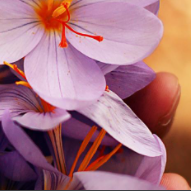





 Take A Deep Breath